How to Choose FRP Grating for Fishing and Shrimp Vessels
Fishing and shrimp vessels operate in demanding marine conditions. Deck flooring and access walkways may be continuously exposed to seawater, salt spray, rain, low temperatures, fish oil and wet working conditions.
Choosing FRP grating for these vessels therefore requires more than selecting a panel size or comparing prices. The resin type, operating temperature, support span, load type, thickness and anti-slip surface must all be considered.
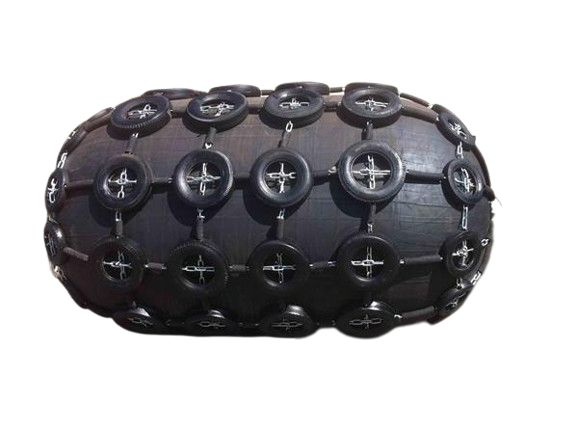
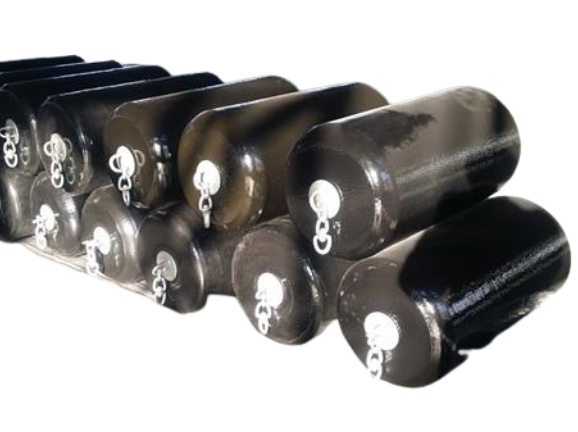
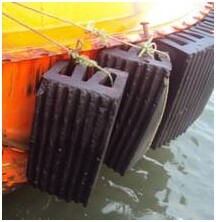
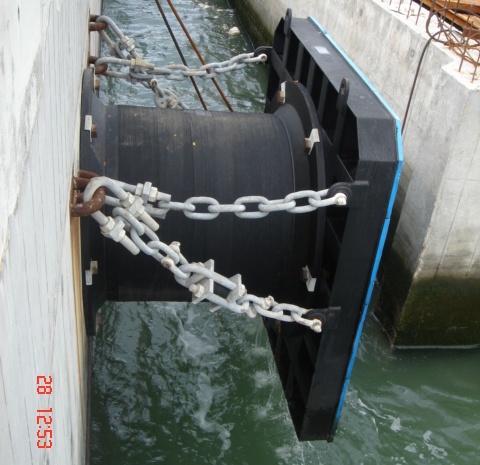
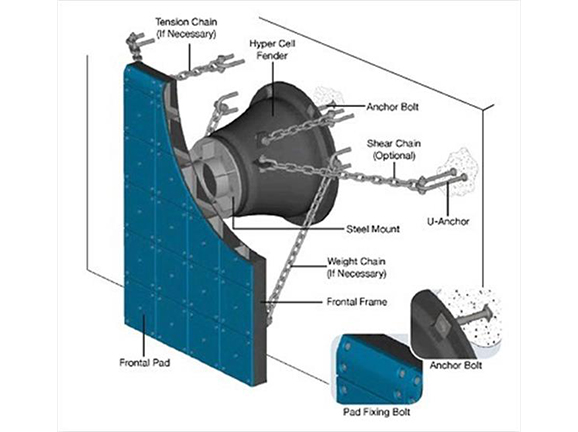
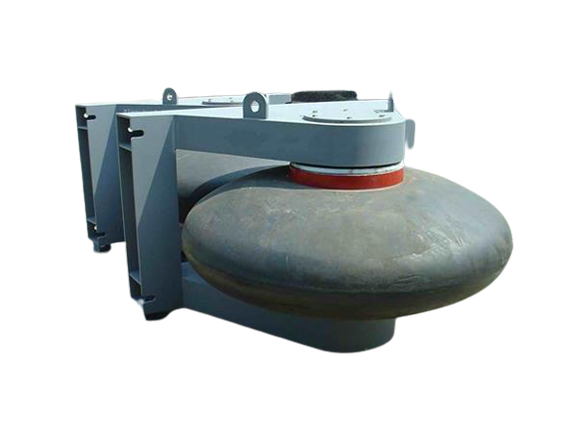
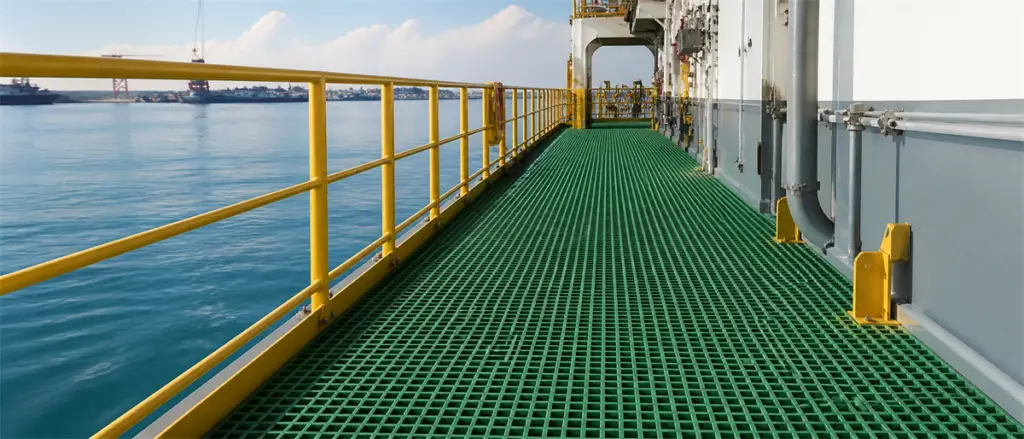
FRP grating is commonly used as part of a vessel’s marine deck and mooring equipment because it combines corrosion resistance, drainage, low weight and anti-slip performance.
This guide explains how to select a suitable FRP grating for fishing vessels, shrimp vessels and other marine working areas.
Why FRP Grating Is Used on Fishing Vessel Decks
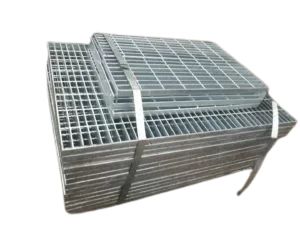
Fishing vessel decks are frequently wet and exposed to saltwater. Steel grating can provide good mechanical strength, but it may require regular surface treatment and maintenance to control corrosion.
FRP grating offers several advantages for marine deck applications.
Resistance to Seawater and Salt Spray
Fiberglass reinforced plastic does not rust like carbon steel. With the correct resin system, it can be used in wet, salty and corrosive marine environments.
Anti-Slip Walking Surface
Fishing and shrimp vessel decks may become slippery due to water, ice, fish oil or organic material.
A grit-top FRP grating provides a rougher walking surface and is therefore commonly selected for working decks, access walkways and maintenance areas.
Good Drainage
The open mesh structure allows water and small debris to pass through the grating instead of remaining on the walking surface.
This helps reduce standing water and makes deck cleaning easier.
Lightweight Handling
FRP grating is lighter than steel grating, making panels easier to move, cut and install during vessel construction, maintenance or replacement work.
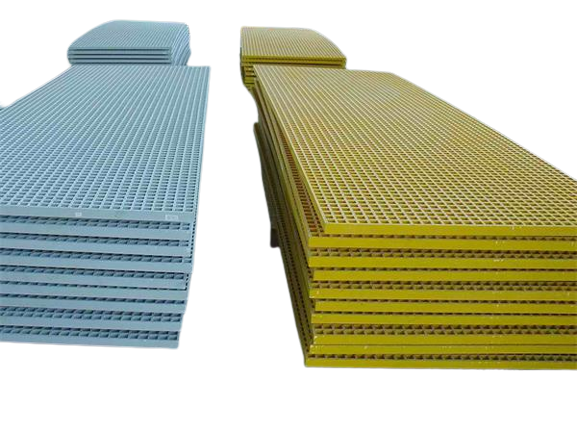
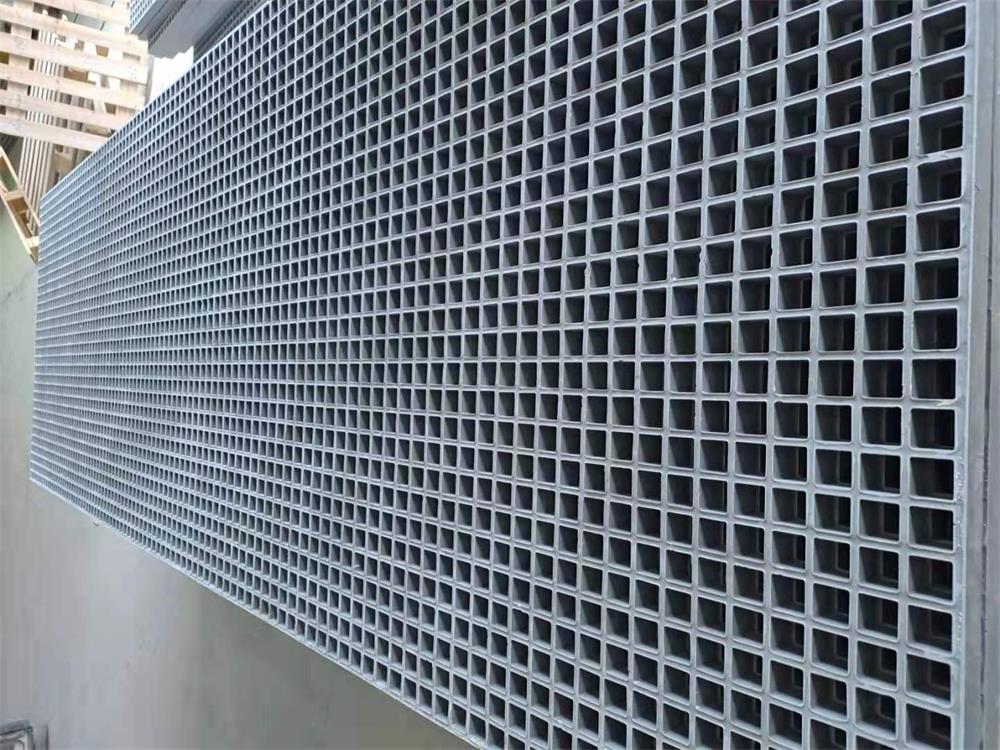
Detailed panel, mesh, color and surface options are available on our GRP and FRP grating product page.
Choosing the Resin Type: OP, ISO or VE
The resin system affects the grating’s corrosion resistance, low-temperature performance, toughness and cost.
Our factory manufactures FRP grating with three principal resin types.
Orthophthalic Polyester Resin — OP
Orthophthalic polyester resin is the standard and most economical option.
Its typical long-term operating temperature range is:
-40°C to +60°COP resin can therefore be used at -30°C. It is suitable for general deck access and pedestrian applications when the surrounding environment and loading conditions are not particularly severe.
It is often selected when:
- Cost is an important consideration;
- The grating is mainly used for pedestrian access;
- Chemical exposure is limited;
- The supporting span is relatively short;
- Loads are moderate.
Isophthalic Polyester Resin — ISO
Isophthalic polyester resin provides better corrosion resistance, seawater resistance and temperature performance than standard OP resin.
Its typical long-term operating temperature range is:
-45°C to +80°CFor many fishing and shrimp vessel projects, ISO resin offers the best balance between performance and cost.
It is commonly recommended when:
- The grating is regularly exposed to seawater and salt spray;
- The vessel operates in cold climates;
- Better long-term corrosion resistance is required;
- The cost difference from OP resin is relatively small;
- The buyer wants a more suitable resin for marine service without selecting the highest-cost option.
Vinyl Ester Resin — VE
Vinyl ester resin offers the highest corrosion resistance and better low-temperature toughness among these three options.
Its typical long-term operating temperature range is:
-50°C to +100°CVE resin is suitable for more demanding marine or chemical environments and for long-term operation in severe cold conditions.
It may be selected when:
- The vessel operates continuously in extremely cold regions;
- Strong chemical or corrosive exposure is present;
- Higher low-temperature toughness is required;
- Long service life is more important than initial cost.
Can OP Resin FRP Grating Be Used at -30°C?
Yes. OP resin FRP grating with a long-term operating range down to -40°C can be used at -30°C.
However, temperature is not the only selection factor.
At low temperatures, the final suitability of a grating also depends on:
- Resin formulation;
- Grating thickness;
- Clear support span;
- Uniform or concentrated loading;
- Frequency of loading;
- Dynamic movement and vibration;
- Exposure to seawater and salt spray.
For normal pedestrian access, OP resin may still meet the application requirement.
Considering long-term marine exposure, ISO resin normally provides a better combination of seawater resistance, temperature performance and cost. For prolonged operation in extremely cold conditions, VE resin offers better low-temperature toughness.
Load Capacity Depends on Support Span and Load Type
It is not accurate to describe an FRP grating with only one fixed maximum load.
Its load performance depends heavily on how the panel is supported and how the load is applied.
The following test data illustrates how clear span and load type affect the deflection of 25 mm FRP grating.
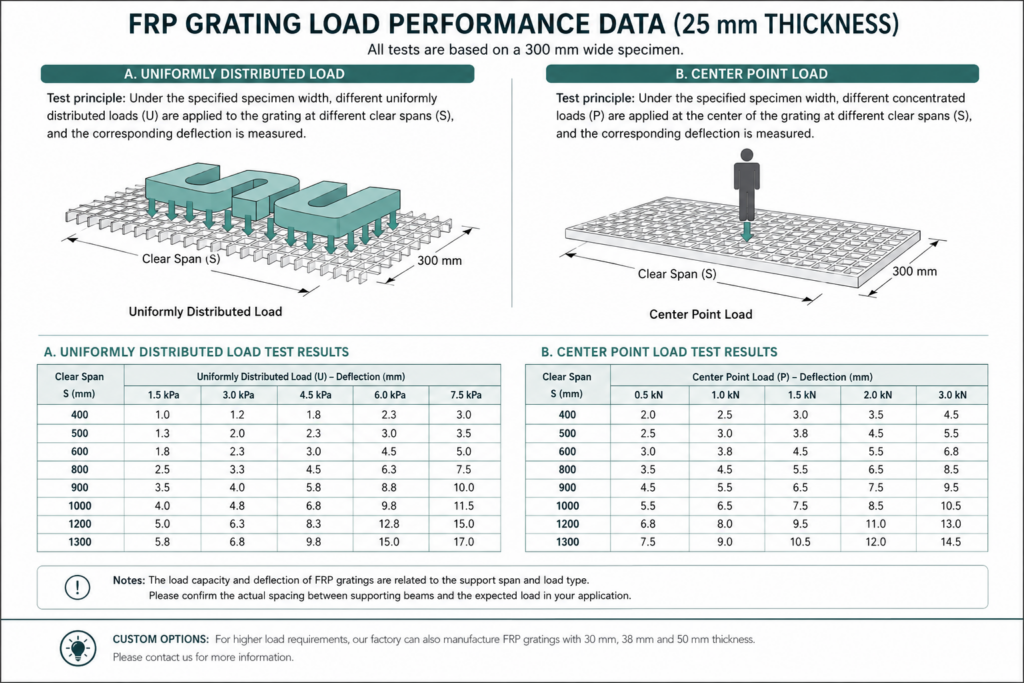
These values are deflection reference data rather than a single fixed maximum load rating. Final selection should be based on the actual support span and expected load.
What Is Clear Span?
Clear span is the unsupported distance between two supporting beams.
It is often shown as:
Clear Span (S)For example, if the clear distance between two supporting beams is 610mm, the clear span is:
S = 610mmUnder the same load, a longer clear span normally results in greater deflection.
This means that the support layout can be just as important as the grating thickness.
Uniformly Distributed Load
A uniformly distributed load is spread over a larger grating area.
Examples may include:
- Several people standing over the deck;
- Fish containers distributed across the working area;
- Stored materials covering a wider section;
- General operational loading across the walkway.
Center Point Load
A center point load is concentrated in a smaller area, usually near the middle of the unsupported span.
Examples may include:
- A person standing in the center of a panel;
- A machine leg;
- A trolley wheel;
- A heavy container corner;
- A piece of deck equipment supported on a small contact area.
A concentrated load generally creates more localized stress and deflection than the same total load distributed over a larger area.
How to Select FRP Grating Thickness
Common FRP grating thicknesses include:
25mm
30mm
38mm
50mm
The final thickness should be selected according to the clear span, expected load and acceptable deflection.
25mm FRP Grating
A 25mm panel may be suitable for:
- Pedestrian access;
- Light-duty deck walkways;
- Short support spans;
- Inspection platforms;
- Areas without heavy equipment loading.
It should not automatically be assumed suitable for every vessel deck simply because it is strong enough for people to walk on.
30mm FRP Grating
A 30mm panel provides increased stiffness and may be considered when the 25mm panel does not provide a sufficient load margin.
It can be suitable for:
- Regular vessel deck access;
- Moderate loads;
- Fish boxes and working materials;
- Slightly wider support spacing.
38mm FRP Grating
A 38mm panel is commonly selected for stronger working platforms and heavier-duty access areas.
It may be appropriate where:
- Heavier containers are used;
- Workers frequently move equipment;
- The support span is larger;
- Lower deflection is required;
- The deck has more demanding daily operations.
50mm FRP Grating
A 50mm panel is generally considered for heavy-duty areas, wider spans or applications requiring significantly higher stiffness and load capacity.
The thickest panel is not automatically the best choice. It may add unnecessary cost and weight if a thinner grating already meets the load and span requirements.
Recommended Selection for Fishing and Shrimp Vessels
A practical starting point for many fishing vessel projects is:
| Application | Suggested Starting Point |
|---|---|
| Pedestrian access with short support span | 25mm OP or ISO grating |
| Wet vessel deck with regular seawater exposure | ISO resin grating |
| Fish boxes and moderate working loads | 30mm or 38mm ISO grating |
| Larger span or heavier equipment load | 38mm or 50mm grating |
| Long-term extremely cold operation | VE resin grating |
| Severe corrosion or chemical exposure | VE resin grating |
| Slippery deck area | Grit-top anti-slip surface |
These are preliminary selection suggestions rather than final engineering load ratings.
The actual panel should be confirmed using the support spacing, expected load type and required safety margin.
Previous Fiberglass Grating Project for Argentina
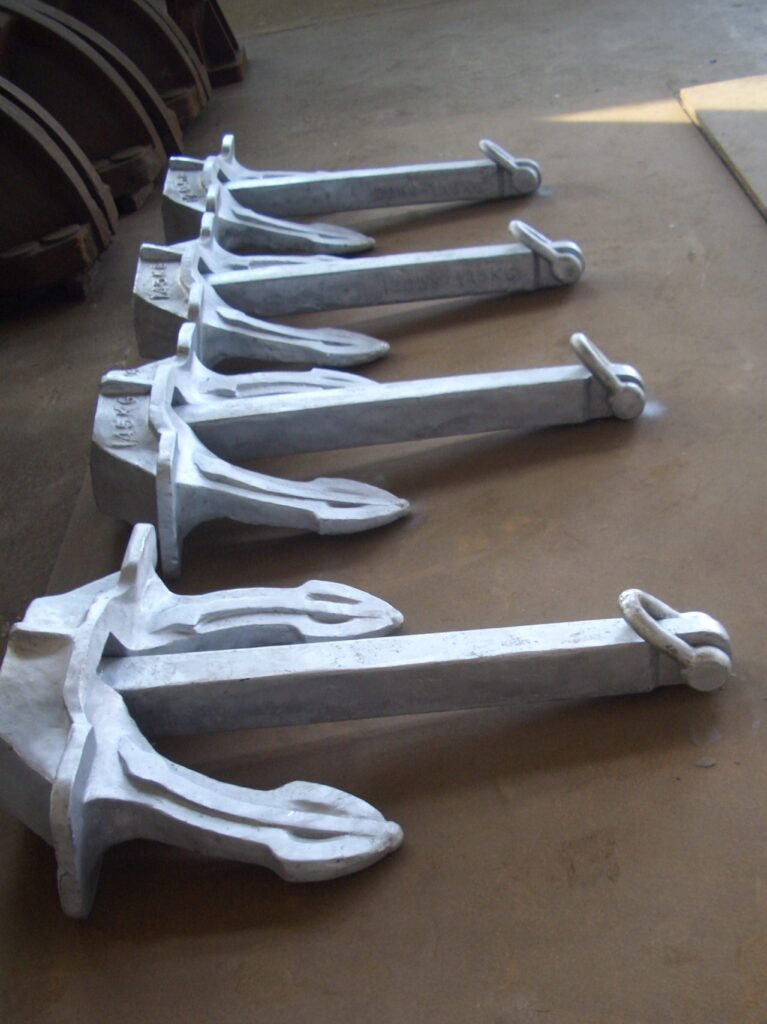
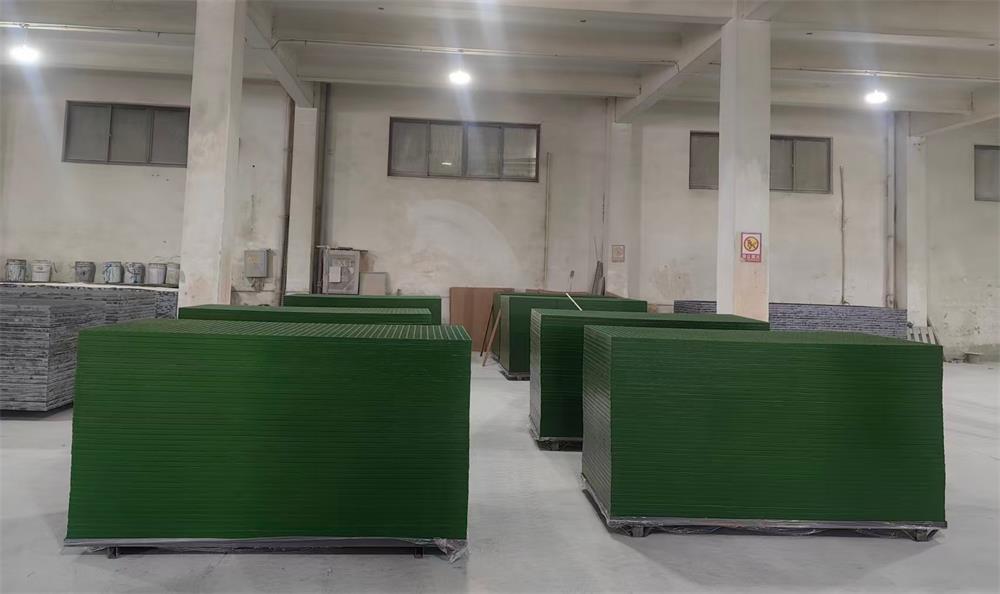
We previously manufactured green fiberglass grating together with anchor chains and related marine products for a customer in Argentina.
The grating was produced with:
- Green color;
- Grit-top anti-slip surface;
- Open mesh construction;
- Panels manufactured for marine-related use;
- Customized quantities and shipment arrangements.
The customer has continued purchasing these products over a number of years.
You can view the previous fiberglass grating project supplied to Argentina for further reference.
Long-term repeat orders are useful, but each new project should still be reviewed according to its actual operating temperature, resin requirement and loading conditions.
Information Required Before Ordering
To recommend a suitable FRP grating, please provide the following information:
- Installation location on the vessel;
- Panel size;
- Required thickness;
- Mesh size;
- Color;
- Surface type;
- Minimum and maximum operating temperature;
- Distance between supporting beams;
- Uniformly distributed load requirement;
- Concentrated or point load requirement;
- Whether the grating supports people, containers or equipment;
- Required quantity;
- Destination port.
When the exact load is not known, photos, drawings and dimensions of the supporting structure can help our technical team review the application.
Conclusion
FRP grating for fishing and shrimp vessels should be selected according to the complete working environment rather than price or thickness alone.
OP resin can operate at -30°C and remains an economical option for general applications. ISO resin is usually a better choice for regular exposure to seawater and salt spray, while VE resin is suitable for severe corrosion and long-term extremely cold conditions.
The grating thickness should then be confirmed according to the clear span, load type and acceptable deflection.
For a more accurate recommendation, send us your vessel deck layout, support spacing, expected load, temperature range and required panel dimensions.
Frequently Asked Questions About FRP Grating for Fishing Vessels
Is FRP grating suitable for fishing and shrimp vessel decks?
Yes. FRP grating is suitable for fishing vessel decks, shrimp vessel decks, access walkways and wet working areas because it is corrosion resistant, lightweight and available with a grit-top anti-slip surface. The resin type and thickness should be selected according to seawater exposure, operating temperature, support span and expected load.
Can OP resin FRP grating be used at -30°C?
Yes. Orthophthalic Polyester Resin (OP) grating has a typical long-term operating temperature range of -40°C to +60°C, so it can be used at -30°C. However, for continuous operation in extremely cold marine environments, ISO or VE resin may offer better corrosion resistance and low-temperature performance.
Which FRP grating resin is recommended for fishing vessels?
Isophthalic Polyester Resin (ISO) is normally recommended for fishing and shrimp vessels because it offers better resistance to seawater, salt spray and corrosion than standard OP resin. It also provides a good balance between performance and cost. Vinyl Ester Resin (VE) may be selected for more severe corrosion or long-term extremely cold conditions.
How do I choose the correct FRP grating thickness?
The thickness should be selected according to the clear span between supporting beams, the expected load type and the acceptable deflection. A 25 mm grating may be suitable for light pedestrian access and short spans. For higher loads or wider support spacing, 30 mm, 38 mm or 50 mm gratings can be considered.
What is the difference between uniform load and point load?
A uniformly distributed load is spread over a larger area of the grating, such as several people or containers distributed across a deck. A point load is concentrated in a smaller area, such as a machine leg, trolley wheel or heavy container corner. Point loads usually create greater localized stress and deflection.
What information is needed to confirm the FRP grating load capacity?
The required information includes the clear distance between supporting beams, whether the load is uniformly distributed or concentrated, the approximate maximum load, the installation location and the intended use. Photos or drawings of the supporting structure are also helpful.