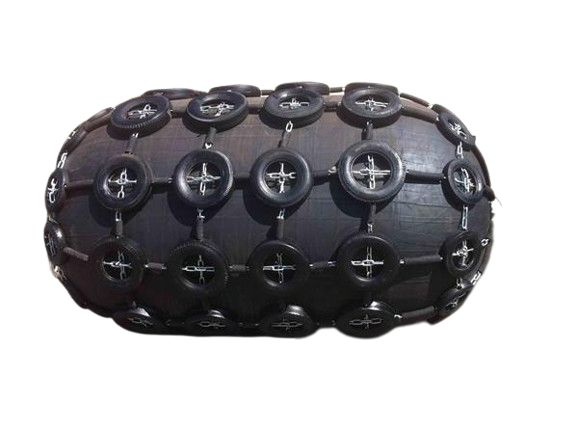
When discussing Marine Fender Systems, attention is often focused on high-performance fender designs used at commercial ports and terminals.
However, tugboats operate under very different conditions.
Unlike vessels that spend most of their time berthed alongside a quay, tugboats frequently make direct contact with other vessels during towing, escorting, and berthing operations. This creates a unique set of protection requirements that often favor practical and durable fender solutions.
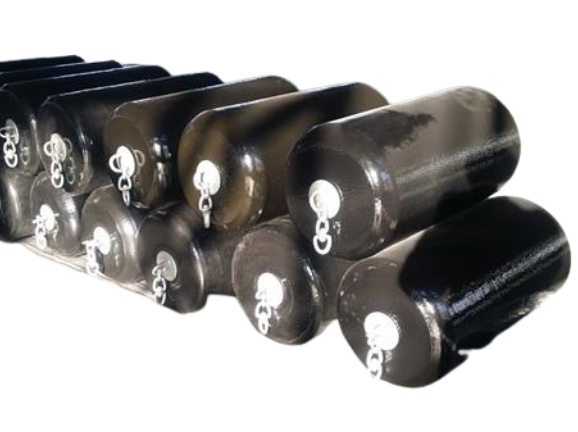
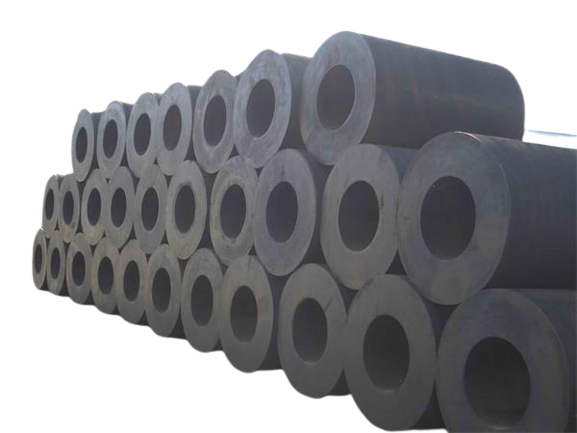
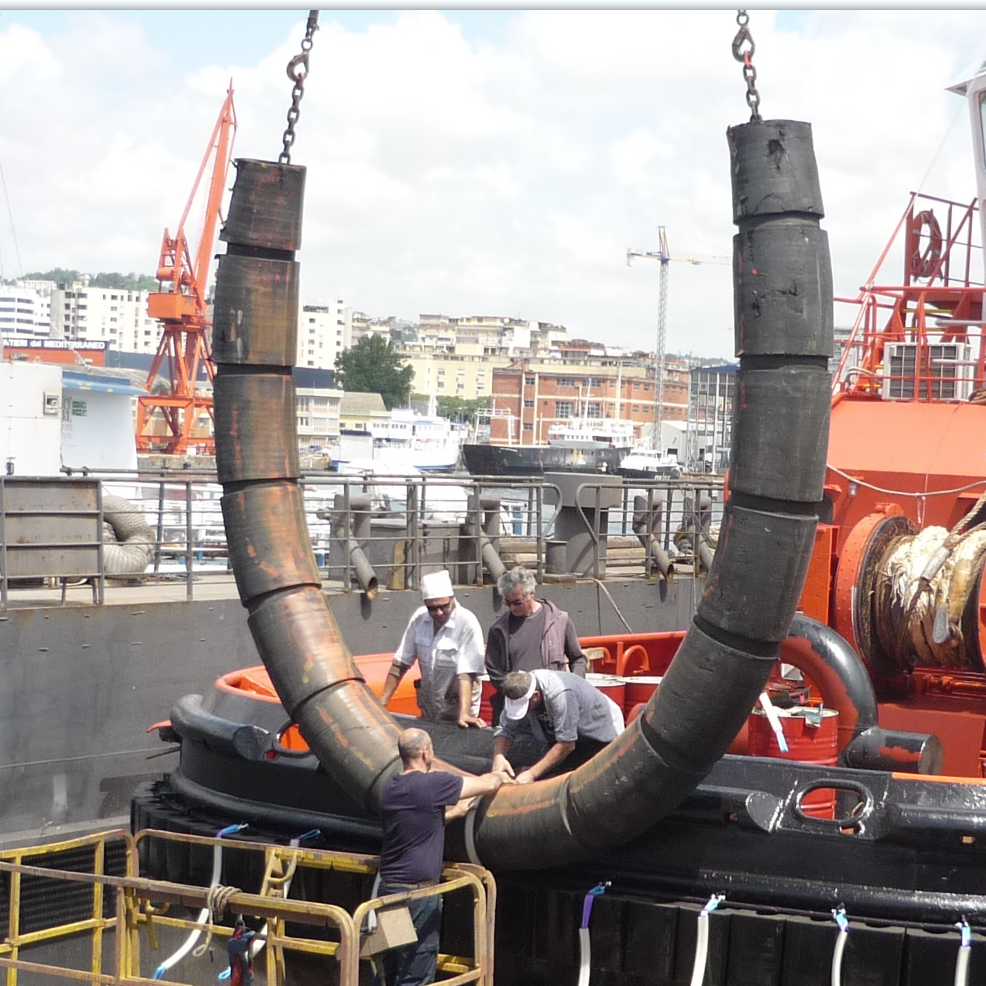
A recent CY600 Cylindrical Rubber Fender Project for a tugboat operator in Indonesia demonstrates why cylindrical rubber fenders continue to be widely used in modern Tugboat Fendering Solutions.
Tugboats Require Different Protection Than Fixed Berths
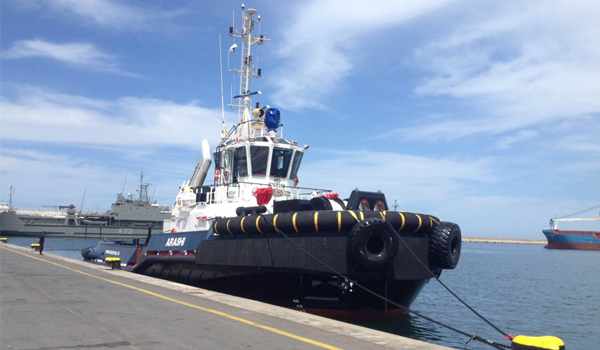
Fender systems installed on fixed berths are primarily designed to absorb berthing energy and protect port infrastructure.
Tugboat fenders serve a different purpose.
During daily operations, tugboats may repeatedly contact vessel hulls from different angles and at different positions. Rather than protecting a fixed structure, the fender system must protect the tugboat itself while maintaining reliable contact with other vessels.
As a result, durability, flexibility, and contact coverage often become more important than maximum energy absorption.
Unlike many Dock & Port Fender Systems, tugboat fenders must perform reliably during continuous vessel-to-vessel operations.
Continuous Contact Protection Is Important
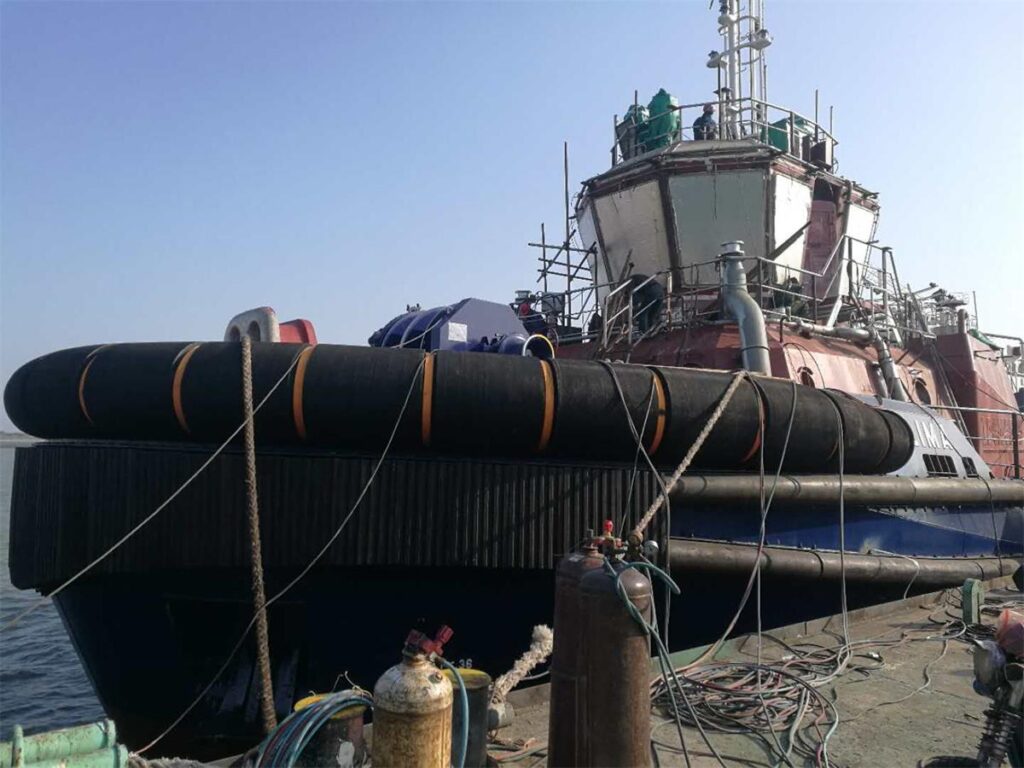
One reason Cylindrical Rubber Fenders remain popular on tugboats is their ability to provide continuous contact protection.
When installed along the bow or other working areas of a vessel, cylindrical fenders create a consistent protective surface that can accommodate varying contact points during operations.
This is particularly useful for tugboats, where vessel-to-vessel contact may occur repeatedly throughout the day.
The simple cylindrical profile also helps distribute contact forces while reducing concentrated wear on specific areas of the fender system.
Simplicity Can Be an Advantage
Not every marine application requires a complex fender arrangement.
For many tugboat operators, practical considerations such as:
- Durability
- Ease of installation
- Ease of replacement
- Maintenance efficiency
- Long-term operating cost
play an important role in equipment selection.
Compared with more specialized fender systems, cylindrical rubber fenders provide a straightforward solution that is easy to install, inspect, and maintain throughout their service life.
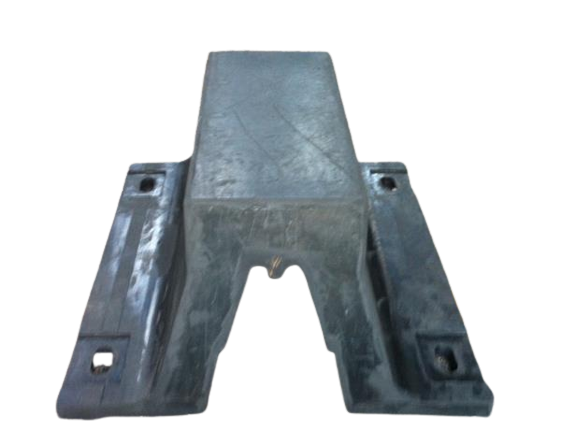
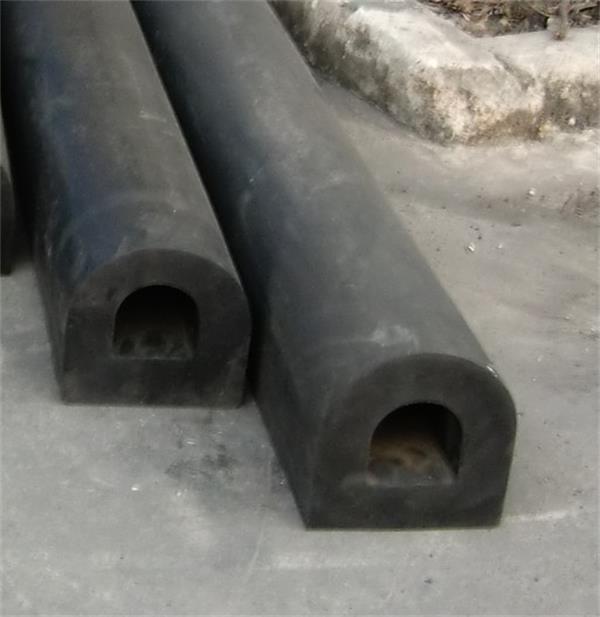
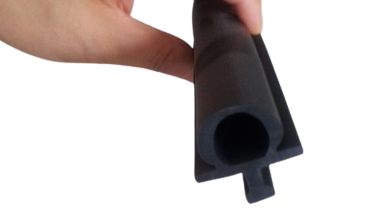
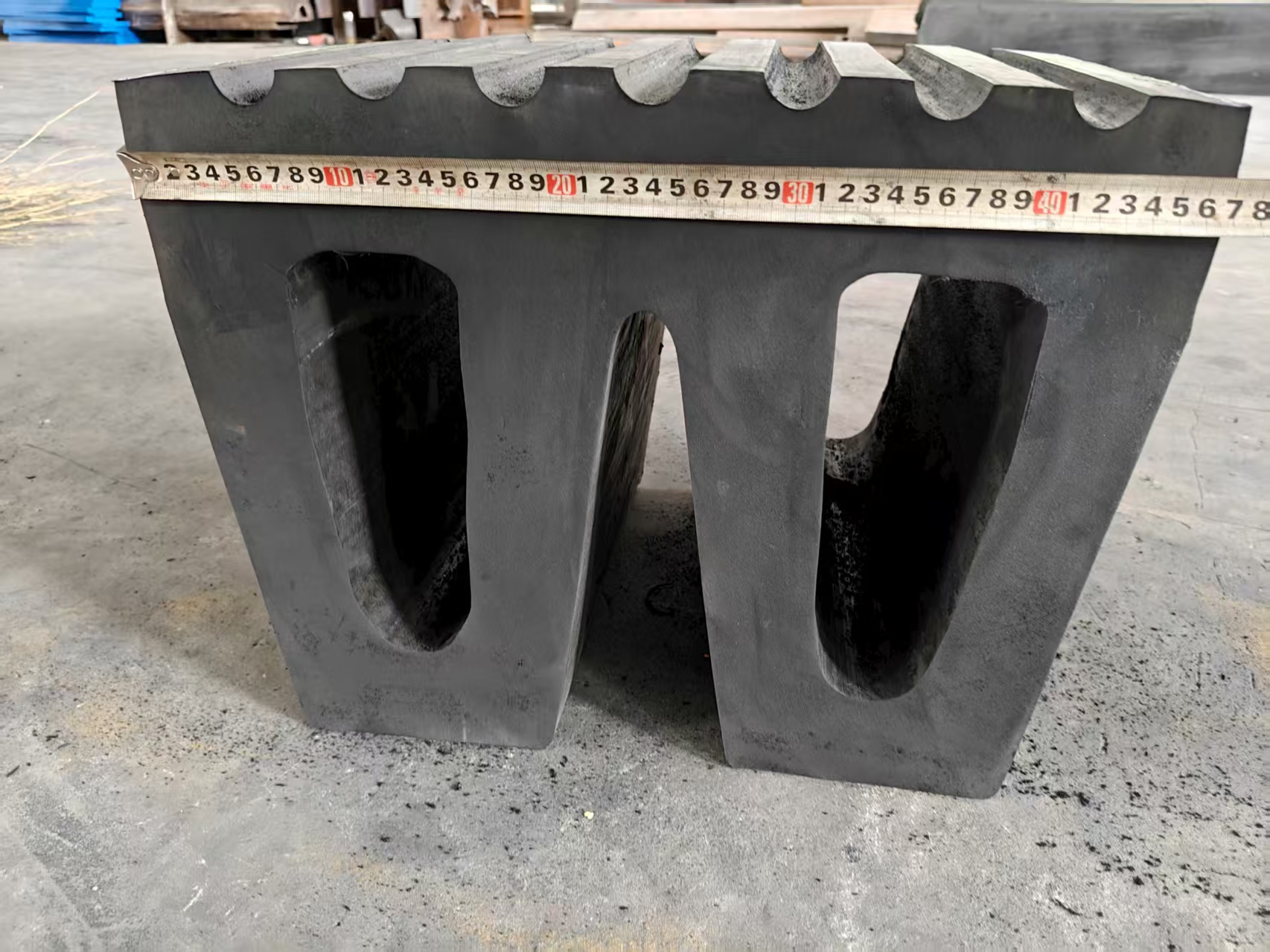
Other tugboat protection options, including W Fenders and D Rubber Fenders, may also be selected depending on the vessel design and operating requirements.
Different Tugboats May Require Different Fender Configurations
Although cylindrical rubber fenders are based on standard profiles, project requirements often vary.
Factors such as vessel size, bow geometry, operating conditions, and protection requirements can influence the final fender configuration.
In many cases, different fender lengths are selected to provide protection for specific areas of the vessel while maintaining installation flexibility.
As with many marine equipment projects, engineering drawings are typically reviewed before production to ensure compatibility with the vessel design and installation arrangement.
An Indonesian Tugboat Project Example
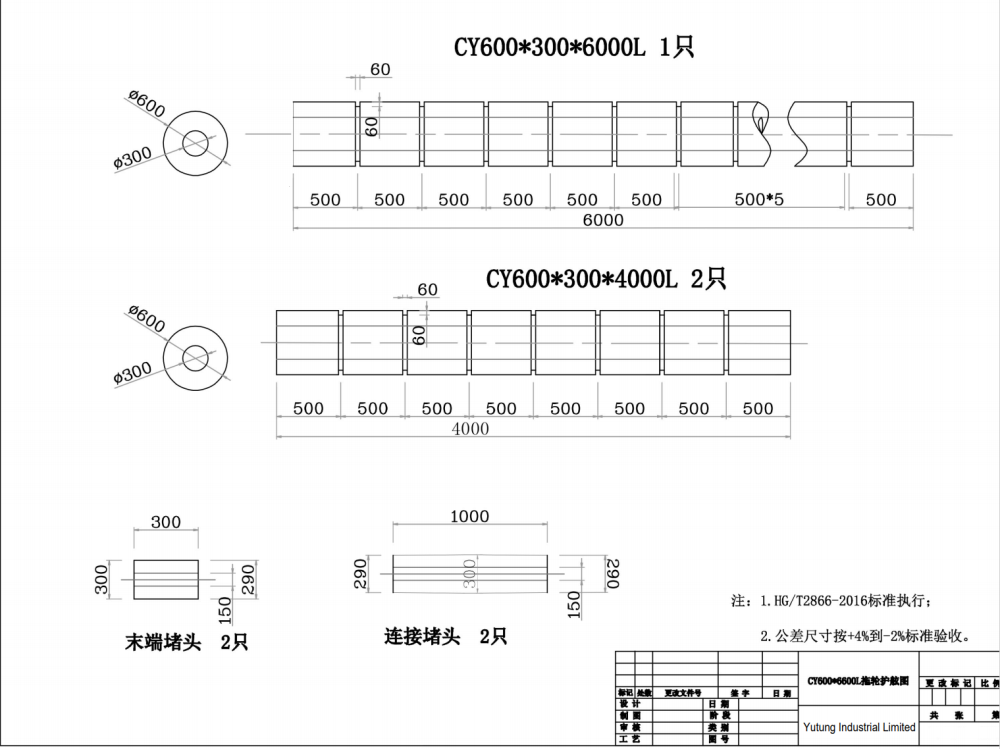
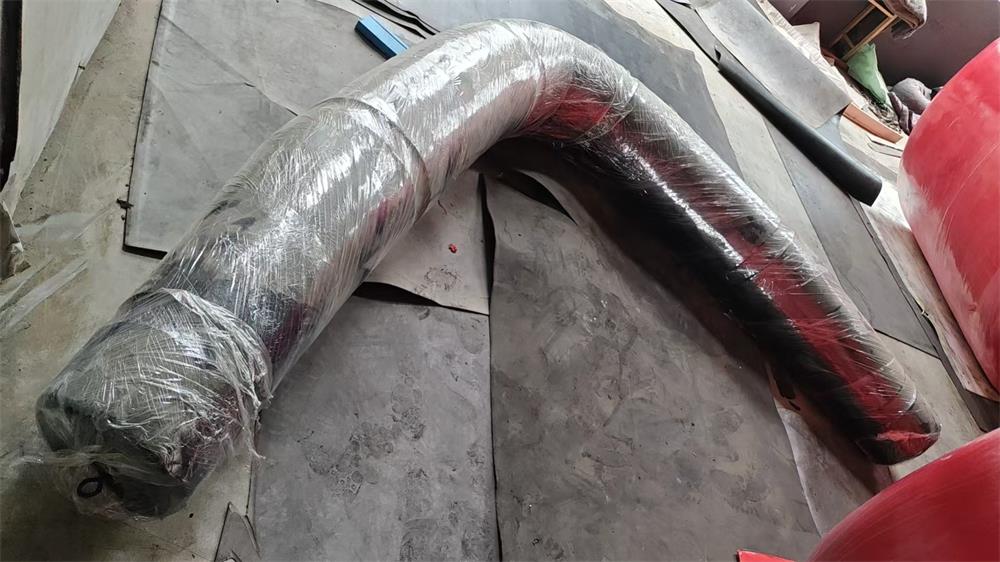
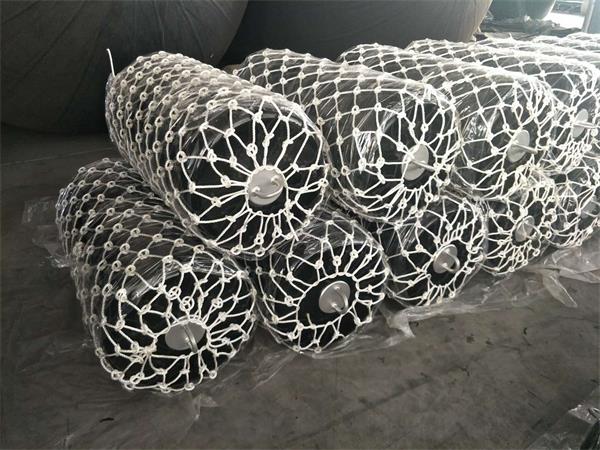
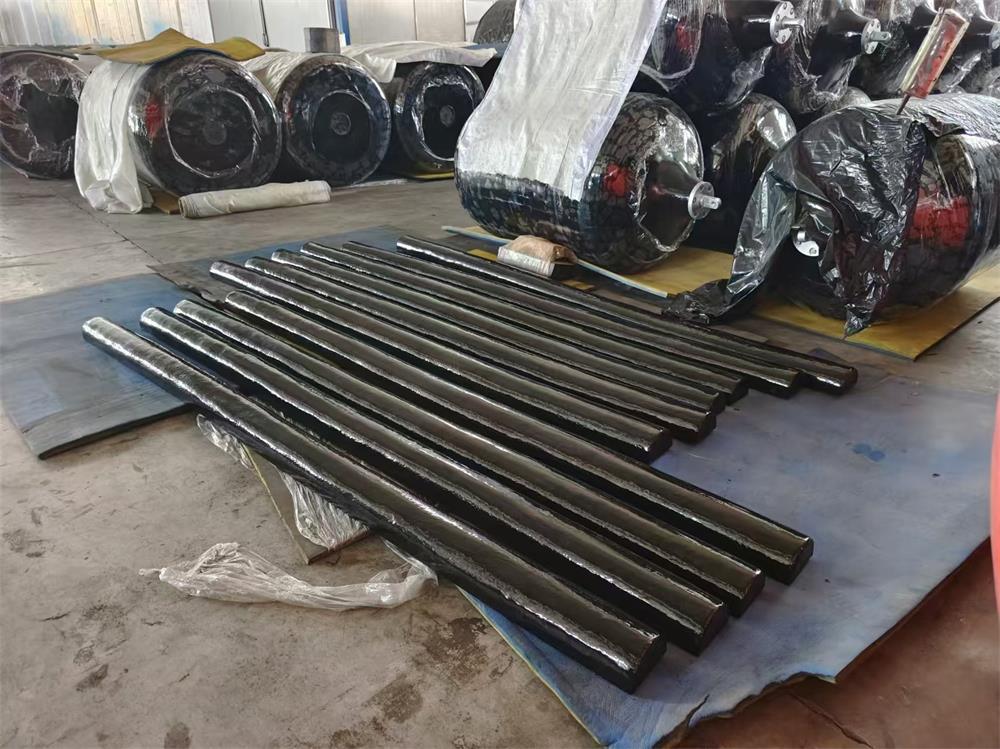
YT Marine recently supplied CY600 cylindrical rubber fenders for an Indonesian tugboat project involving two vessels.
The project included cylindrical fenders in both 4-meter and 6-meter lengths to suit the protection requirements of different areas of the tugboats.
Before production began, the installation details and insert arrangements were reviewed according to the approved drawings to ensure compatibility with the vessel design.
By confirming these requirements in advance, the project was able to proceed efficiently while reducing the likelihood of modification during installation.

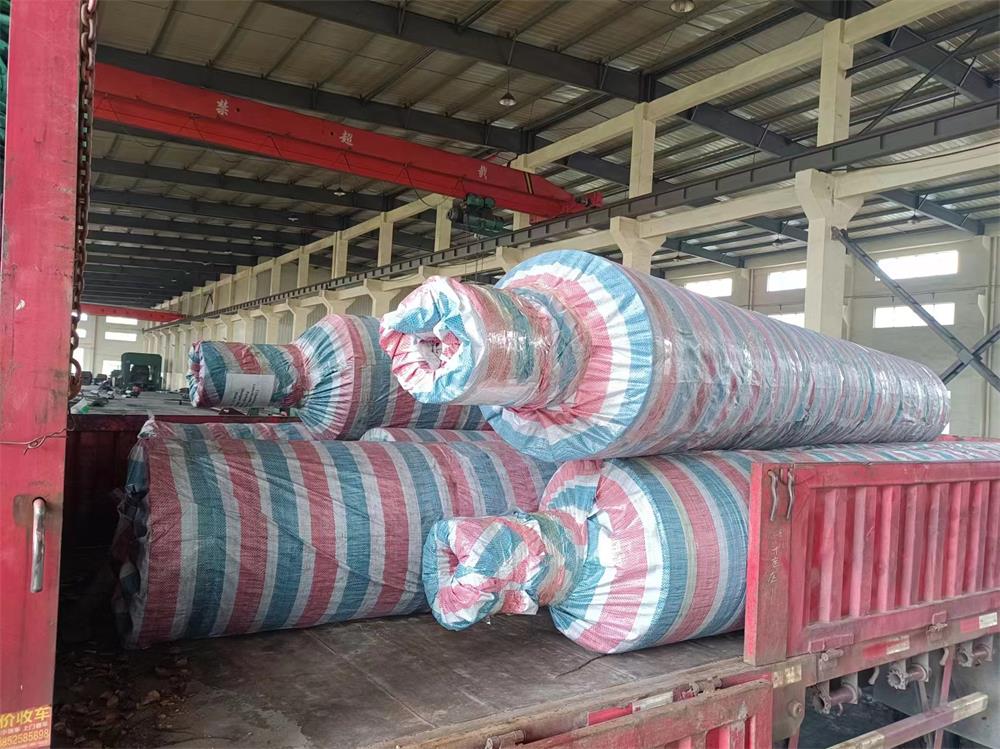
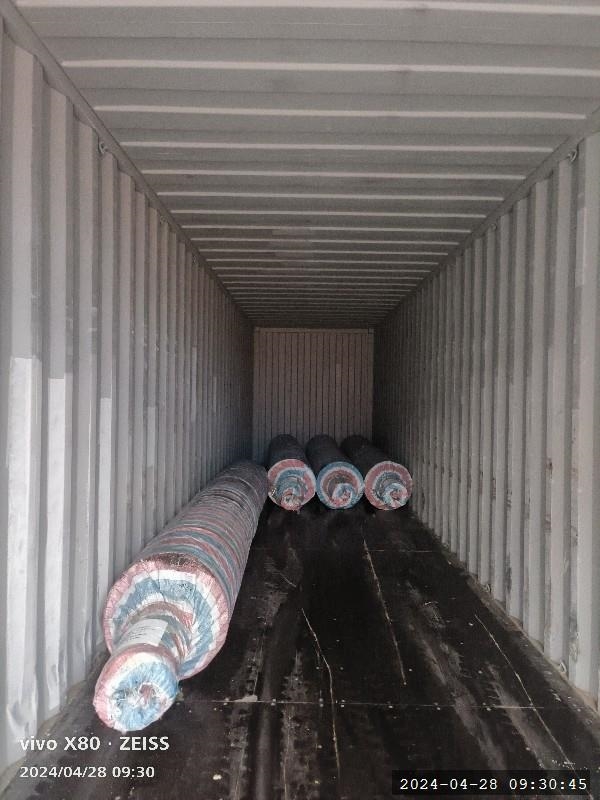
You can read the full CY600 Cylindrical Rubber Fender Project Case Study here.
Conclusion
Although many advanced fender systems are available today, cylindrical rubber fenders remain a practical solution for tugboat applications.
Their ability to provide continuous contact protection, accommodate different vessel configurations, and support straightforward maintenance makes them well suited to the demanding operating environment of modern tugboats.
For many operators, simplicity, durability, and reliability remain just as important as performance specifications when selecting a Tugboat Fendering Solution.