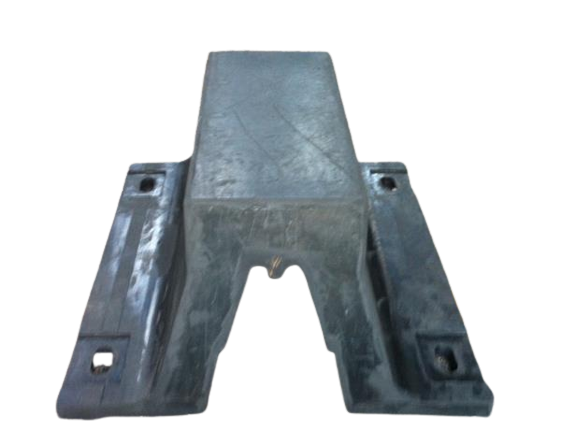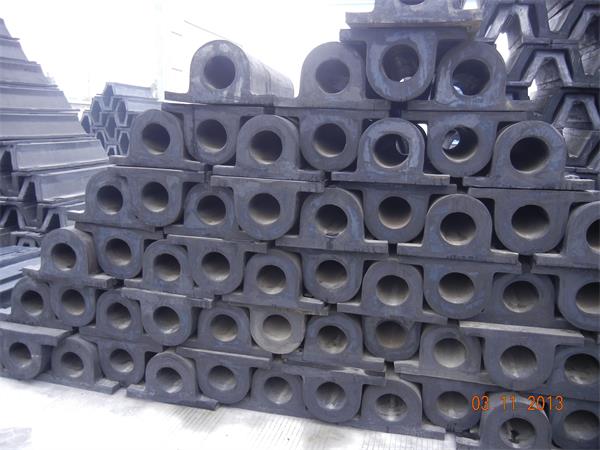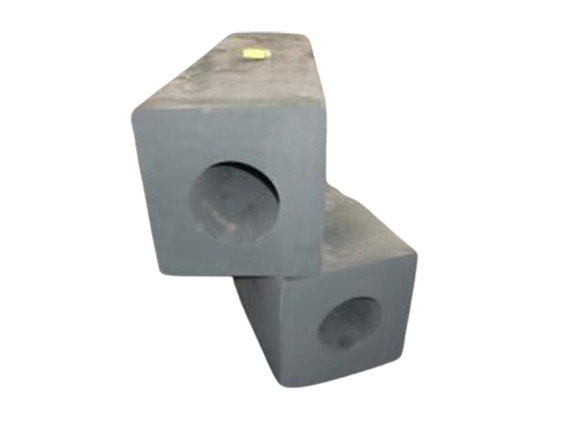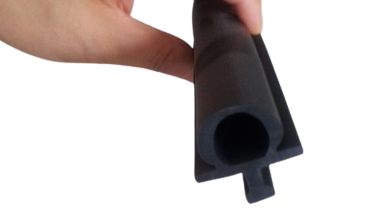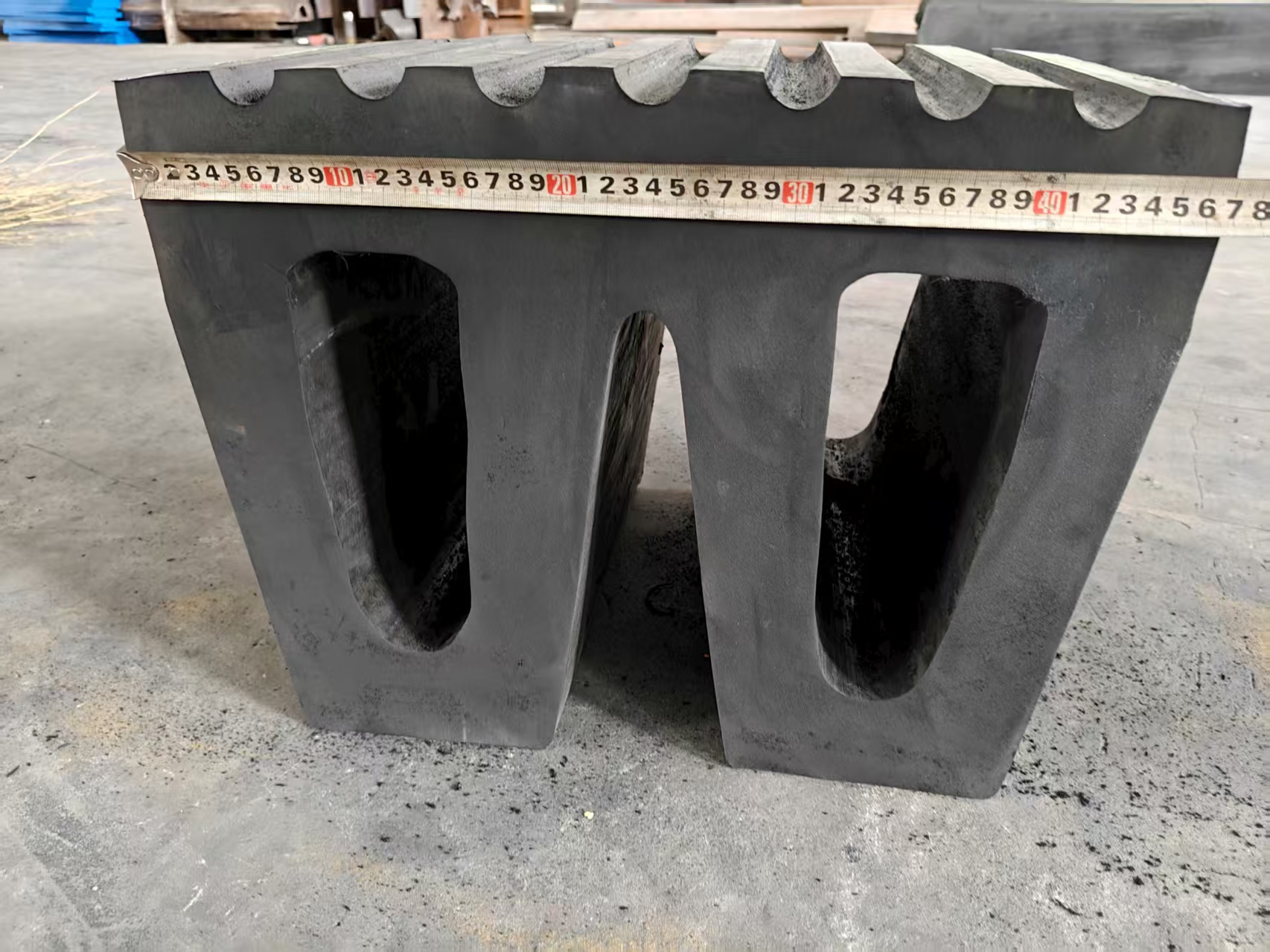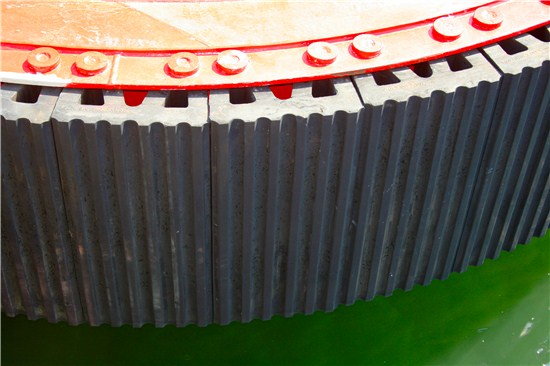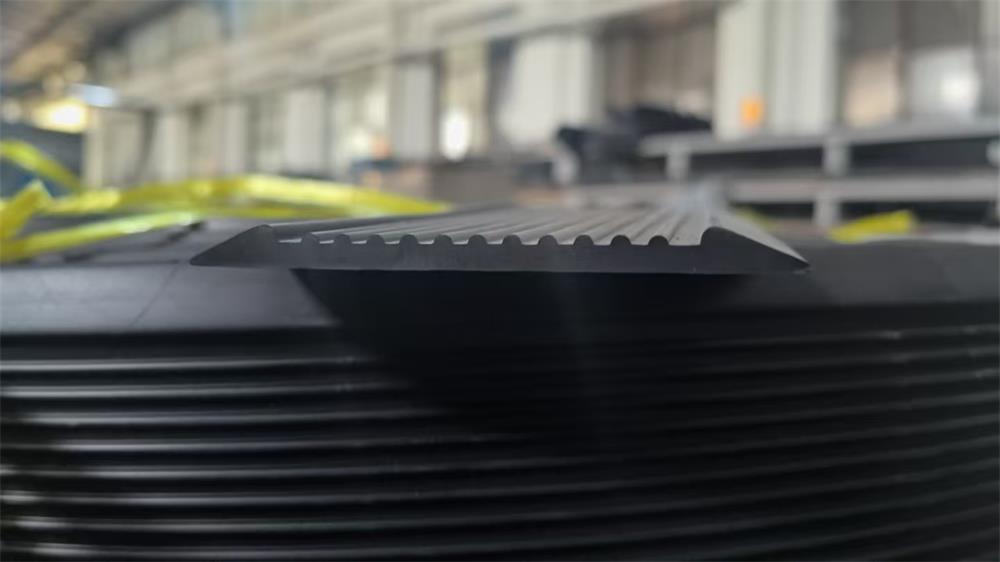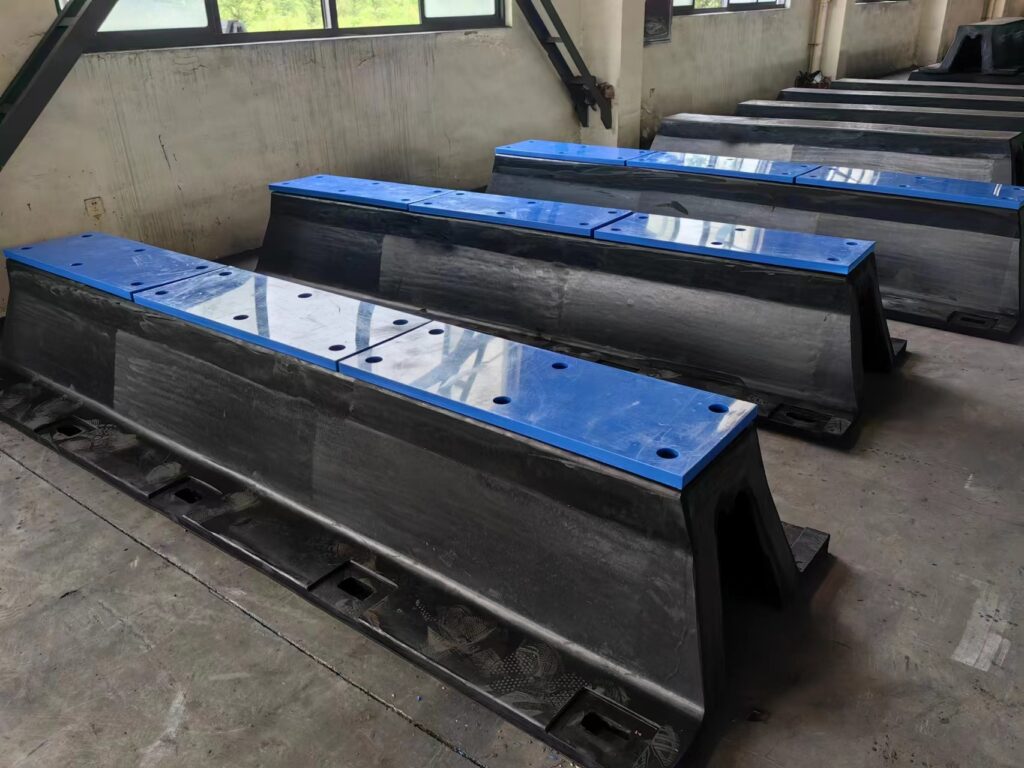
Many buyers assume that an arch fender consists solely of a rubber body. However, some projects specify UHMW-PE face pads to provide additional protection for vessels and improve durability under frequent berthing conditions.
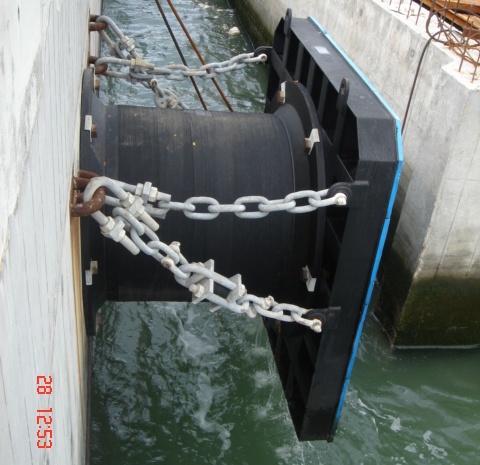
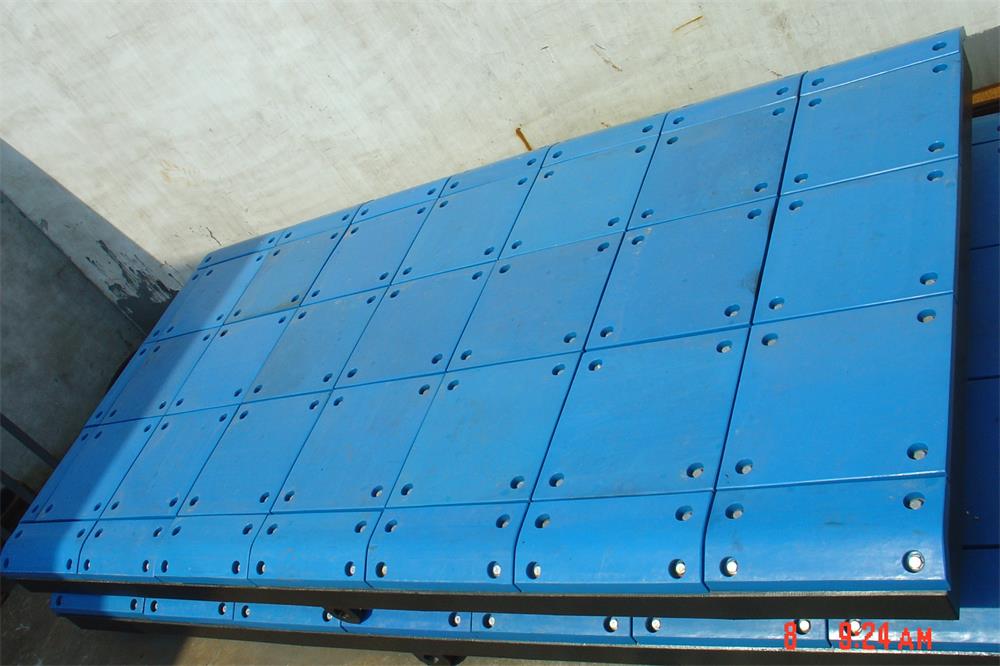
A recent project for a client in Indonesia involving 3 pcs SA-B500 × 3000 mm Type B Arch Rubber Fenders with blue UHMW-PE face pads demonstrates why this additional component is sometimes selected.
Not Every Arch Fender Needs a Face Pad
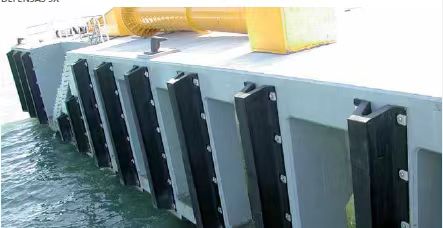
Arch fenders are widely used for small ports, industrial berths, and service docks because of their durability and simple installation. In many standard berthing scenarios, the rubber surface alone is sufficient for vessel protection.
Face pads are typically considered only when operational requirements include:
- Frequent berthing operations
- Repeated contact with vessel hulls
- Extended service life expectations
- The need to reduce friction or hull marking
Understanding when and why face pads are added helps operators select a solution that matches actual berth conditions without unnecessary modifications.
Functions of UHMW-PE Face Pads
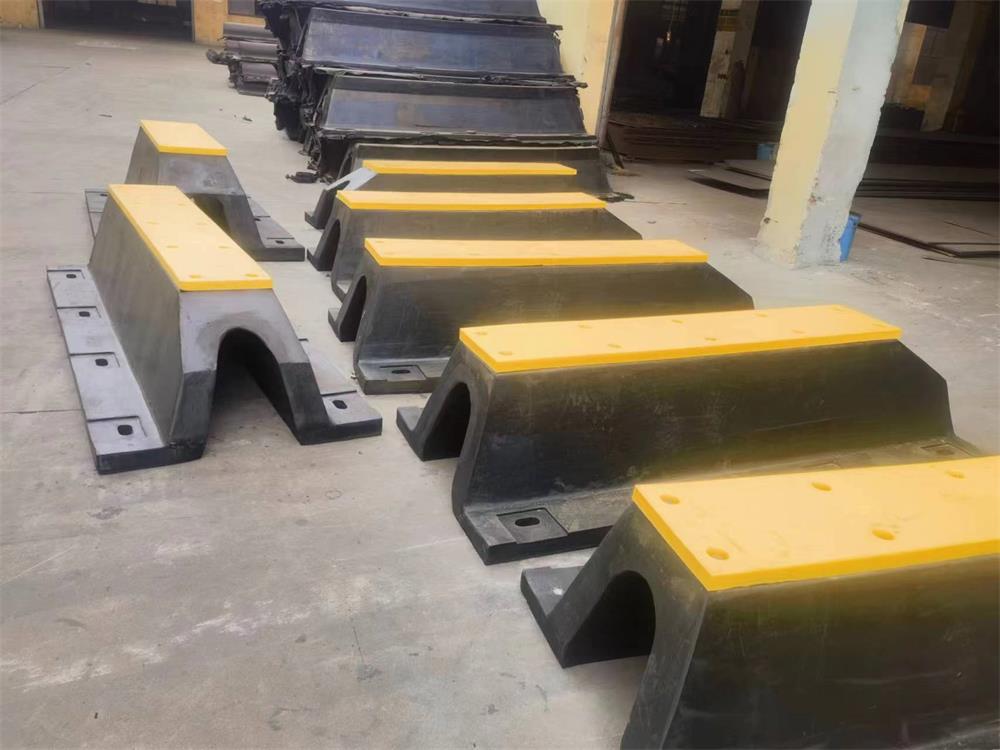
1. Reduce Friction
Vessels may move slightly during berthing due to tide, waves, or loading variations. A UHMW-PE pad reduces sliding friction between the vessel hull and fender surface, helping prevent abrasion on both surfaces.
2. Minimize Rubber Wear
Frequent contact can gradually wear the rubber body of a fender. Installing a UHMW-PE pad protects the fender itself, extending service life and reducing maintenance frequency.
3. Protect Vessel Hull Surfaces
Many operators prefer lower-friction contact surfaces to reduce marking or wear on painted or coated hulls. UHMW-PE face pads provide a controlled interface without significantly affecting energy absorption.
When Are Face Pads Usually Considered?
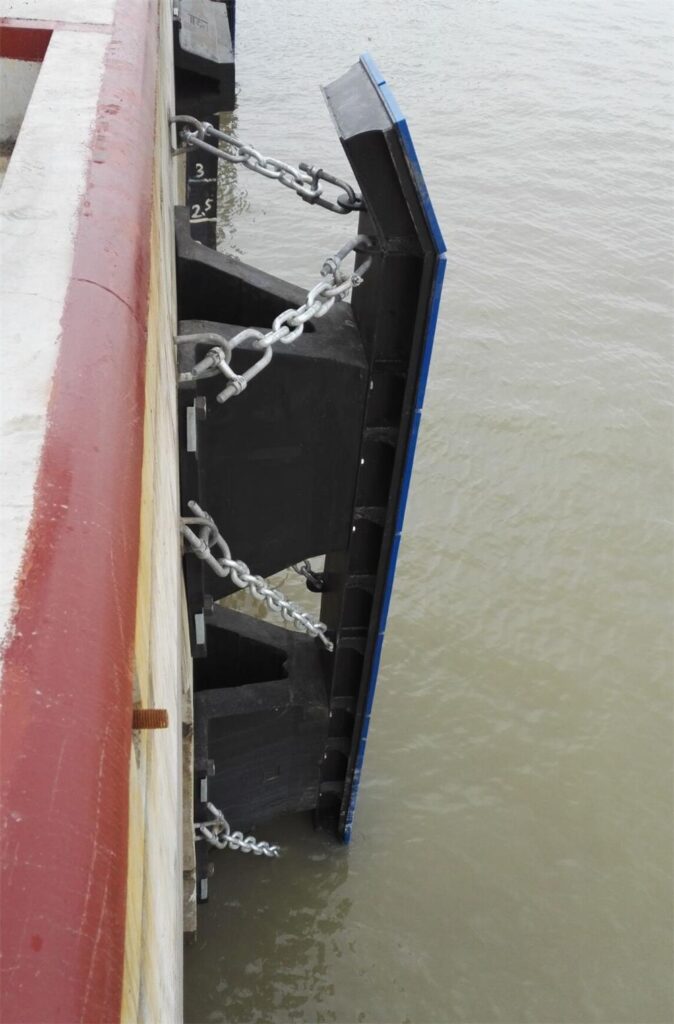
Face pads are generally added in situations where operational and durability considerations justify them:
- High-frequency berthing schedules
- Larger contact areas along the fender profile
- Projects requiring long-term maintenance minimization
- Facilities aiming to reduce hull friction or coating wear
By understanding these factors, operators can determine if face pads are necessary for their arch fender project.
An Indonesian Arch Fender Project Example

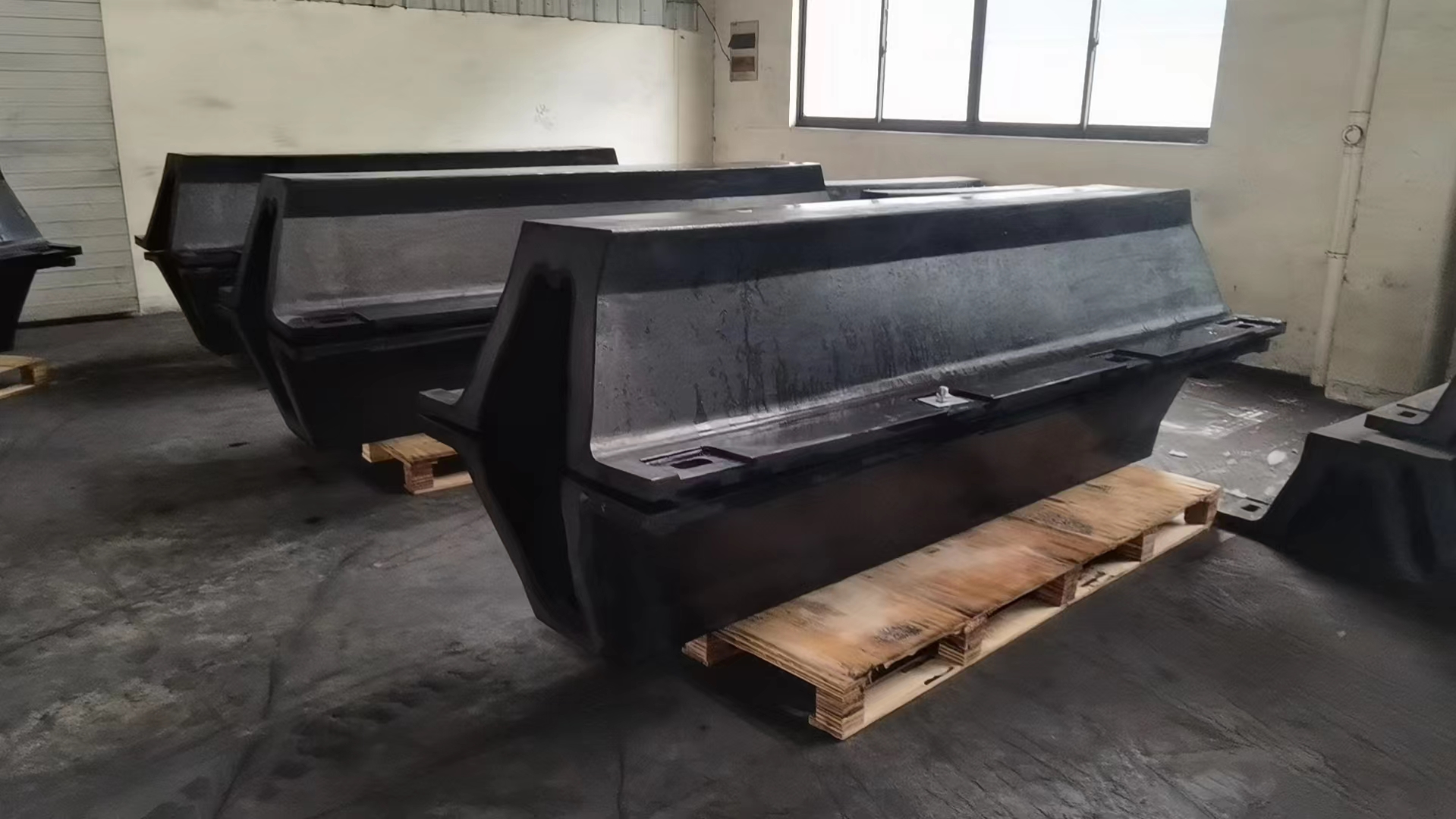
A recent project for a client in Indonesia involved the supply of 3 pcs SA-B500 × 3000 mm Type B Arch Rubber Fenders with blue UHMW-PE face pads.
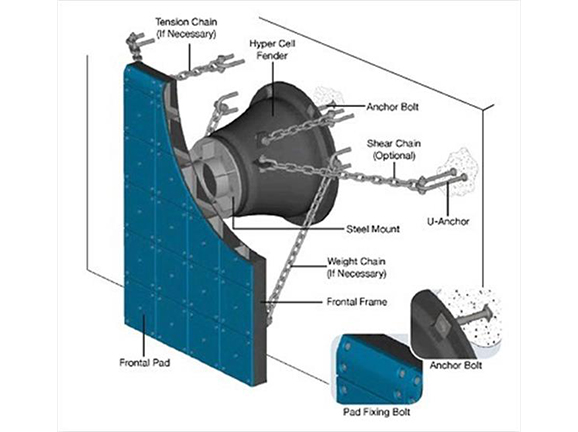
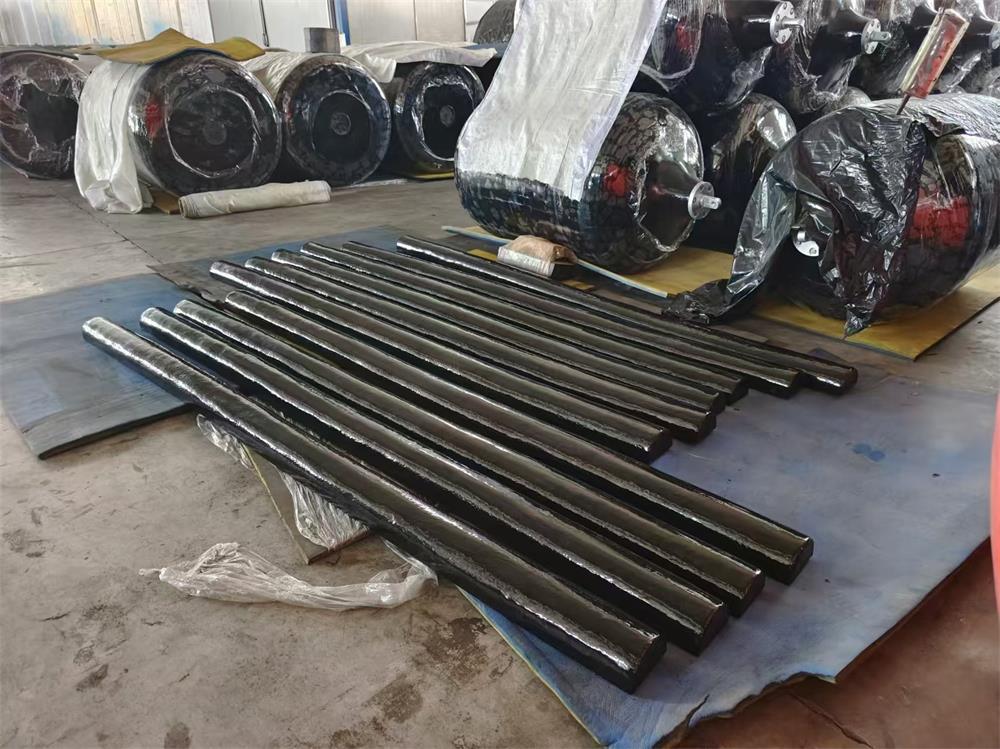
Unlike standard arch fender configurations, this project required an additional low-friction contact surface. The UHMW-PE face pads were specified together with the rubber fenders to help improve durability and reduce direct wear between the vessel hull and the fender surface during repeated berthing operations.
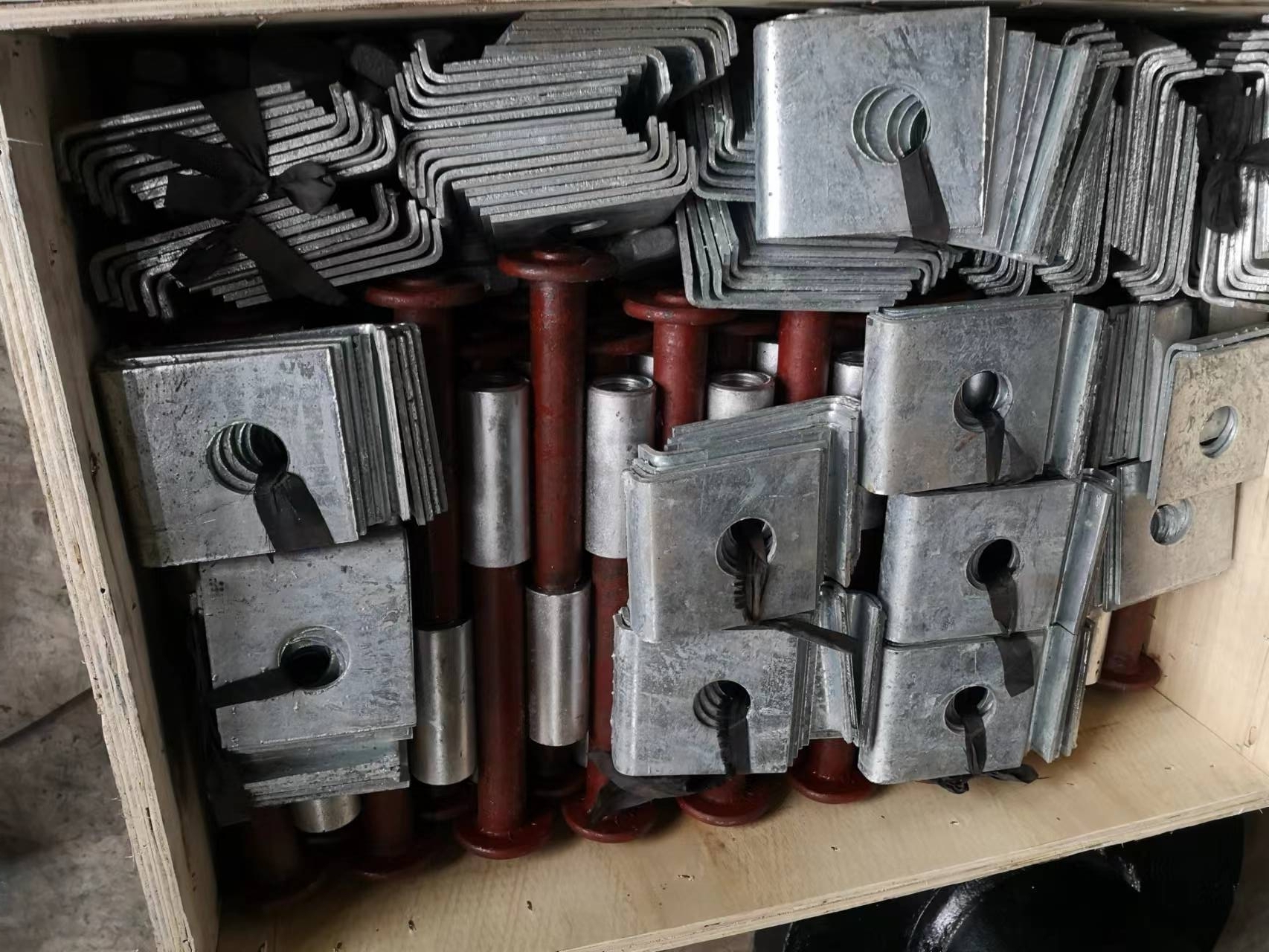
To support installation, each fender was manufactured with 10 anchor holes, and YT Marine supplied a total of 30 sets of M42 SS304 stainless steel anchor bolts according to the approved installation requirements.
Before production began, the engineering drawings were reviewed and confirmed with the client. Fender dimensions, anchor hole locations, UHMW-PE pad configuration, and mounting details were all verified to ensure compatibility with the berth structure.
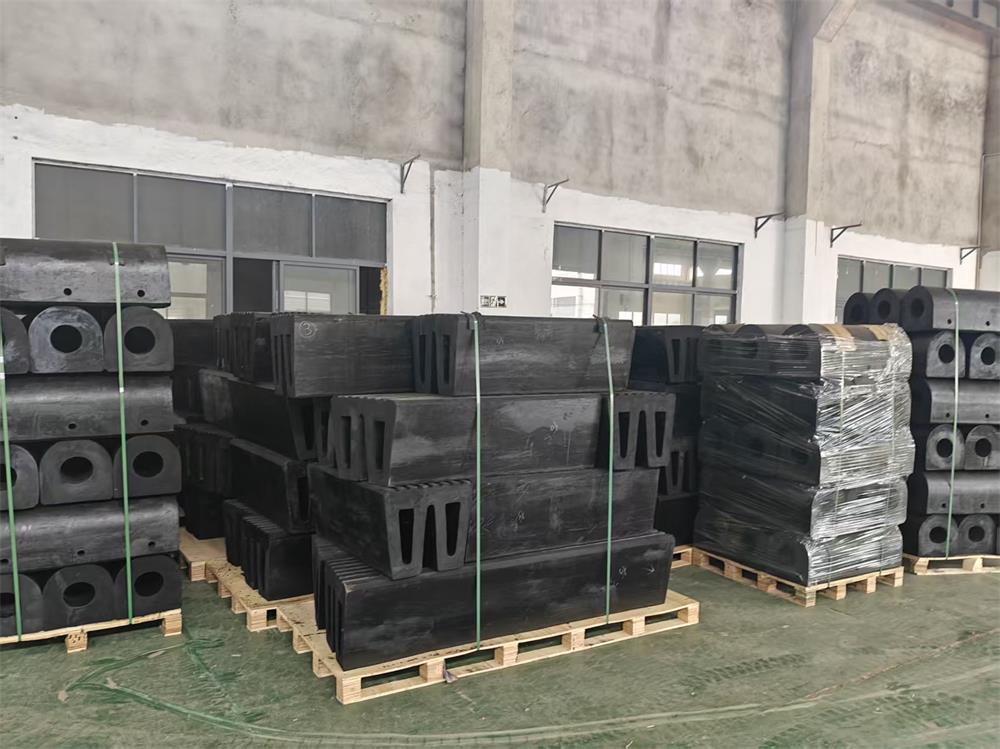
After drawing approval, the fenders were manufactured according to the confirmed specifications. For shipment, the arch fenders were packed on pallets, while the stainless steel anchor bolts were packed separately in wooden cases to help protect the components during transportation.
This project demonstrates that selecting an arch fender is often only part of the specification process. Details such as face pads, anchor bolt configuration, mounting arrangements, and installation requirements can be equally important in ensuring that the final system matches the operating conditions of the berth.
You can read the full Arch Rubber Fender Project Case Study here.
Conclusion
The inclusion of UHMW-PE face pads in an Arch Fender project is not a default requirement but a response to specific operational and durability considerations.
For small ports, industrial berths, and service docks, face pads can provide additional protection, reduce friction, and extend the life of the fender system. As demonstrated in the Indonesian project, reviewing specifications, confirming installation details, and selecting appropriate accessories ensures that arch fenders meet real-world operational needs without over-engineering.