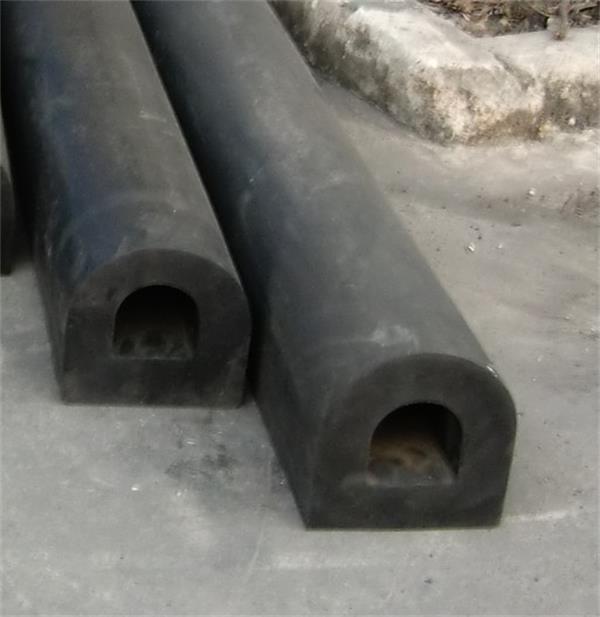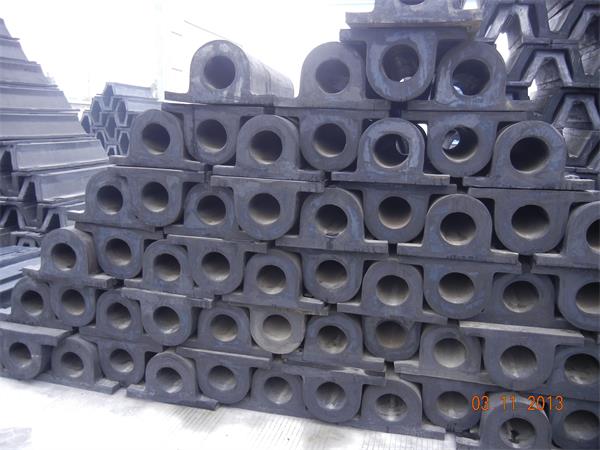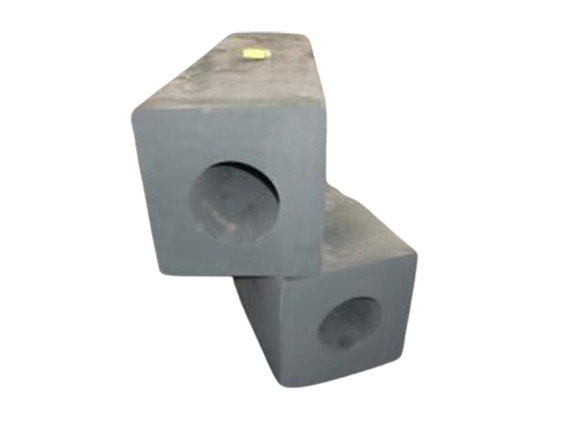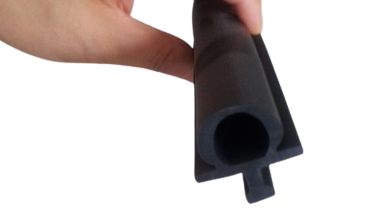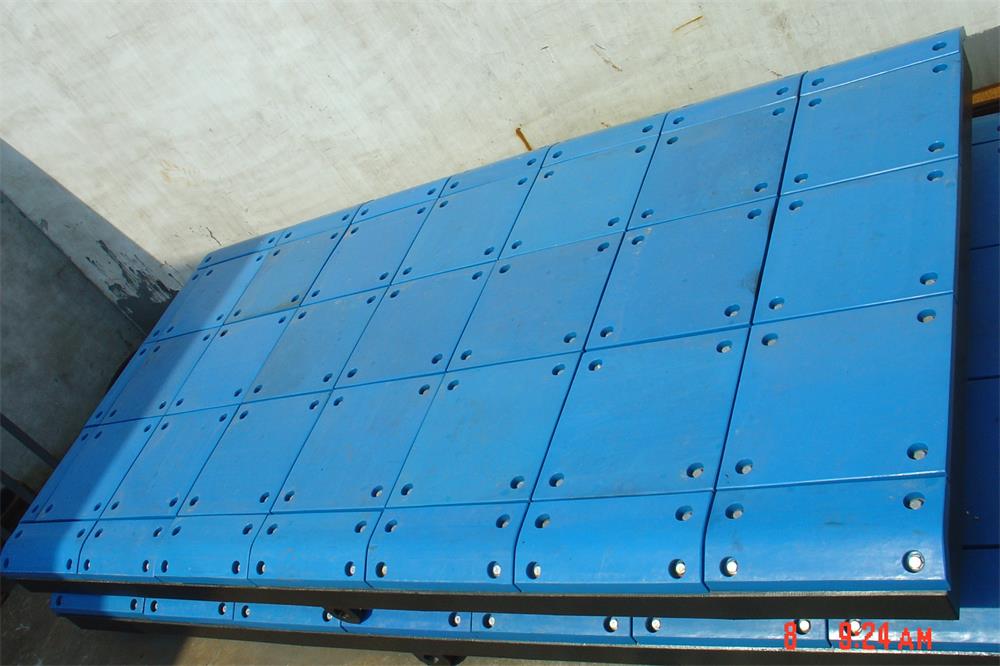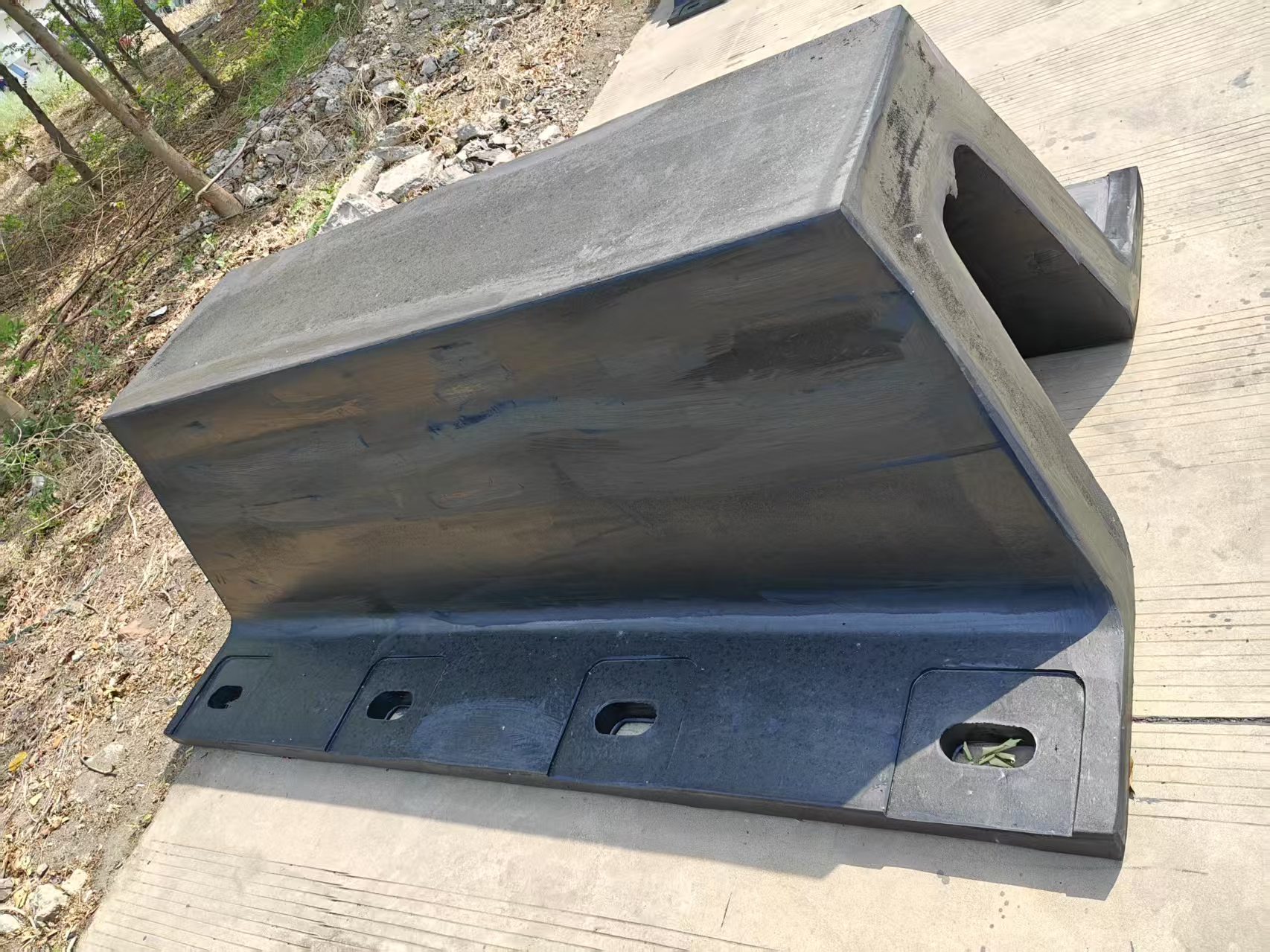
D rubber fenders are widely used for dock protection, pontoons, workboats and various marine structures. When requesting a quotation, buyers often ask whether a D rubber fender is a standard product or a custom product.
The answer is usually both.
Most D rubber fenders are manufactured using standard profile sizes, while dimensions such as length and mounting details are customized to suit specific installation requirements. Understanding which dimensions are fixed and which can be modified helps simplify communication, improve quotation accuracy and avoid unnecessary manufacturing costs.
Why Standard Profiles Are Commonly Used
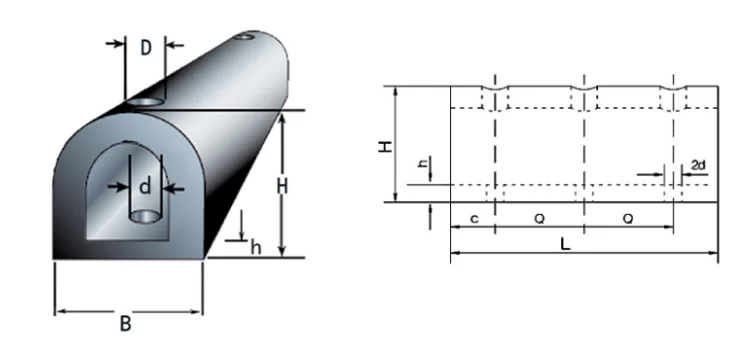
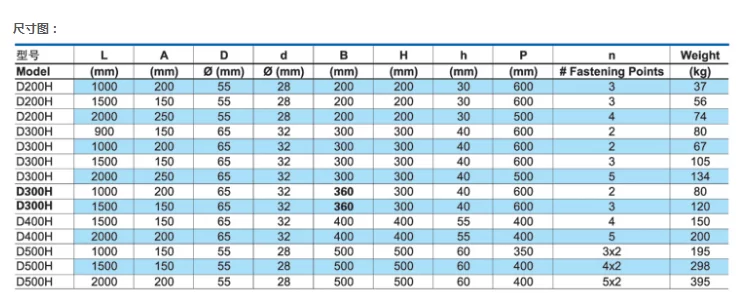
D fenders are available in a range of established profile sizes that have been proven in marine applications over many years.
Common profile sizes include:
- D100 × 100 mm
- D150 × 150 mm
- D200 × 200 mm
- D250 × 250 mm
- D300 × 300 mm
These standard profiles provide predictable performance, simplify manufacturing and help reduce lead times compared with completely custom-designed sections.
For most projects, selecting a suitable standard profile is more practical and economical than creating a new profile from scratch.
Which Dimensions Are Usually Standard?
Several key dimensions are typically determined by the selected profile size.
These include:
- Profile height
- Profile width
- Internal cavity design
- Rubber wall thickness
- Cross-sectional geometry
Because these characteristics define the structure and performance of the fender, they generally remain unchanged once a profile has been selected.
Changing these dimensions often requires additional tooling, engineering review and production preparation.
Which Dimensions Can Be Customized?
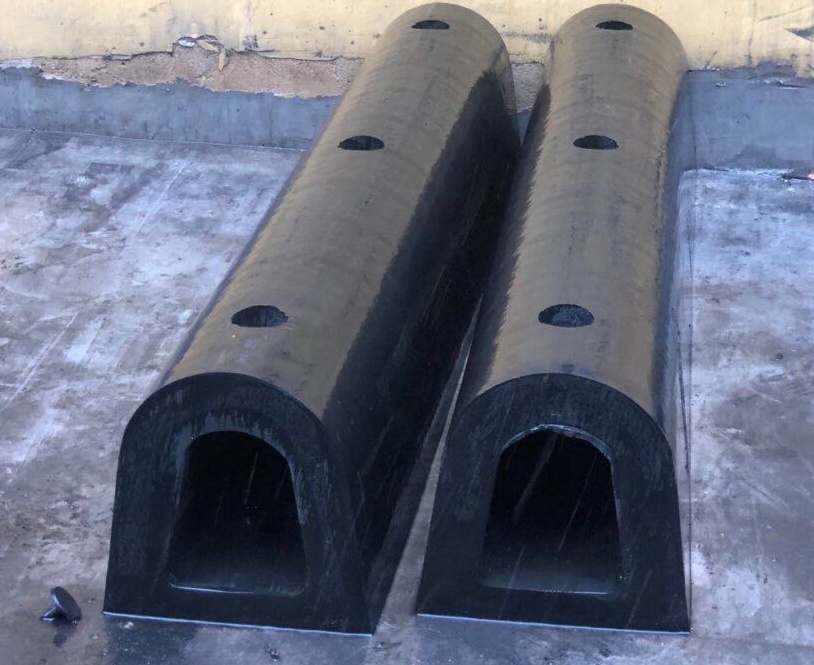
Although the profile itself is usually standard, many installation-related dimensions can be customized.
Typical options include:
- Fender length
- Hole diameter
- Hole spacing
- Hole quantity
- Mounting orientation
- Distance from holes to the fender ends
These modifications allow a standard D rubber fender profile to fit different structures without changing the fundamental design of the product.
As a result, a single profile size can be used across a wide variety of marine projects.
A Common Misunderstanding About Custom D Rubber Fenders
One common misconception is that every custom dimension requires a completely new mold.
In reality, many custom D rubber fender projects continue to use existing profile sizes while modifying only the installation-related dimensions.
For example, two docks may both use a D200 × 200 mm profile, but require different lengths, bolt arrangements or hole spacing because of differences in structural layout.
This approach allows project owners to obtain customized products while avoiding the cost and lead time associated with developing entirely new profiles.
Why Custom Lengths Are So Common
Among all customization options, length is one of the most frequently adjusted dimensions.
Different installations often require different coverage lengths depending on:
- Dock geometry
- Berthing arrangements
- Existing fixing locations
- Structural support positions
- Available mounting space
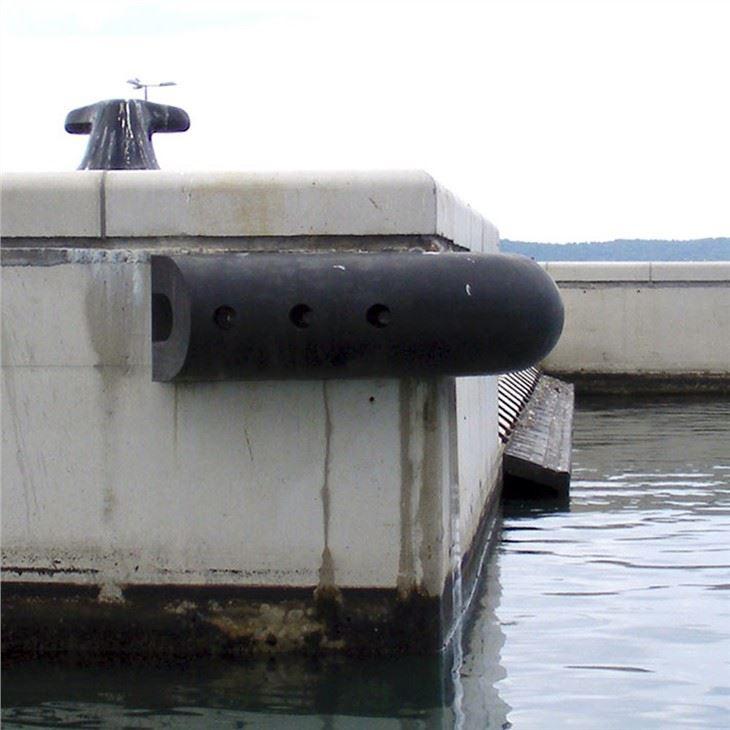
For example, a marina pontoon may require multiple short fender sections installed around cleats and access points, while a commercial dock may use longer sections to provide continuous protection along the berth face.
Even when the profile size remains the same, the required length can vary significantly from project to project.
Project Case: D200 × 200 × 650 mm D Rubber Fender for an Australian Dock


A recent dock protection project illustrates how standard profiles and customized dimensions are commonly combined.
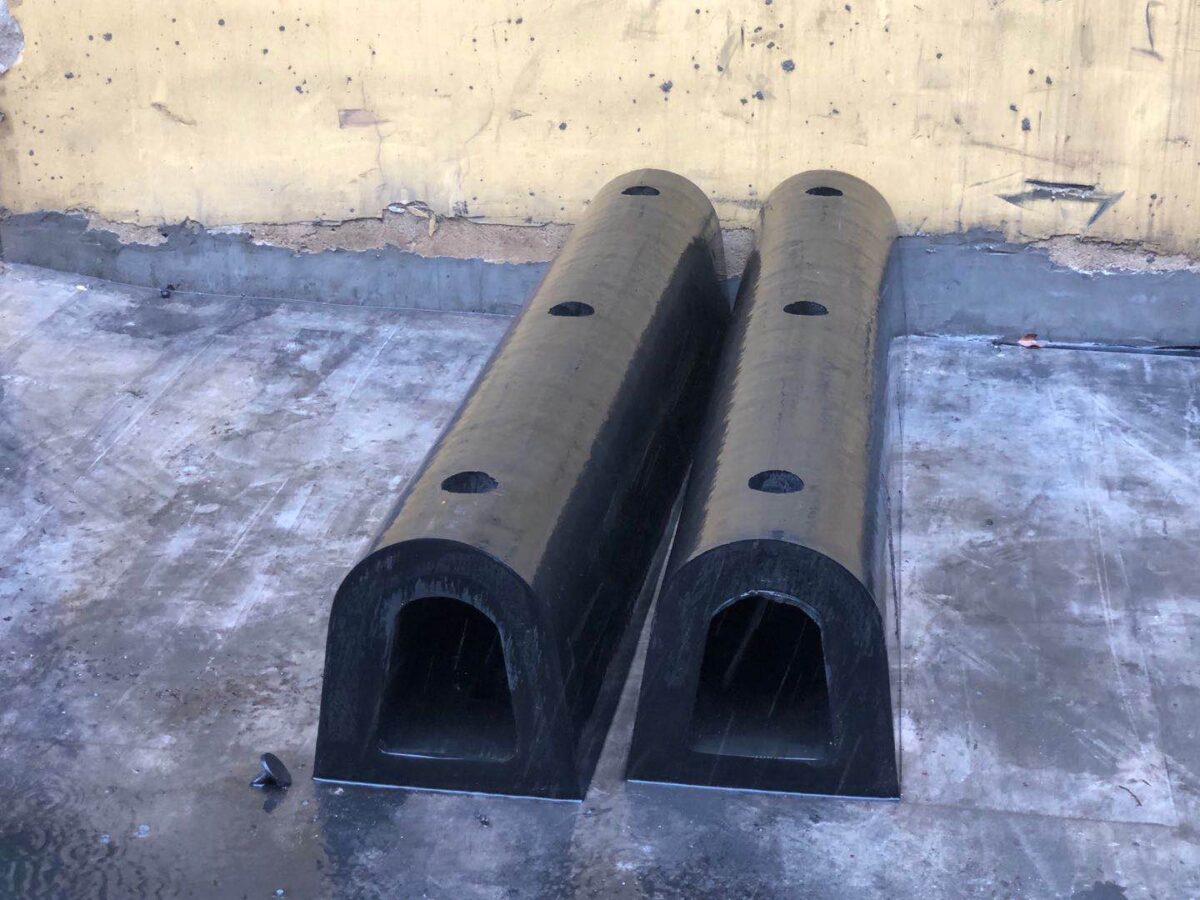
YT Marine supplied 15 pcs D200 × 200 × 650 mm D rubber fenders for a repeat customer in Australia. The project utilized a standard D200 × 200 mm profile with a D-shaped internal cavity manufactured from natural rubber.
While the profile itself remained unchanged, the customer required a customized length of 650 mm to suit the dock layout and existing installation conditions.
By combining a proven standard profile with project-specific dimensions, the customer was able to obtain a practical solution without the additional cost of developing a new profile design.
After production, the fenders were packed on plywood pallets and prepared for export shipment.
Please find our detailed project here: https://ytmarinefender.com/project/dock-d-fender/
Information to Prepare Before Requesting a Quotation
Providing complete project information helps manufacturers recommend suitable configurations and reduces the risk of revisions during production.
Recommended information includes:
- Required profile size
- Fender length
- Hole diameter
- Hole spacing
- Quantity
- Installation drawings
- Site photos
Even a simple sketch or installation photograph can help clarify requirements and improve quotation accuracy.
Conclusion
When specifying a D rubber fender, it is important to distinguish between profile dimensions and installation dimensions. In most cases, the profile size is selected from a standard range, while details such as length and hole configuration are customized to suit the project.
Understanding this distinction helps buyers make informed decisions, reduce lead times and obtain cost-effective solutions for dock and vessel protection.