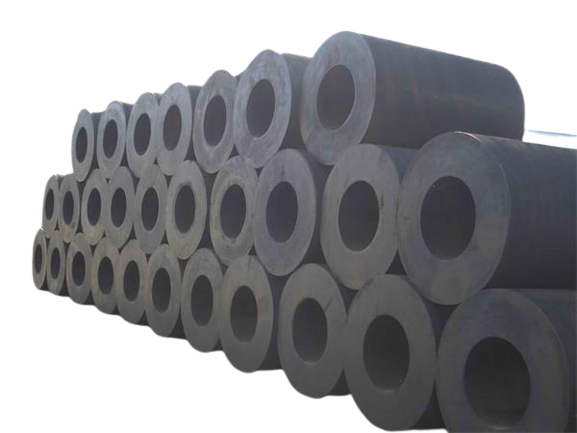
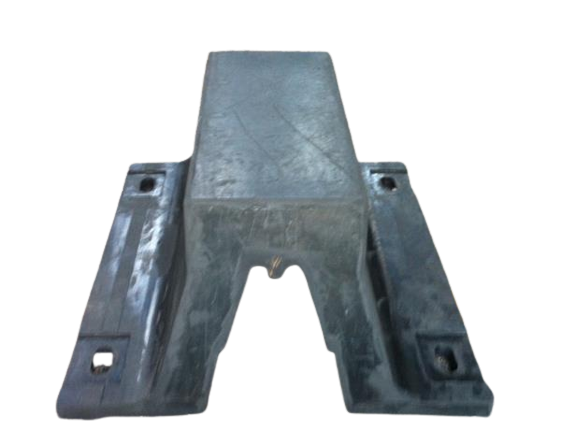
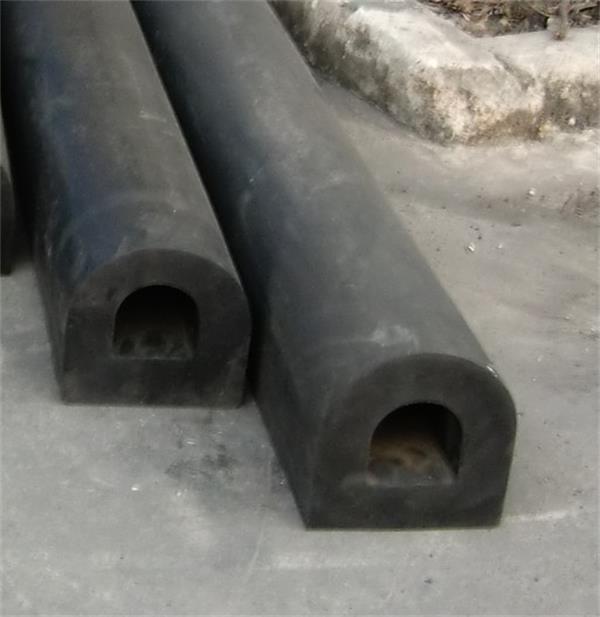
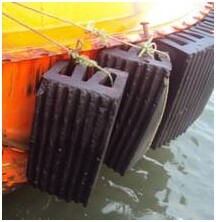
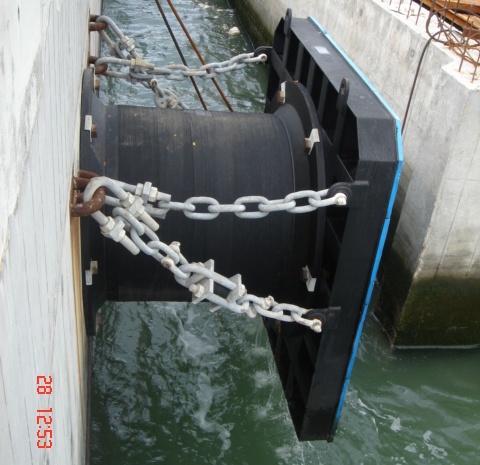
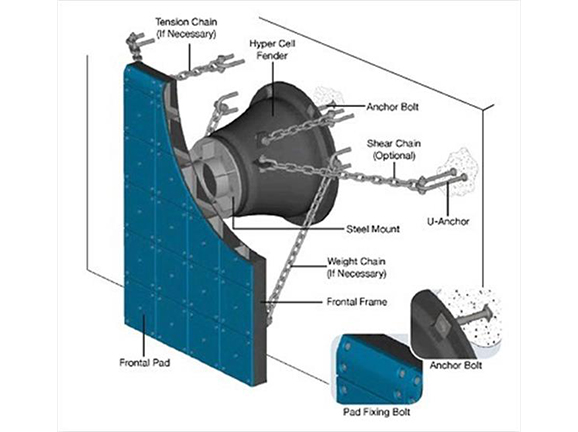
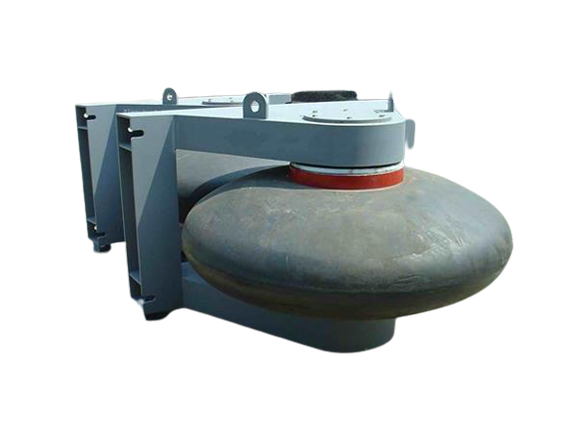
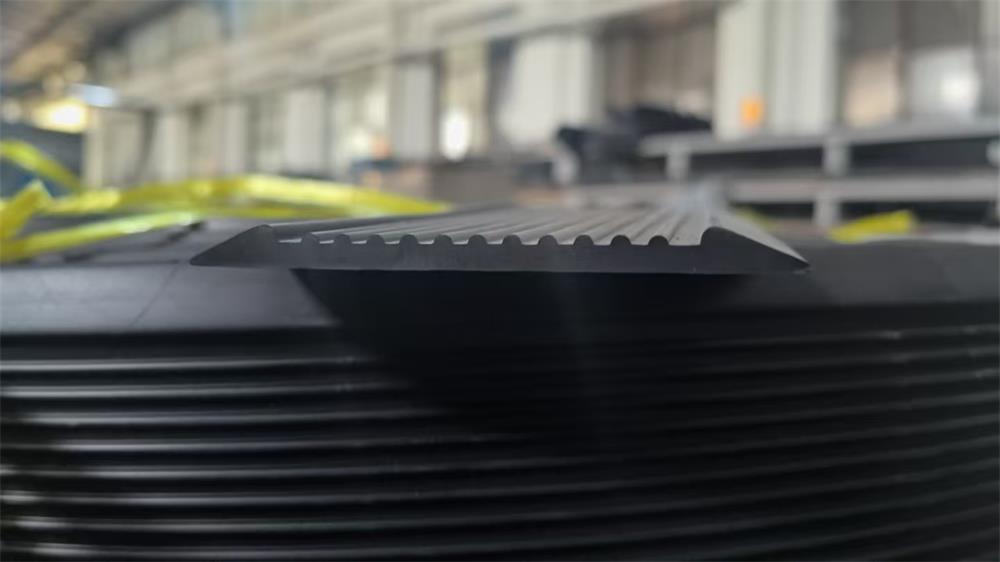
Fixed fender systems are widely used in Marine Fender Systems for ports, docks and marine structures around the world. However, not every berthing project can be effectively protected using a fixed fender arrangement.
In some applications, changing water levels, vessel movements or structural limitations make floating fenders a more practical solution.
Understanding the differences between fixed and floating fender systems can help project owners select a protection arrangement that better matches actual operating conditions.
Fixed and Floating Fender Systems Serve Different Purposes
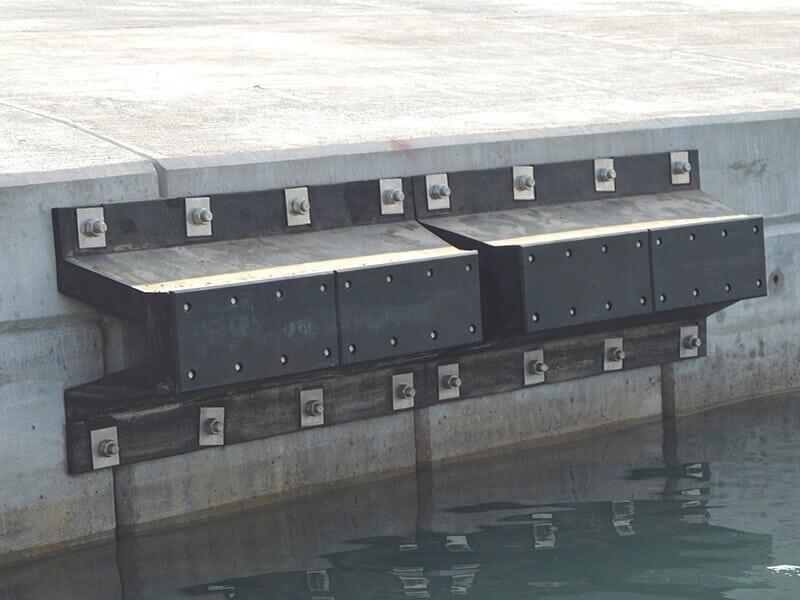
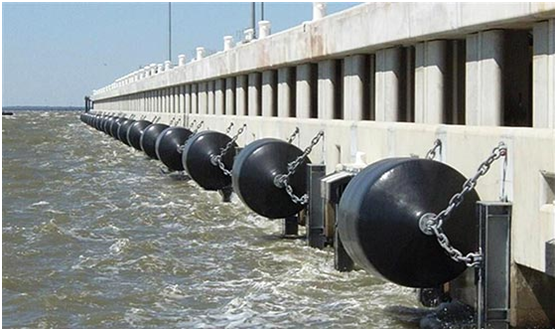
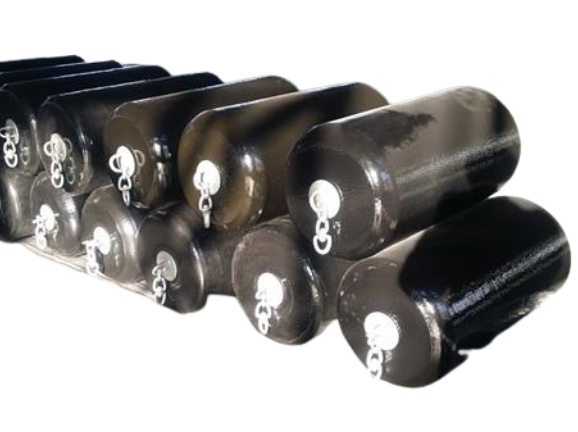
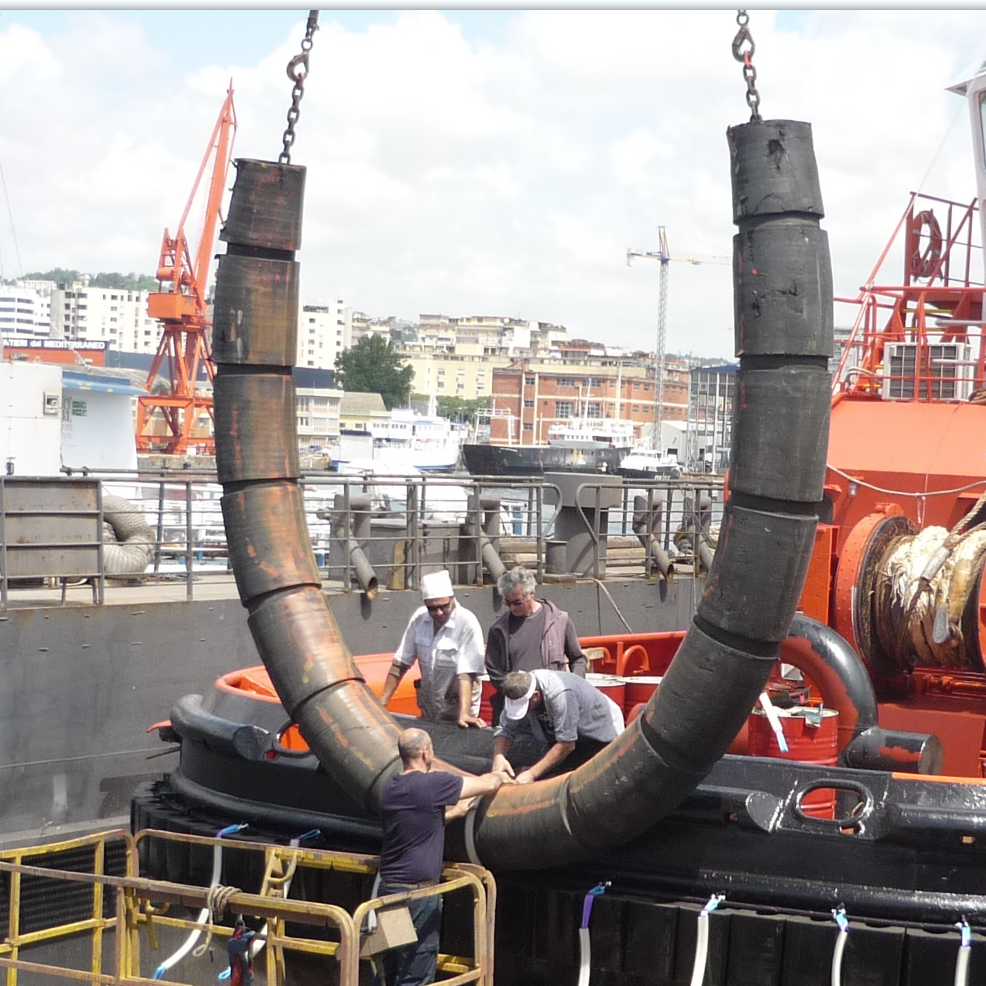
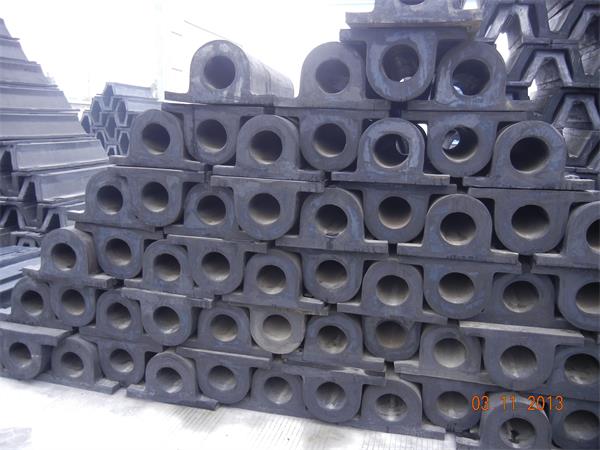
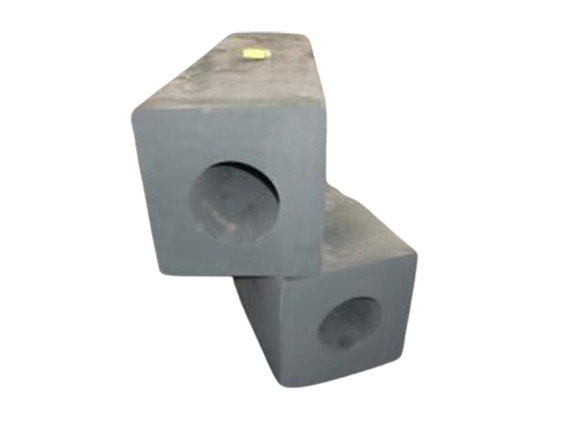
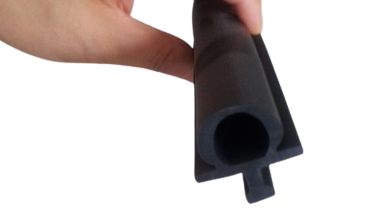
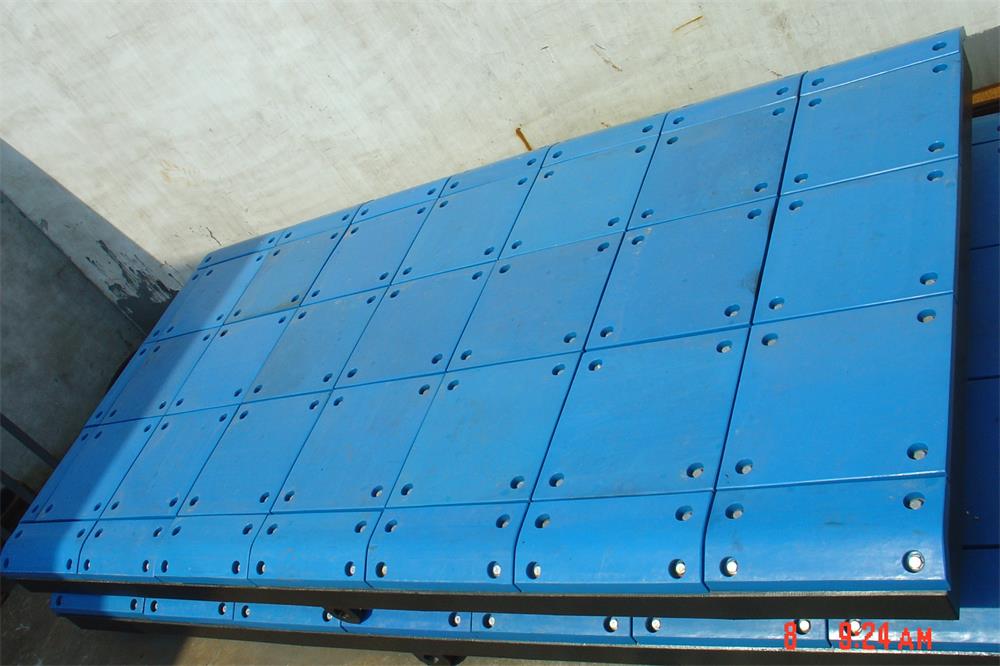
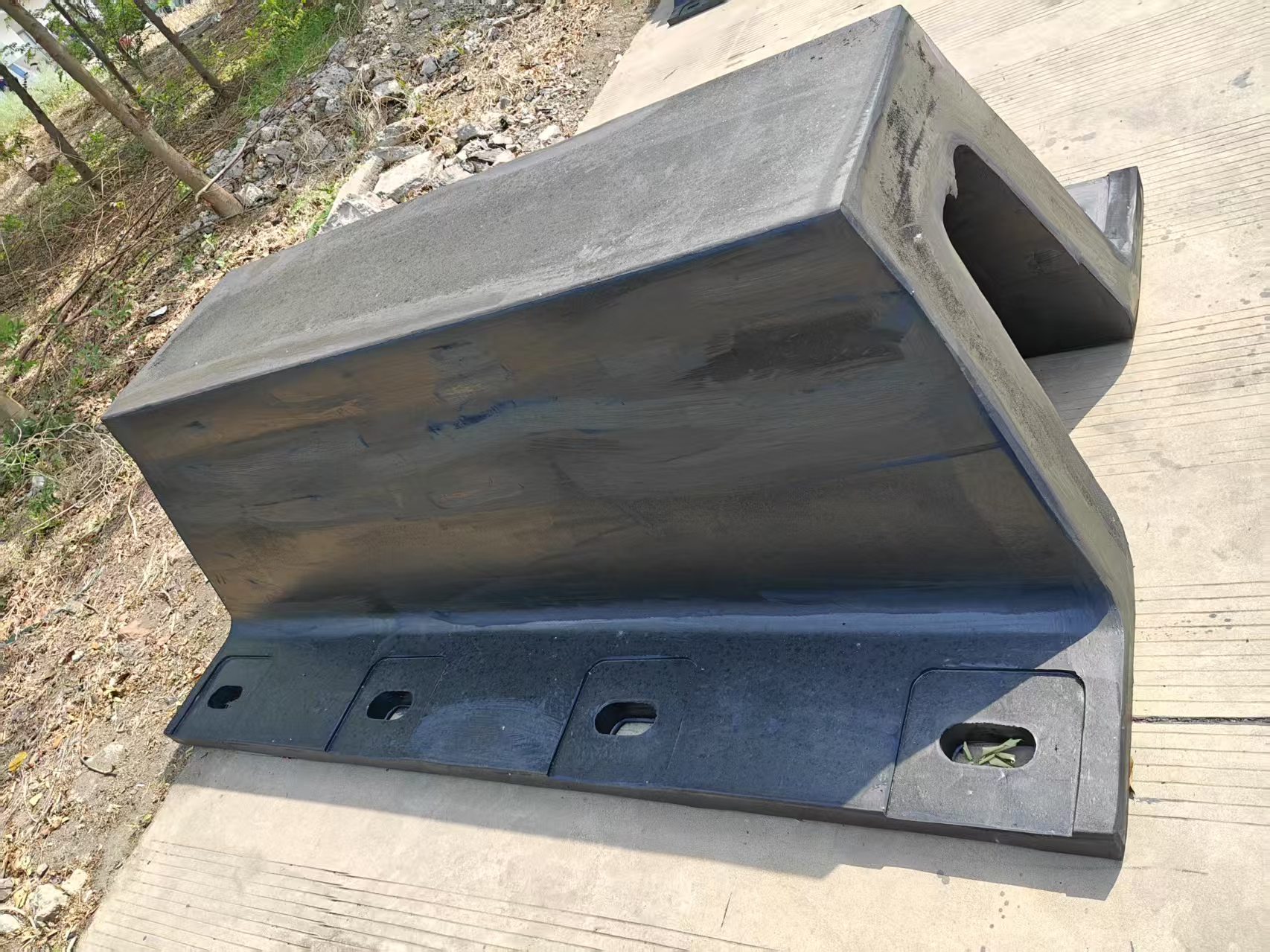
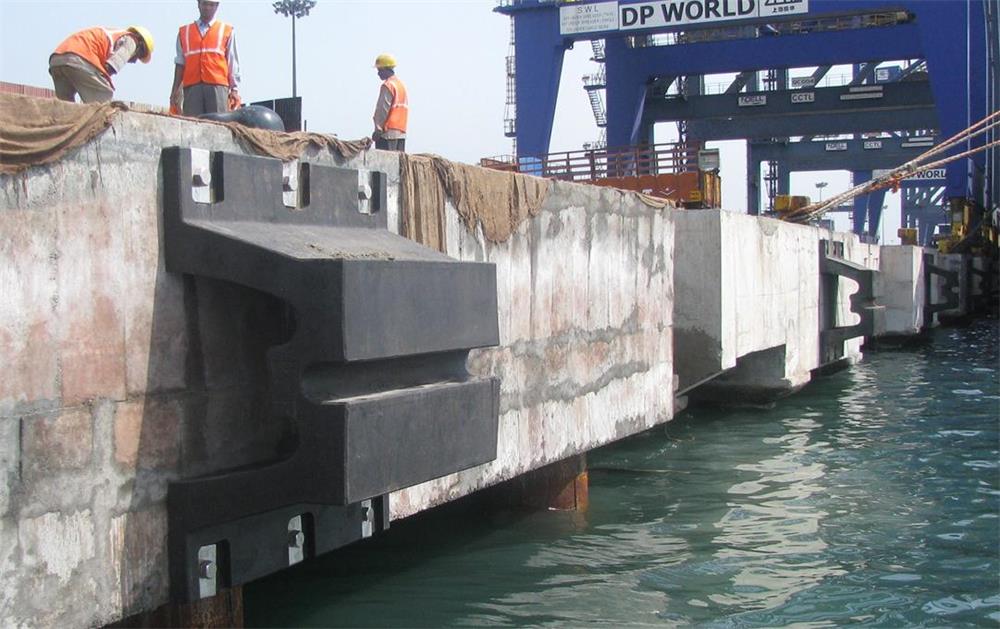
A fixed fender is permanently attached to a dock, quay wall or marine structure.
During berthing operations, vessels come into contact with the fender at a predetermined location, allowing impact forces to be absorbed by the fender and supporting structure.
A floating fender operates differently.
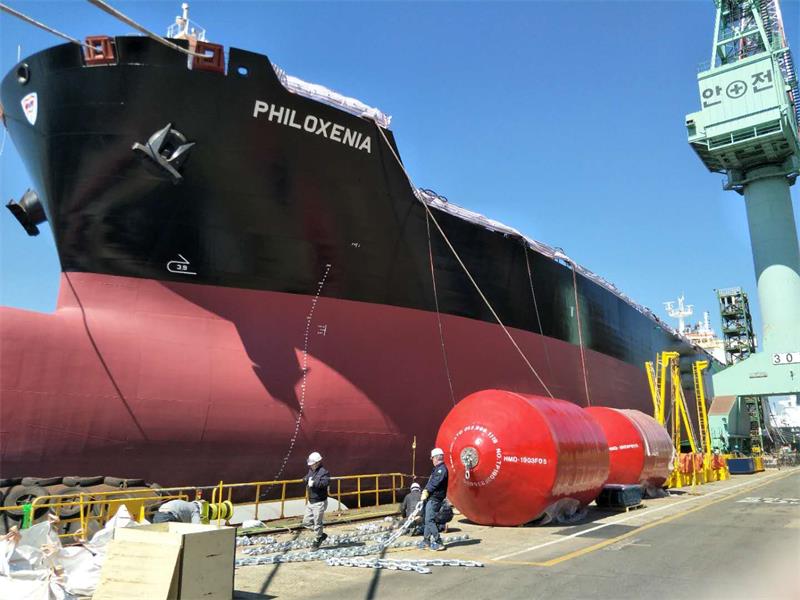
Instead of remaining fixed to a structure, the fender floats on the water surface and moves with changing water levels and vessel positions.
This allows the fender to maintain a more consistent contact position under varying operating conditions.
When Fixed Fenders Become Less Effective
Fixed fenders perform well in many marine environments, but certain conditions can reduce their effectiveness.
Examples include:
- Large tidal variations
- Floating pontoons
- Variable vessel freeboard heights
- Temporary berthing locations
- Structures with limited mounting surfaces
In these situations, a fixed fender may not always align with the vessel’s contact area, particularly when water levels change significantly throughout the day.
As a result, additional protection measures may be required.
Why Floating Fenders Are Used in Some Projects
In many modern Marine Dock & Mooring Fender Systems, floating fenders are selected to complement fixed fender installations where additional flexibility is required.
Adaptation to Water Level Changes
Because the fender rises and falls with the water, protection can remain effective across a wider range of tidal conditions.
Flexible Positioning
Floating fenders can often be repositioned more easily than fixed systems when operational requirements change.
Reduced Structural Requirements
Some marine structures provide limited space for installing conventional fixed fenders.
Floating fenders can sometimes provide protection without extensive modifications to the existing structure.
Protection for Different Vessel Types
Where multiple vessel sizes use the same berth, floating fenders can help accommodate varying hull contact positions.
Project Case: Floating Fender for Marine Berthing Protection

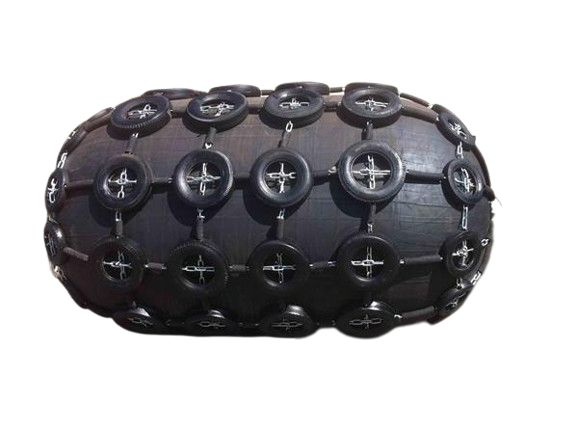
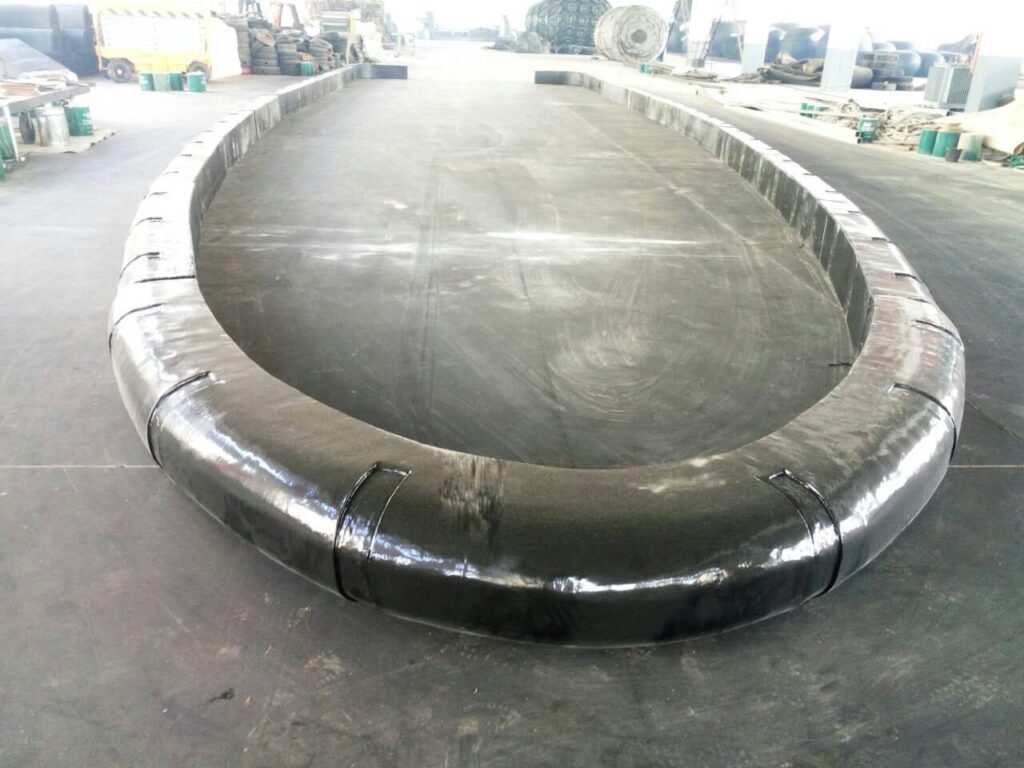
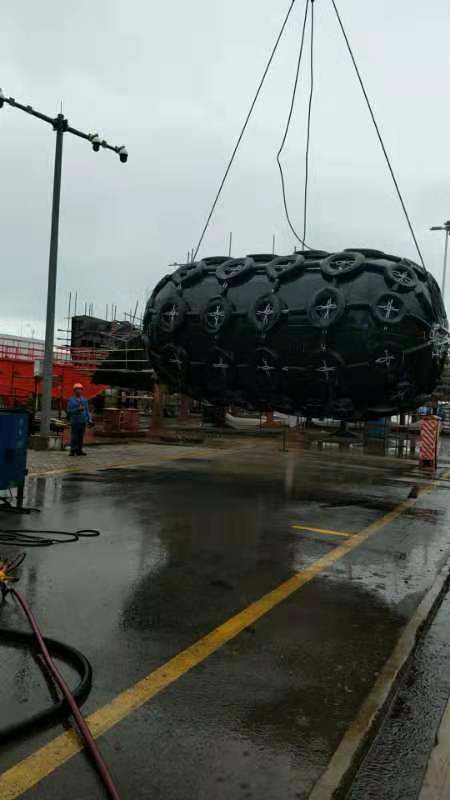
Project Case: 2.5 × 5.5 m Floating Pneumatic Fenders for a Greece Customer
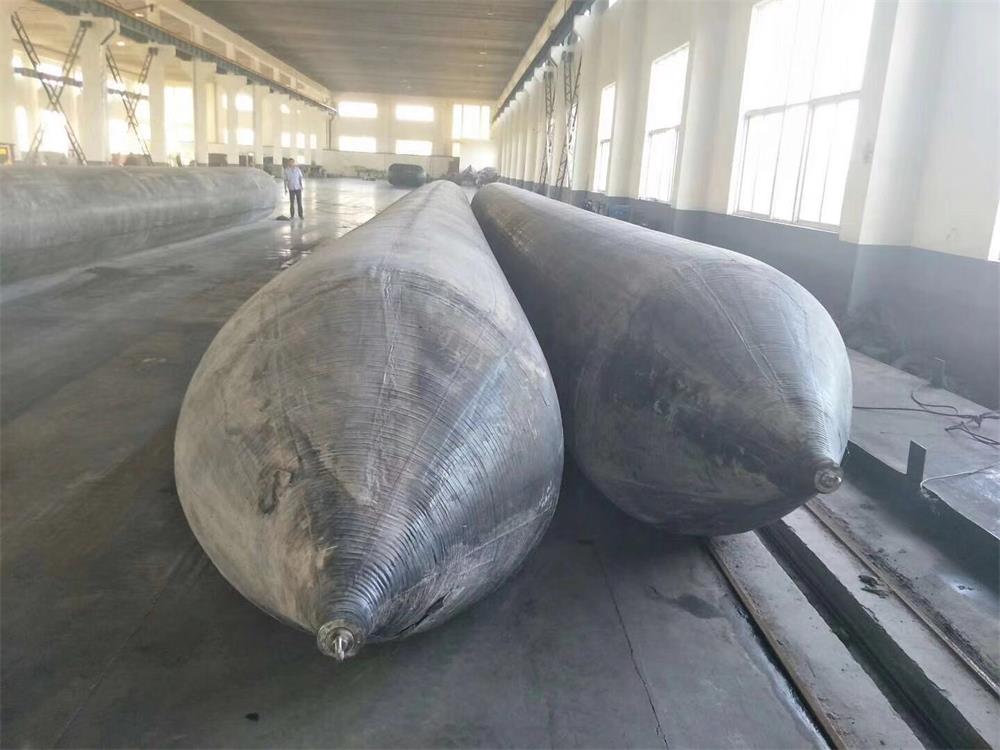
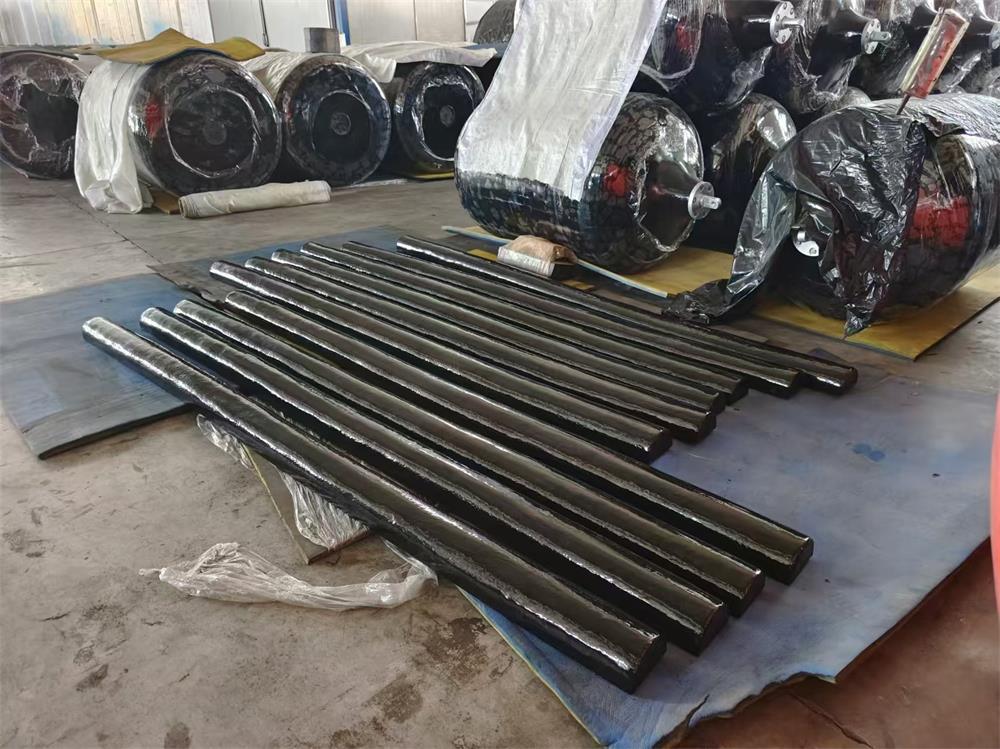
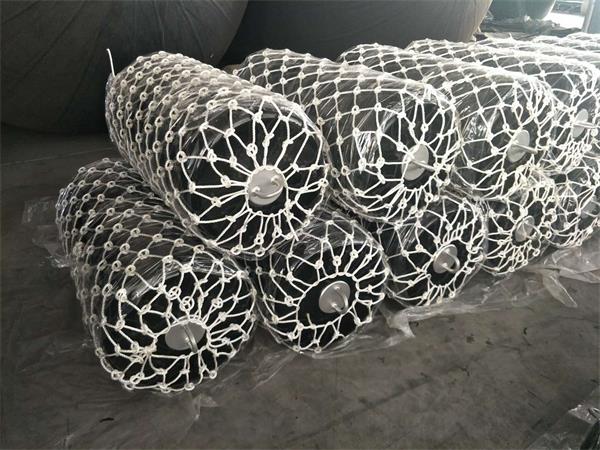
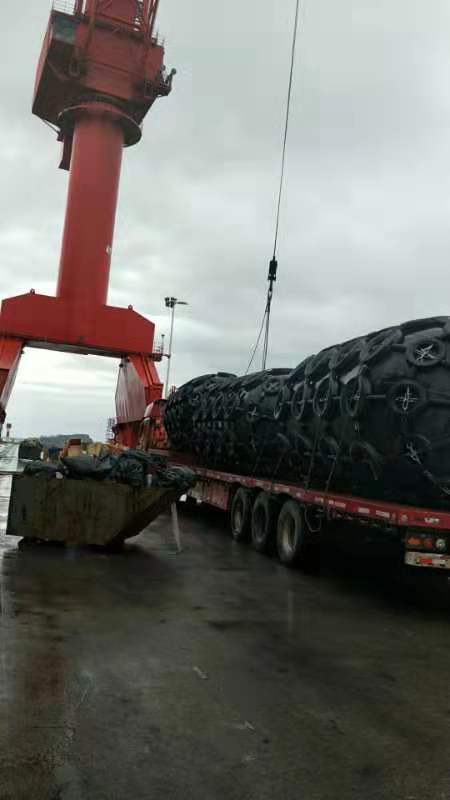
This project involved the production of three 2.5 × 5.5 m floating pneumatic fenders for a customer in Greece.
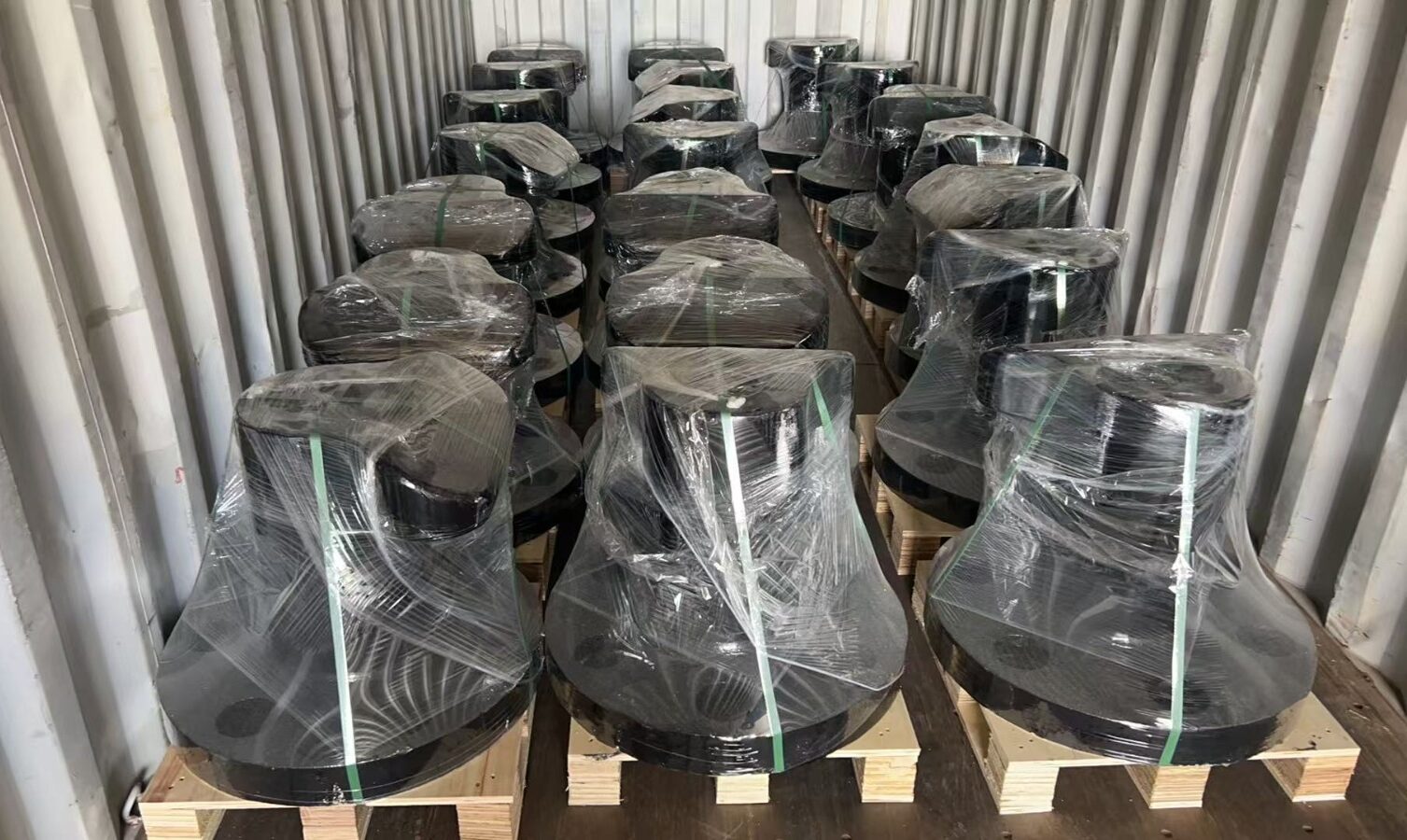
The fenders were supplied with tire-chain net protection and manufactured according to the customer’s specified requirements. After production and inspection, the fenders were prepared for export shipment.
Compared with fixed fender installations, floating pneumatic fenders can be deployed without permanent mounting structures and are commonly used in temporary berthing locations, ship-to-ship operations and other applications where flexible positioning is required.
For this order, the customer selected floating pneumatic fenders as part of the vessel protection arrangement. The project included the complete manufacturing, inspection and delivery process before shipment to the final destination.
Please find the detailed project here: https://ytmarinefender.com/project/floating-fender/
Factors to Consider Before Selecting a Floating Fender
Floating fenders are not automatically the best solution for every project.
Several factors should be reviewed during the selection process:
- Vessel size and type
- Berthing frequency
- Tidal range
- Water depth
- Mooring arrangement
- Available installation space
- Maintenance requirements
Evaluating these conditions helps determine whether a floating or fixed fender system is more appropriate.
Fixed and Floating Systems Are Often Used Together
In some projects, floating fenders are not used as a replacement for fixed fenders but as part of a combined protection strategy.
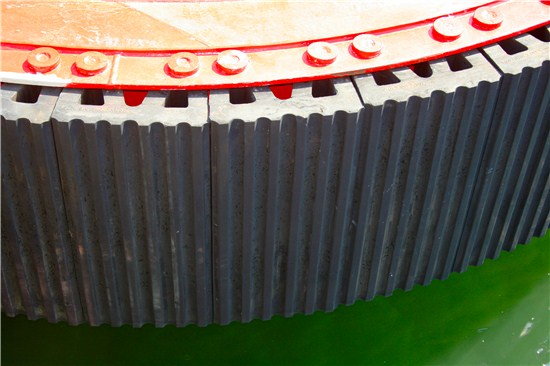
For example, a berth may use fixed rubber fenders along the main structure while deploying floating fenders in areas where additional flexibility is required.
This approach allows project owners to balance protection, installation requirements and operational efficiency.
Conclusion
Fixed fenders remain the preferred solution for many berthing applications, but they are not suitable for every operating environment.
Where water levels, vessel positions or installation conditions vary significantly, floating fenders can provide a more adaptable protection solution.
By understanding the differences between fixed and floating arrangements, project owners can select Marine Fender Systems that better match the practical requirements of the berth and the vessels they serve.