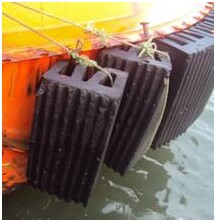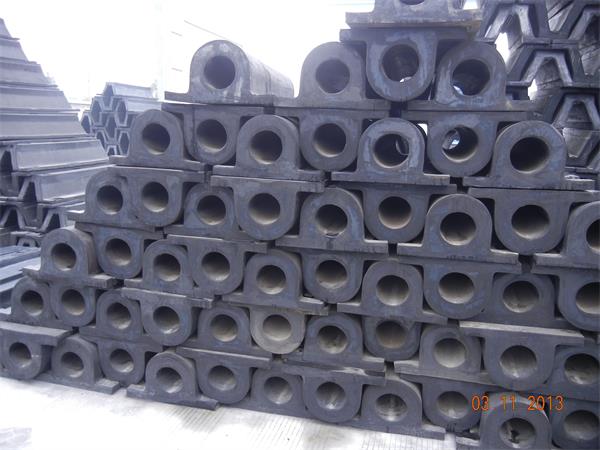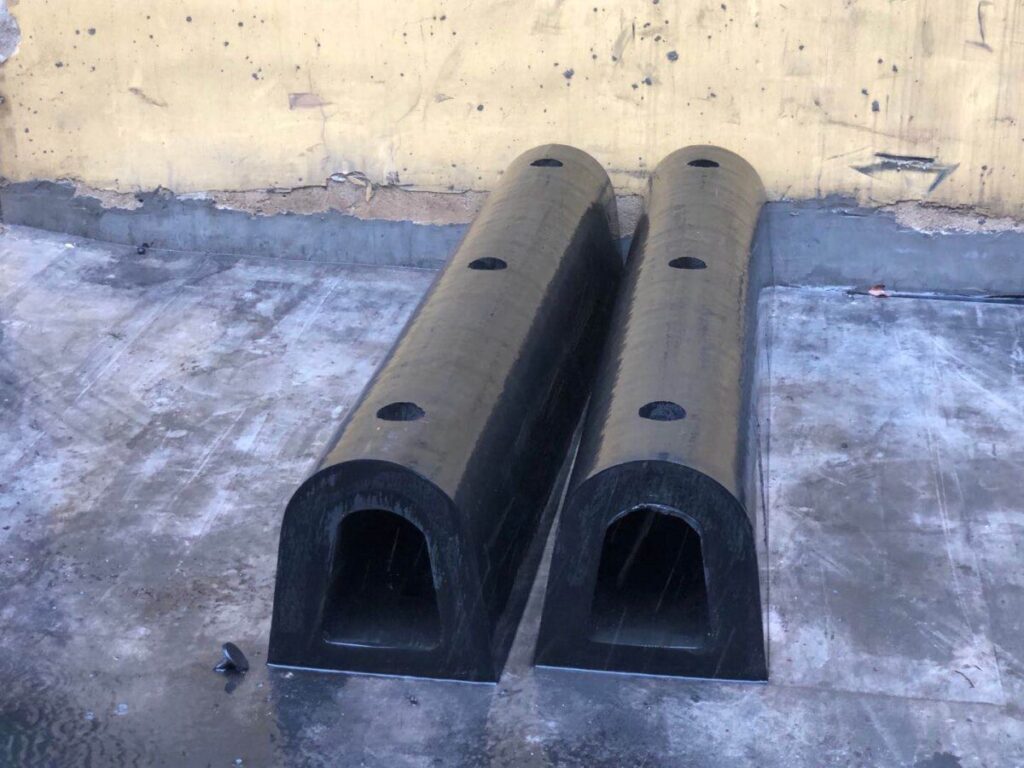
Many buyers assume that D rubber fenders are standard products that can be ordered directly from a catalog and installed without modification.
In reality, while the cross-sectional dimensions of a D rubber fender are usually determined by the existing mold, installation requirements often vary from project to project.
A recent D500 × 500 × 1500 mm project for a client in Singapore demonstrates why dimensions, mounting details, and drawing approval should be reviewed before manufacturing begins.
Standard Profiles, Project-Specific Requirements
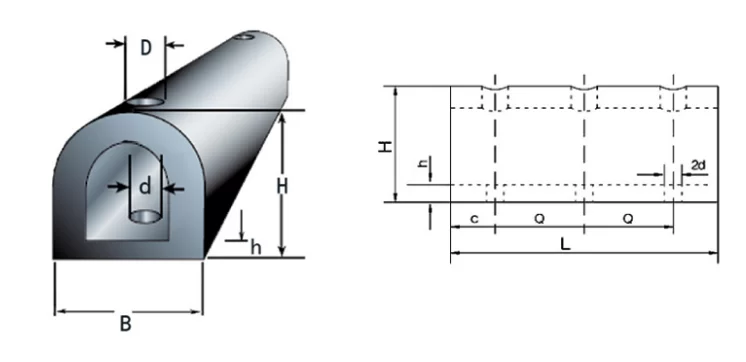
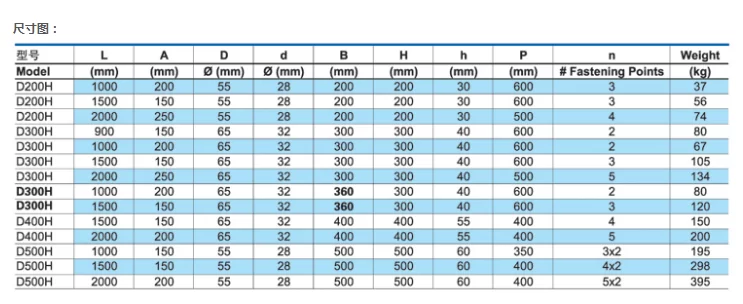
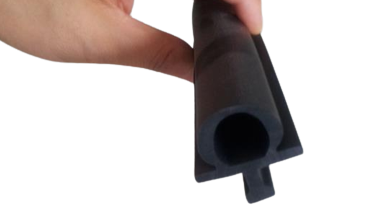
Most D rubber fenders are produced using standard mold sizes, which determine the width and height of the profile.
However, the overall length can typically be manufactured according to project requirements.
Like many components used in a complete Marine Fender System, D rubber fenders are often adapted to match project-specific installation conditions rather than relying entirely on standard catalog dimensions.
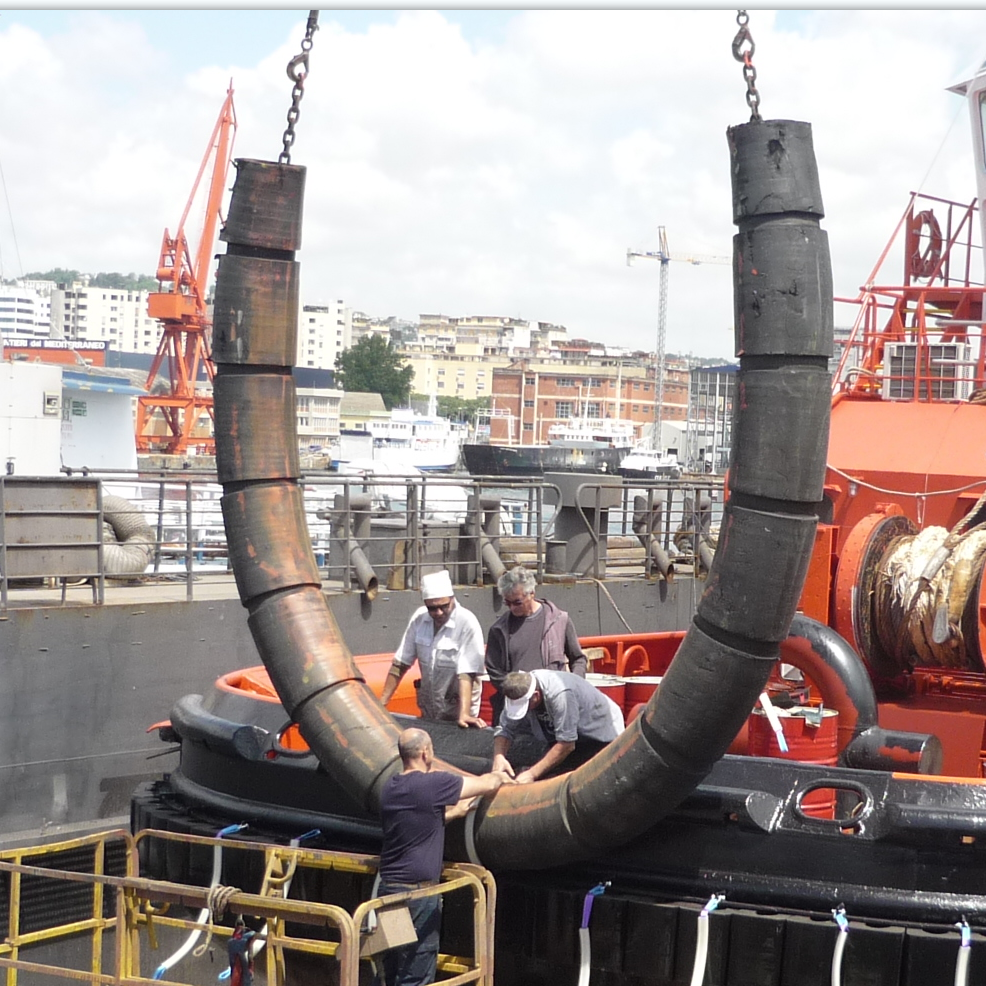
This flexibility allows D fenders to be used in a wide range of applications, including:
- Dock structures
- Vessel side protection
- Pontoons
- Workboats
- Shipyard facilities
Because installation layouts differ from one project to another, standard dimensions do not always provide the best fit.
Why Mounting Hole Position Matters

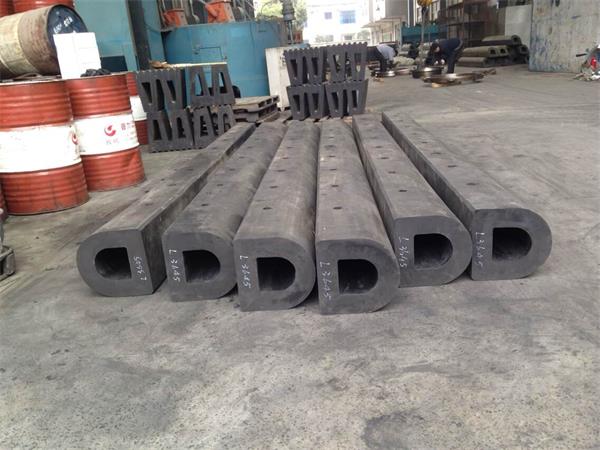
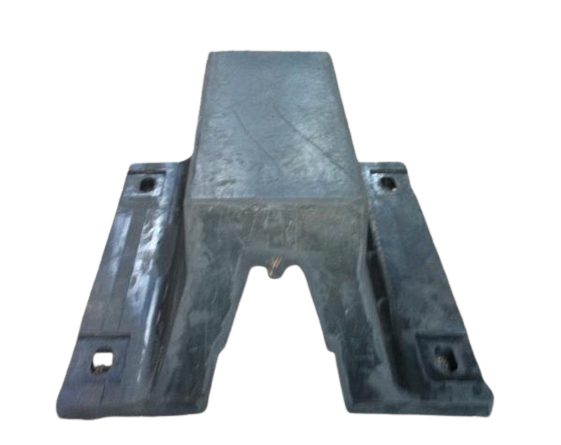
One of the most frequently customized details is the mounting hole arrangement.
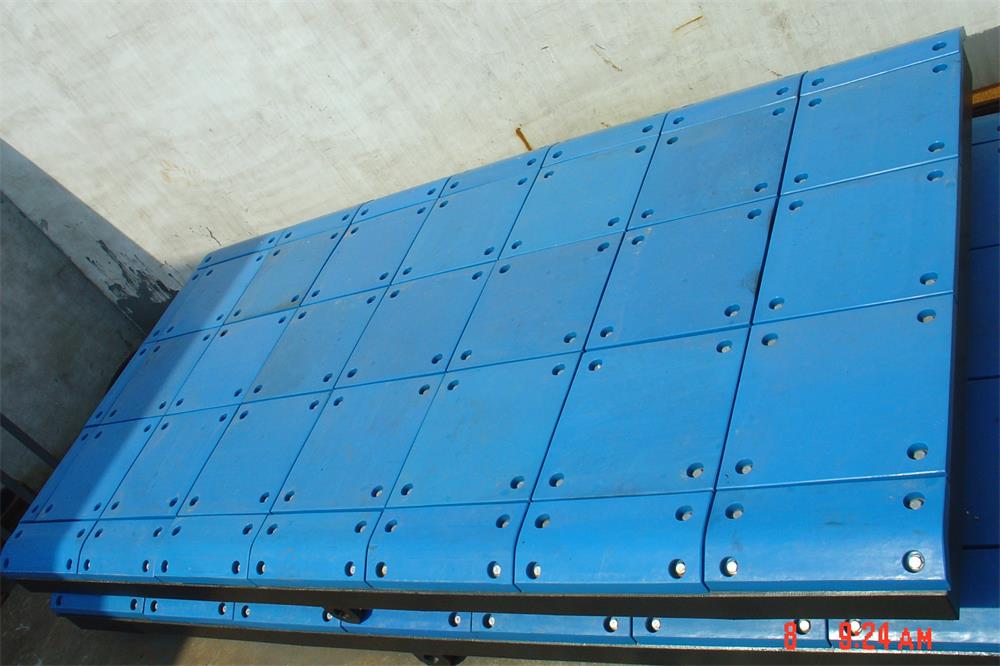
The position and spacing of installation holes must match the supporting structure and fixing method used on site.
If the hole layout does not correspond with the installation surface:
- Installation may become difficult
- Additional drilling may be required on site
- Alignment problems can occur
- Installation time and labor costs may increase
For this reason, mounting details are typically determined according to approved Engineering Drawings rather than relying on standard configurations.
The objective is straightforward: ensure that the fender can be installed correctly without unnecessary modification after delivery.
Different Installation Methods Require Different Designs

D rubber fenders can be installed using several different mounting arrangements.
Depending on the application, customers may require:
- Through-bolt installation
- Face mounting
- Side mounting
- Recessed fixing arrangements
- Custom steel support structures
Whether installed on docks, workboats, pontoons, or other marine structures, mounting requirements often vary significantly from project to project.
As a result, installation details should be reviewed and confirmed before production begins.
This is particularly important in Marine Construction projects, where correcting installation issues after delivery can be considerably more expensive than addressing them during manufacturing.
Why Drawing Approval Matters
For customized fender applications, drawing approval is one of the most important stages before production.
Dimensions such as:
- Fender length
- Hole position
- Hole spacing
- Mounting arrangement
- Installation orientation
should be reviewed and confirmed by both the supplier and the customer.
This process helps ensure that the finished product matches the intended installation requirements and reduces the risk of costly modifications during installation.
In many cases, a brief drawing review can prevent delays that might otherwise only be discovered once the fenders arrive on site.
A Singapore Project Example


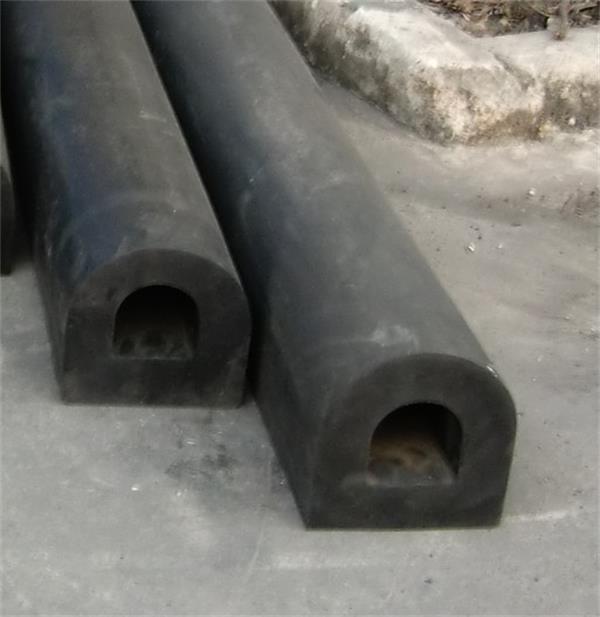
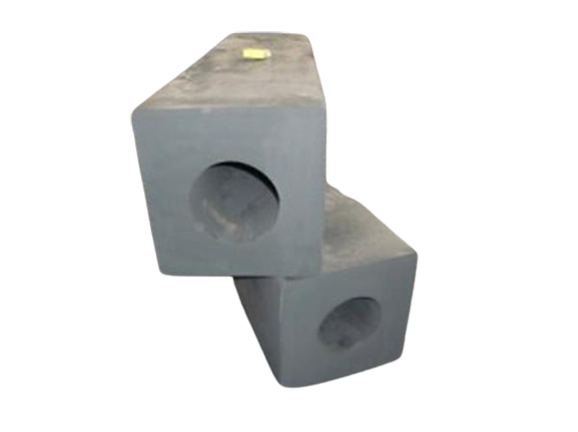
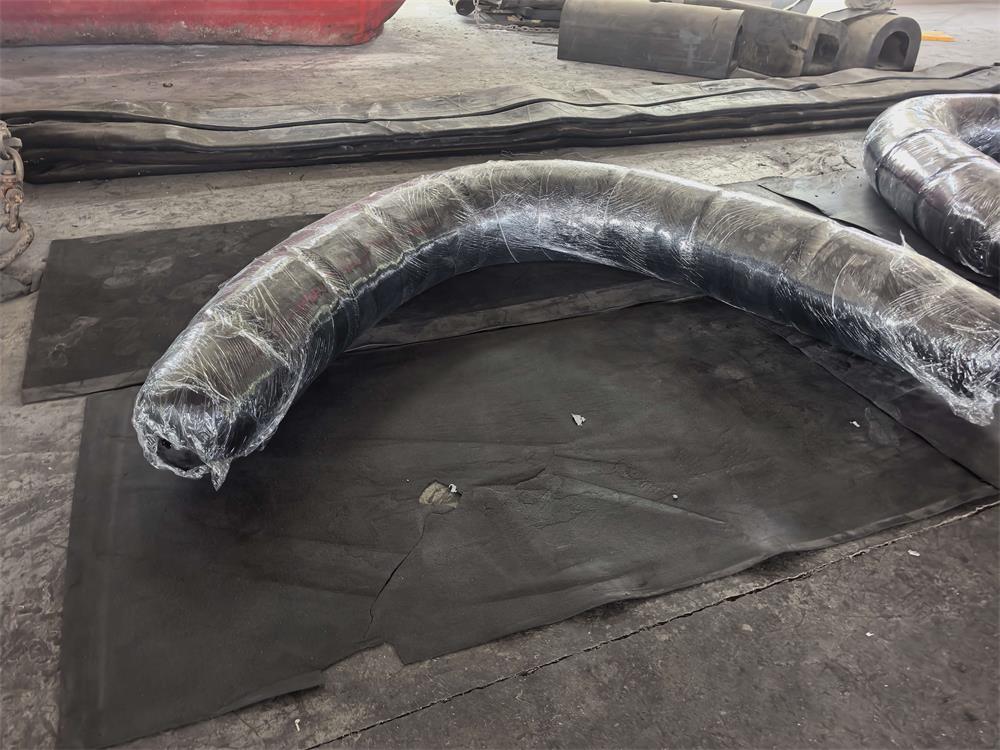
A recent project for a client in Singapore involved the manufacture of one D500 × 500 × 1500 mm D rubber fender.
Before production, the dimensions and installation details were reviewed according to the approved drawing to ensure compatibility with the project’s mounting requirements.
Although the profile itself was based on a standard mold size, the final product specifications were confirmed to match the client’s installation arrangement.
By verifying these details before manufacturing, the project was able to proceed efficiently while minimizing the risk of installation issues after delivery.
You can read the full D500 × 500 × 1500 mm D Rubber Fender Project Case Study here.
Conclusion
D rubber fenders may appear to be simple products, but successful installation often depends on details that are determined long before manufacturing begins.
Factors such as fender length, mounting hole position, fixing arrangements, and installation orientation can all influence whether a fender fits correctly once delivered to the project site.
By reviewing drawings before production and manufacturing according to project-specific requirements, suppliers and customers can improve installation efficiency, reduce rework, and ensure that the fender system performs as intended.
For many marine projects, the most important customization is not the fender profile itself, but ensuring that the installation details match the application from the very beginning.