When selecting Anchor Chains for ships and marine projects, buyers often focus on chain diameter first.
While chain size is certainly important, it is only one part of the specification.
Factors such as chain type, corrosion protection, certification requirements, and intended application can all influence whether an anchor chain is suitable for long-term service in a marine environment.
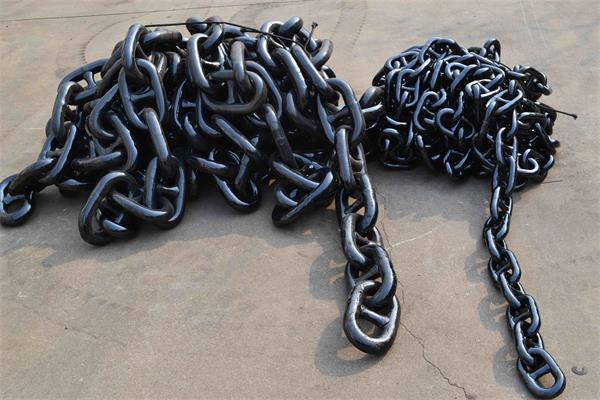
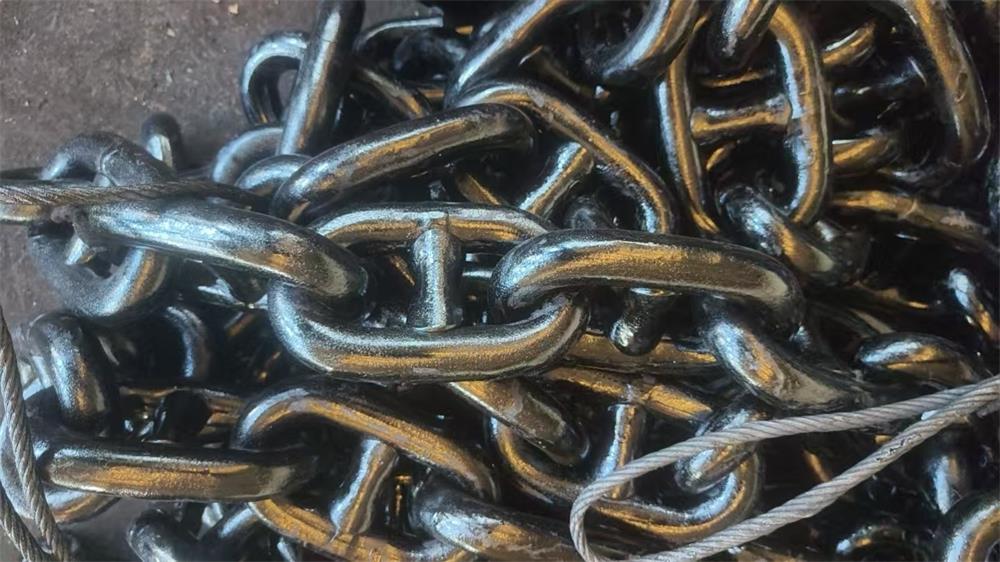
A recent Australian project involving hot-dip galvanized studless anchor chains demonstrates why anchor chain selection often involves much more than simply choosing a diameter.
Chain Diameter Is Only One Part of the Specification
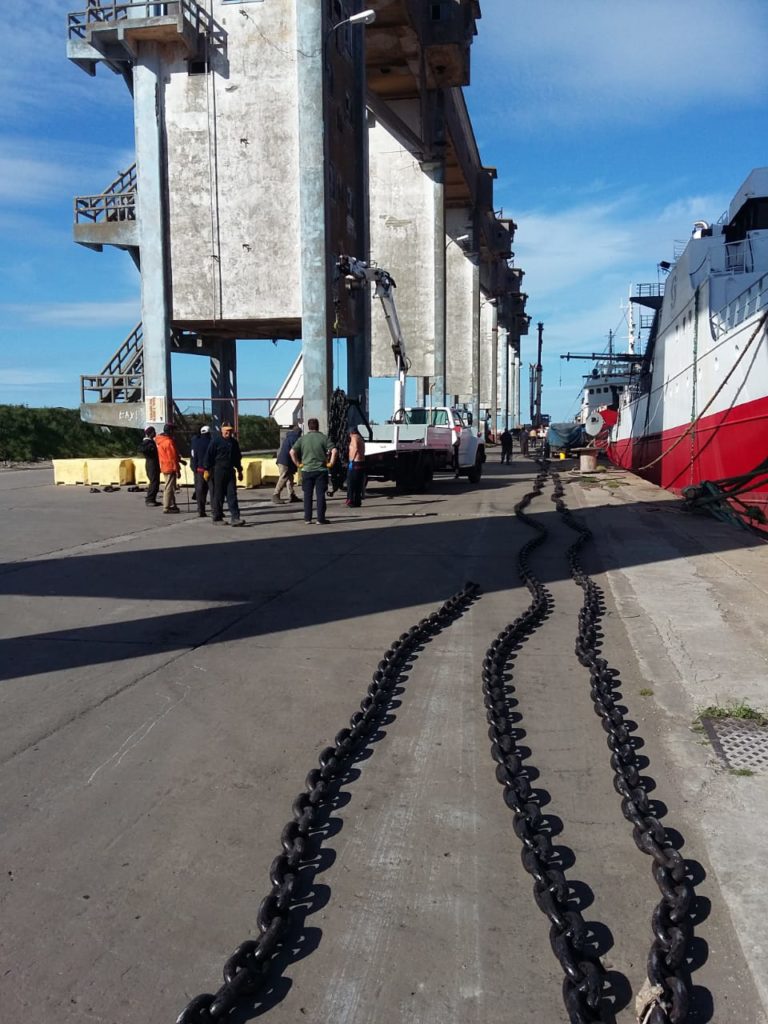
Anchor chains are used in a wide range of marine applications, including:
- Ships and workboats
- Mooring systems
- Floating structures
- Marine construction projects
- Dock and harbor facilities
Different applications require different chain specifications.
While larger vessels may require heavier chain sizes, smaller ships and marine projects often use chain sizes such as 14 mm and 16 mm to balance strength, handling requirements, and installation practicality.
However, selecting the correct diameter is only the starting point of the decision-making process.
Chain Type Must Match the Application
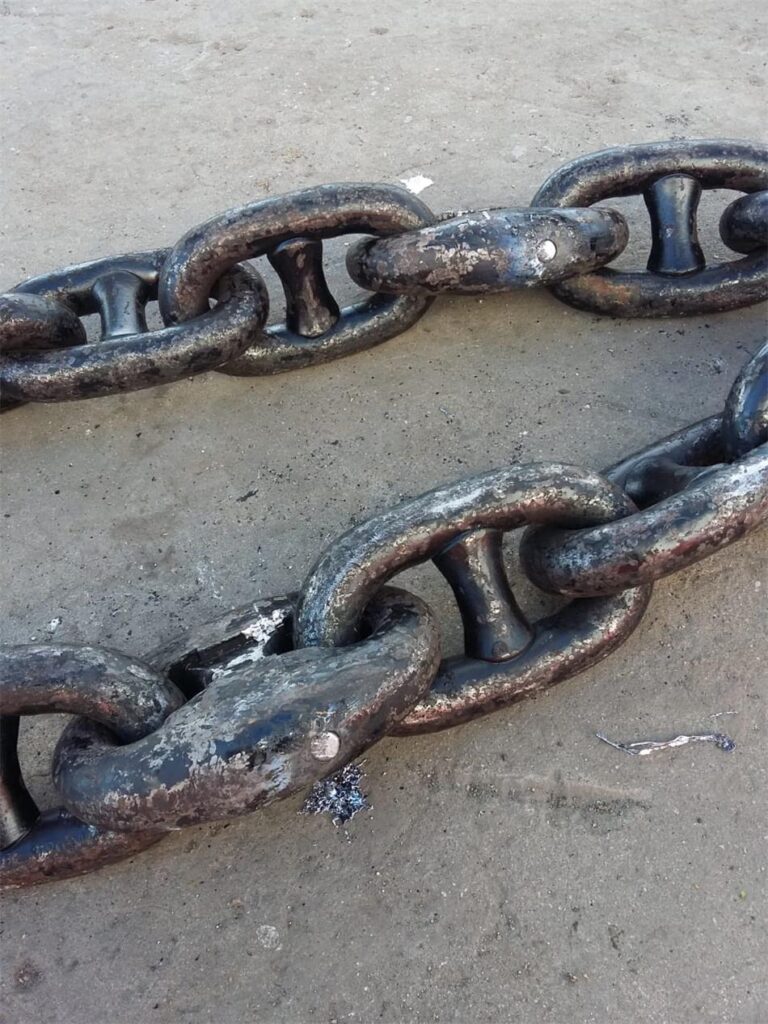

Anchor chains are commonly available in two configurations:
- Stud Link Anchor Chains
- Studless Anchor Chains
For many marine projects, Studless Anchor Chains are selected because they offer:
- Lower weight
- Easier handling
- Simplified manufacturing
- Competitive procurement costs
As a result, studless chains are widely used across ships, floating facilities, and general-purpose marine applications.
Selecting the appropriate chain type is often just as important as selecting the correct diameter.
Corrosion Protection Can Significantly Influence Service Life
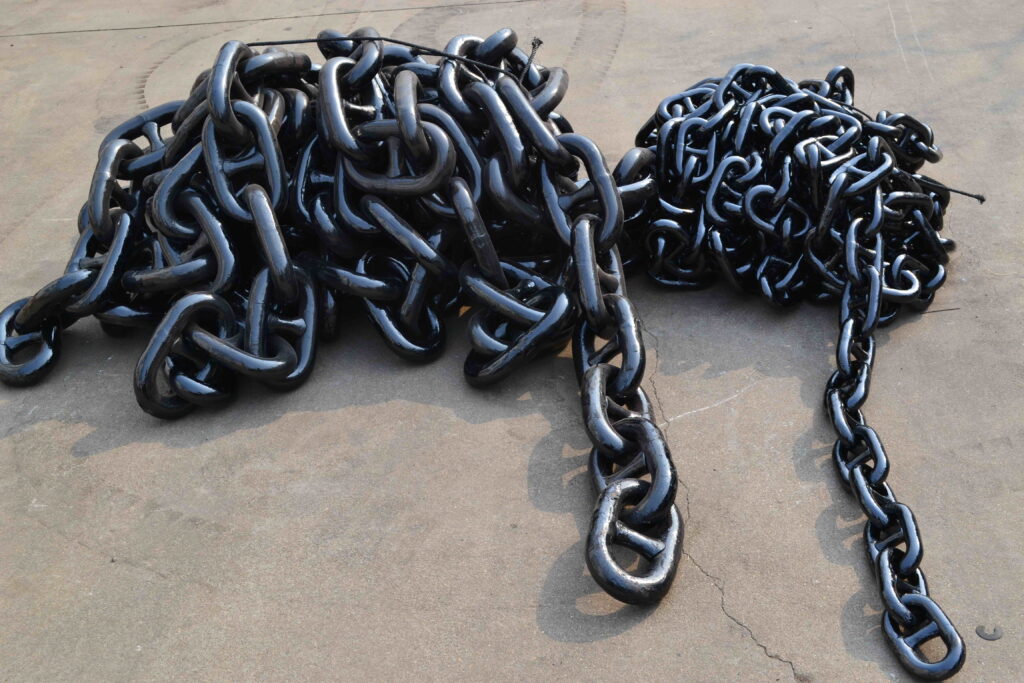
Marine environments expose steel components to continuous moisture, saltwater, and outdoor conditions.
For this reason, corrosion protection is frequently specified during the procurement stage.
Hot-dip galvanized anchor chains can provide:
- Improved corrosion resistance
- Reduced maintenance requirements
- Extended service life
- Better suitability for long-term outdoor exposure
Reviewing corrosion protection requirements before production helps ensure that the selected chain is appropriate for the intended operating environment.
Documentation and Certification Requirements Should Be Confirmed Early
Anchor chain specifications are not limited to physical dimensions.
Depending on project requirements, buyers may also require:
- Mill Certificates
- CCS Certification
- LR Certification
- DNV Certification
- ABS Certification
Confirming documentation requirements before manufacturing begins helps avoid delays and ensures compliance with project specifications or classification requirements.
This review process is often an important part of project quality control and Testing & Inspection procedures.
An Australian Project Example


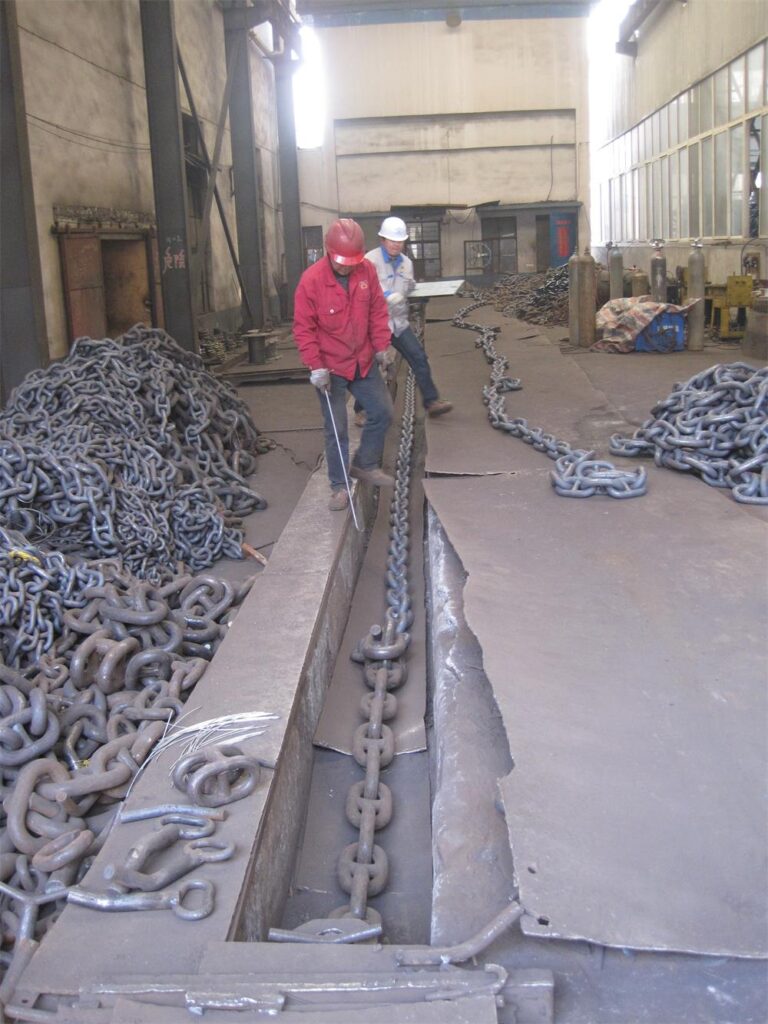
YT Marine recently supplied hot-dip galvanized Studless Anchor Chains for a ship project in Australia.
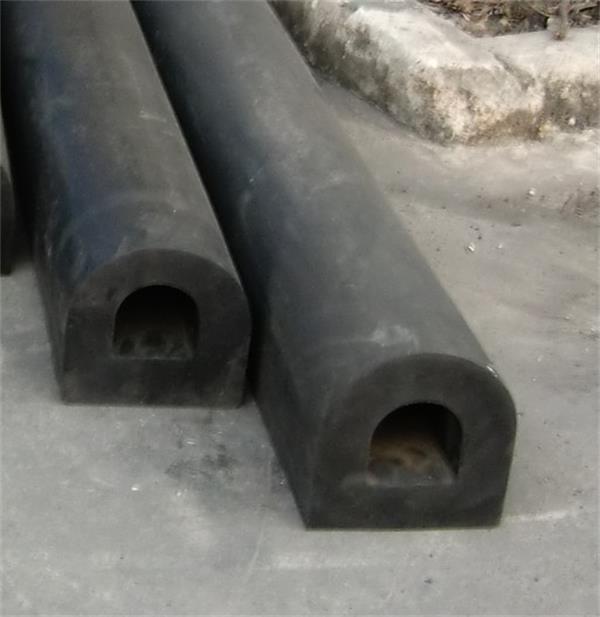
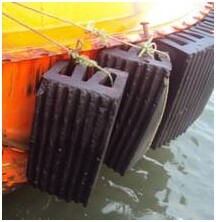
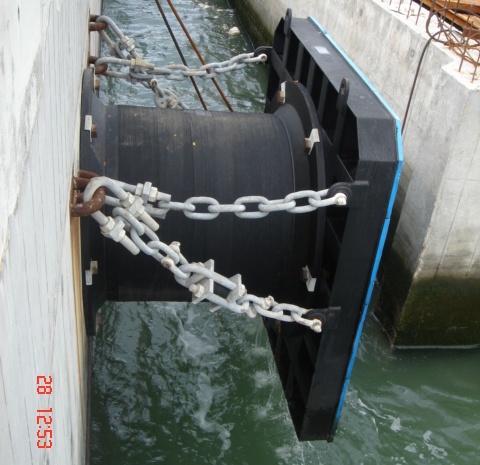
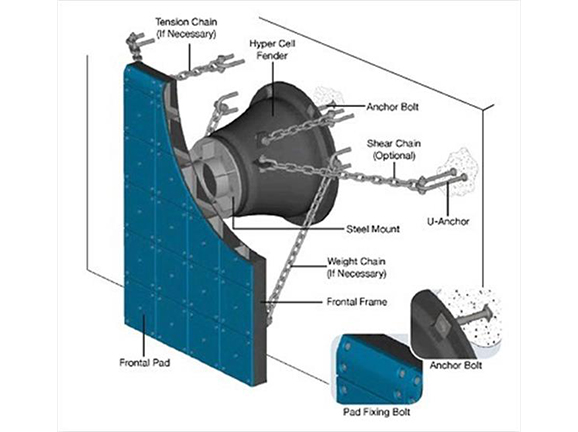
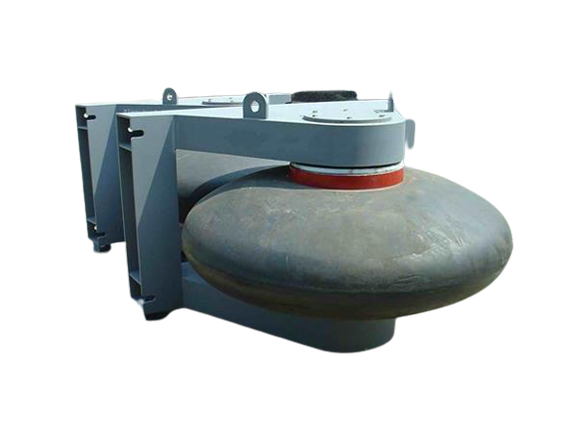
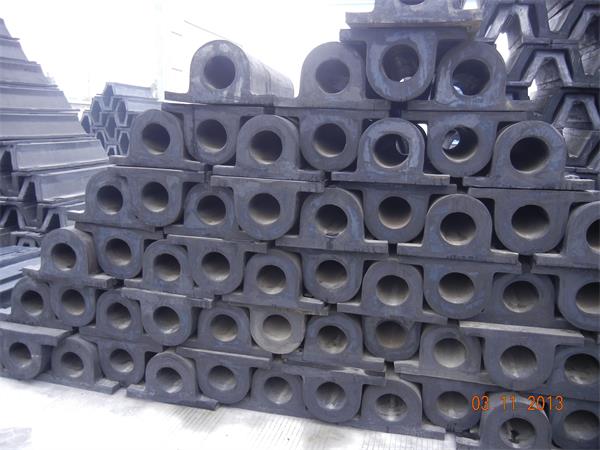
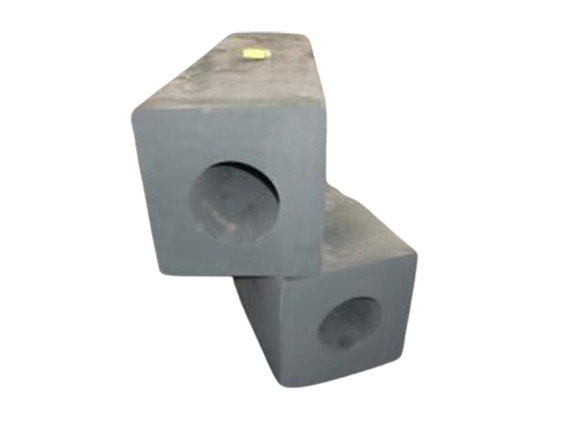
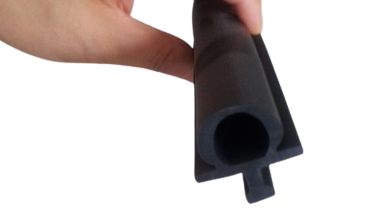
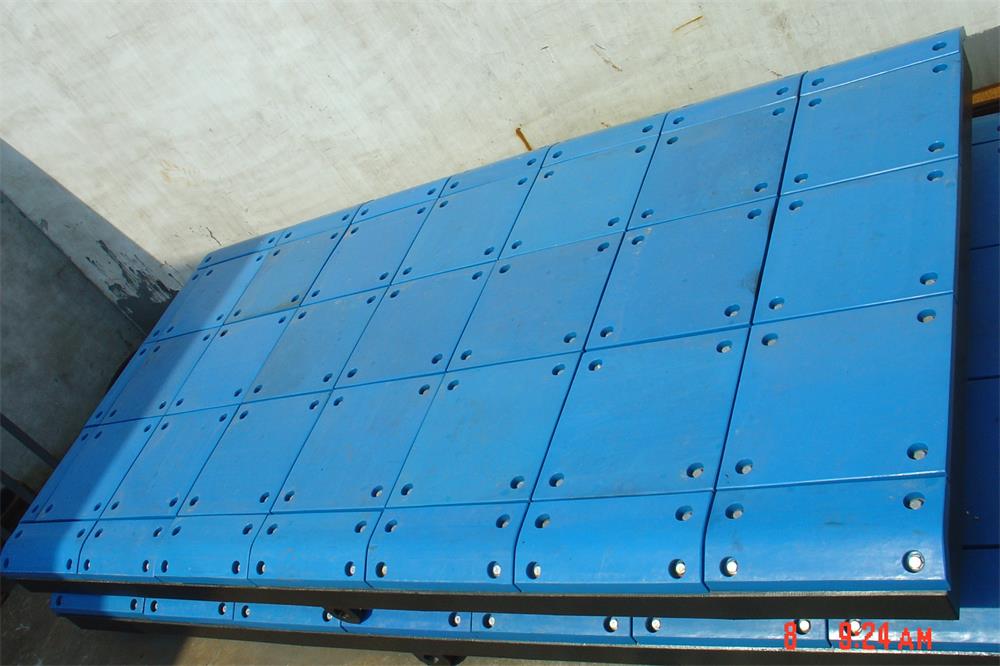
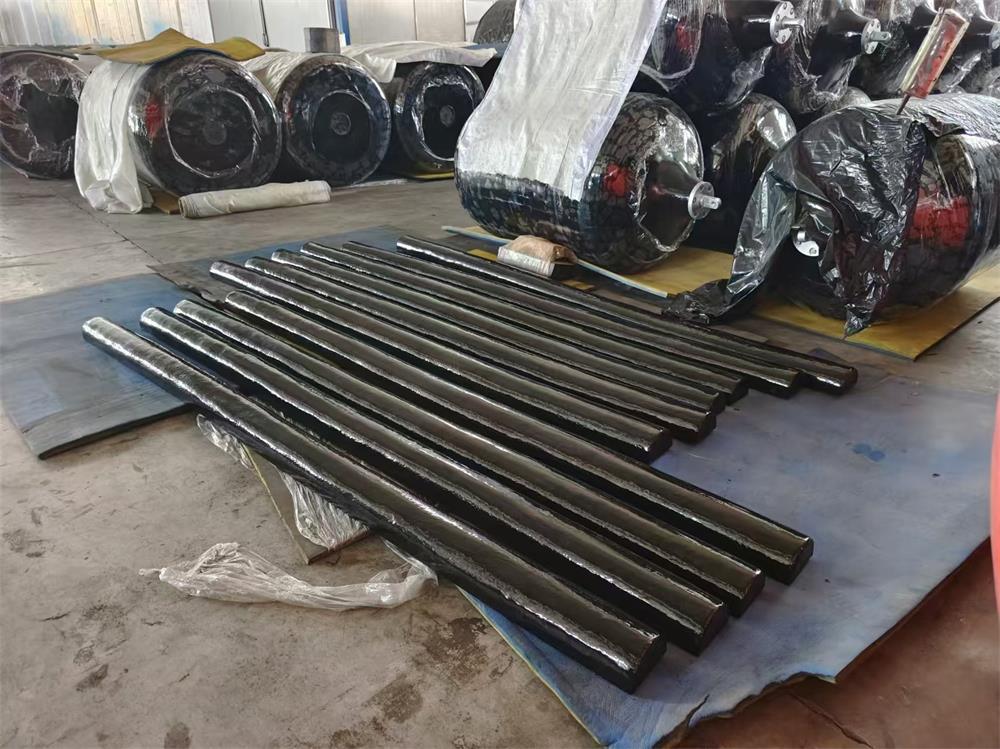
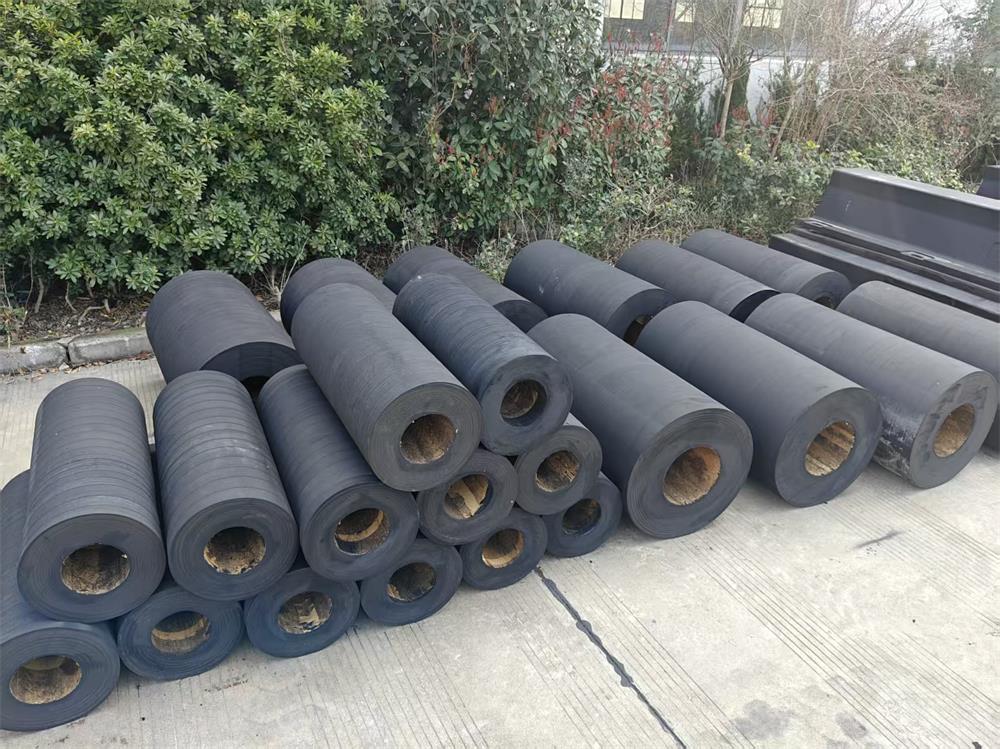
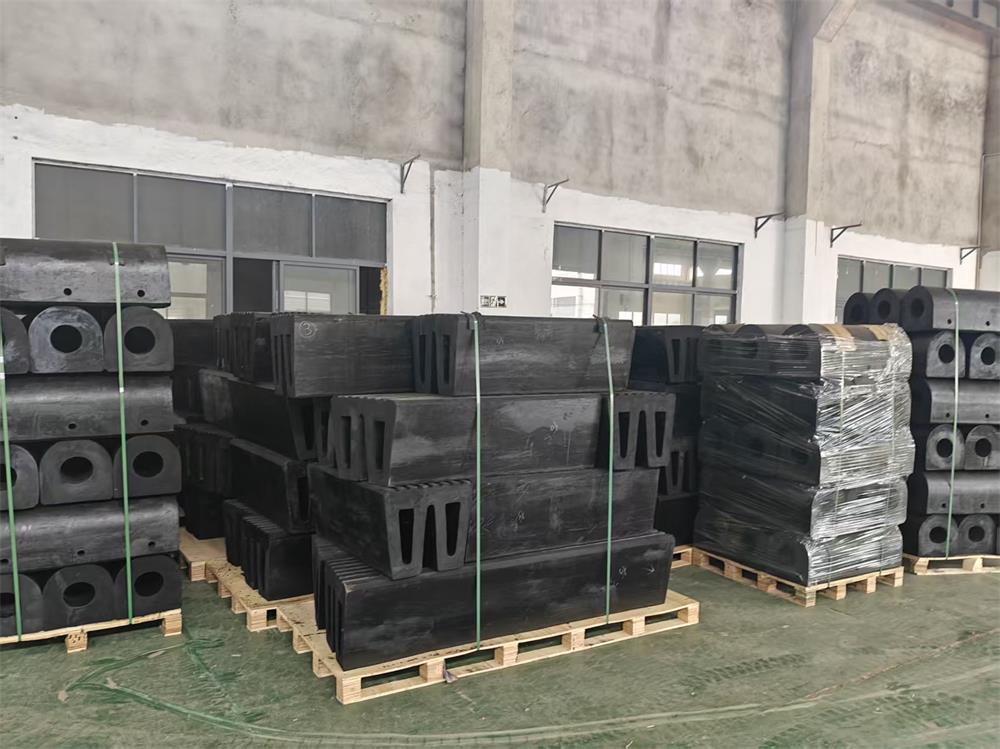
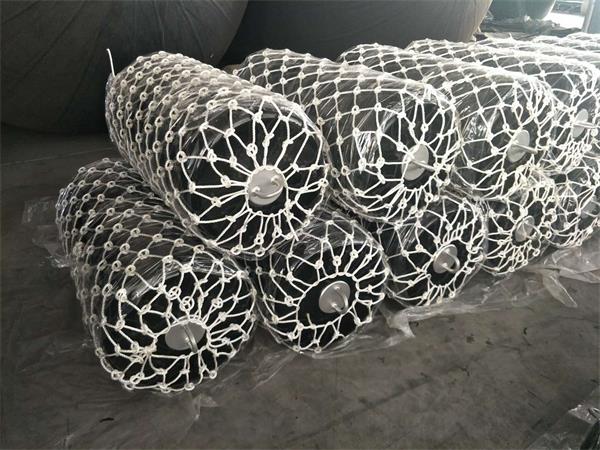
The order included both 14 mm and 16 mm chain sizes and was supplied together with D Rubber Fenders as part of the same marine project package.
Before production, chain specifications, galvanization requirements, and documentation requirements were reviewed to ensure that the products matched the client’s application and procurement requirements.
The project demonstrates an important point: successful anchor chain selection involves more than choosing a diameter. Chain type, corrosion protection, certification requirements, and application conditions all contribute to long-term performance and procurement efficiency.
You can read the full 16 mm Anchor Chain for Australian Ship Project Case Study here.
Conclusion
Anchor chain selection involves much more than choosing a chain diameter.
Factors such as chain type, corrosion protection, certification requirements, and operating conditions can all influence the suitability of an anchor chain for a specific project.
By reviewing specifications before production and confirming documentation requirements early, project teams can improve procurement efficiency and reduce the risk of issues later in the supply process.
For many marine projects, selecting the right anchor chain is ultimately about ensuring that the entire system is prepared for long-term service in the marine environment.