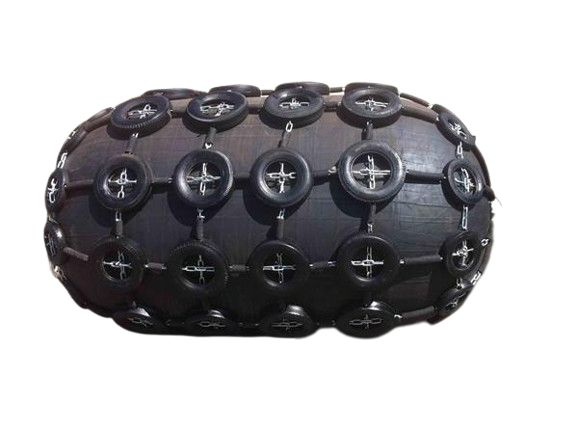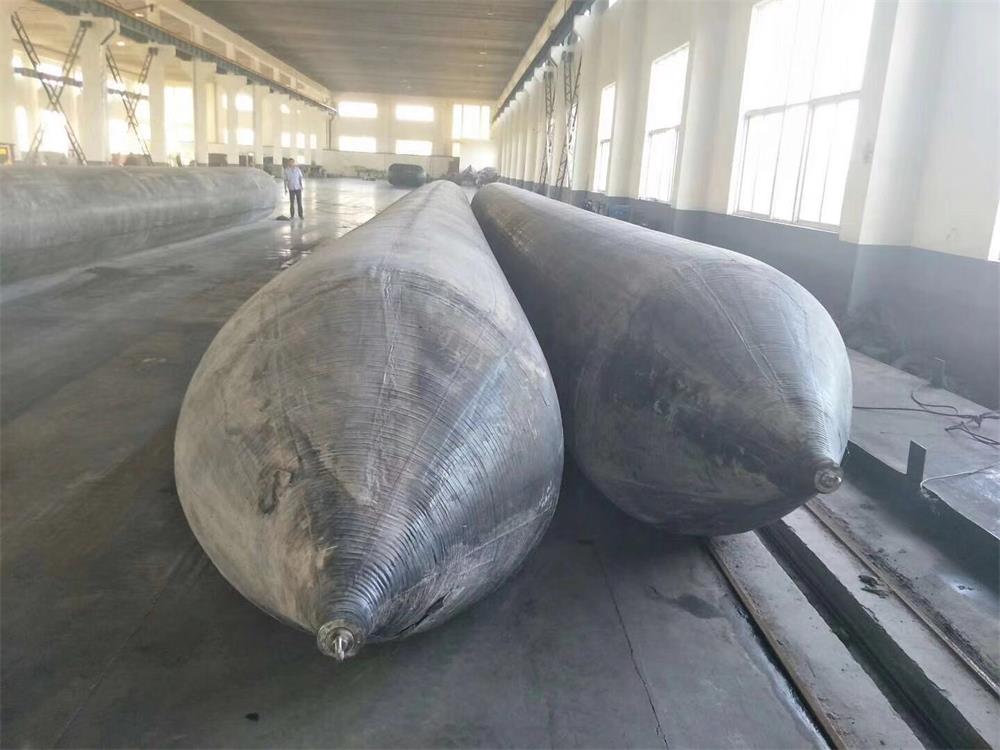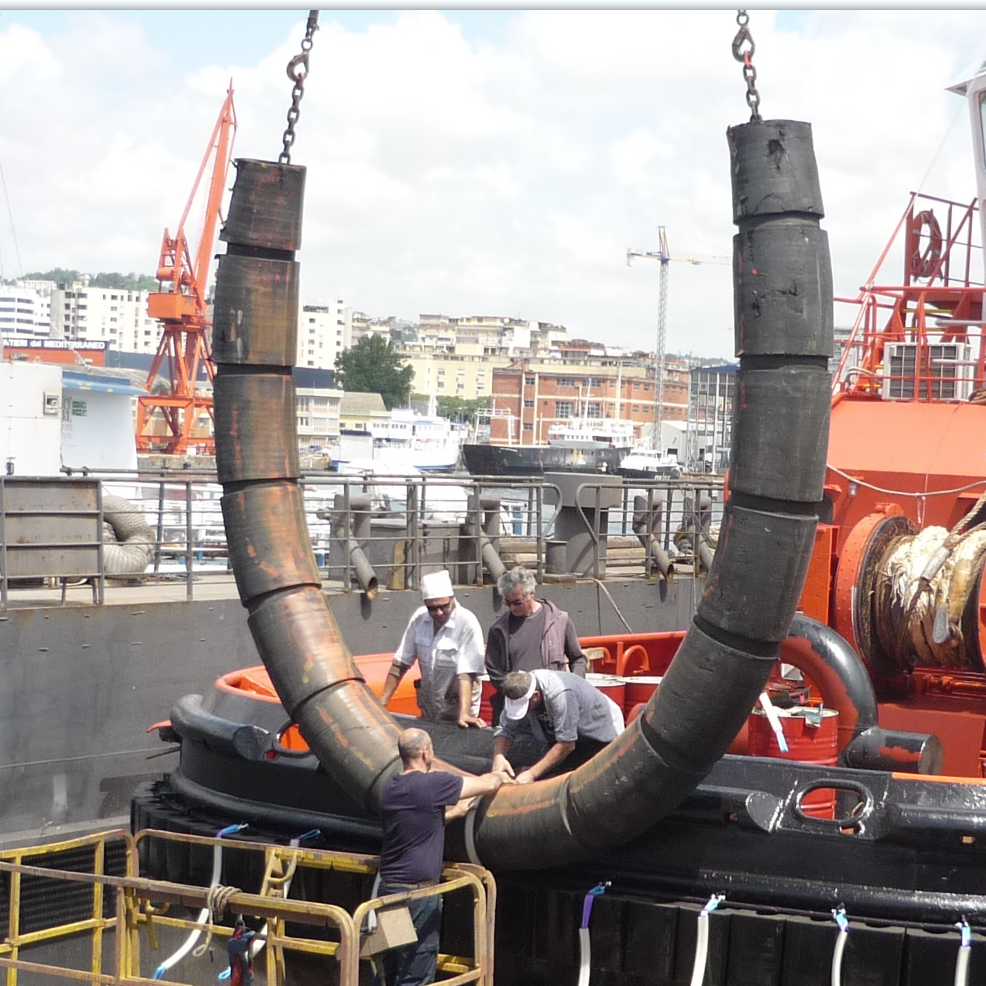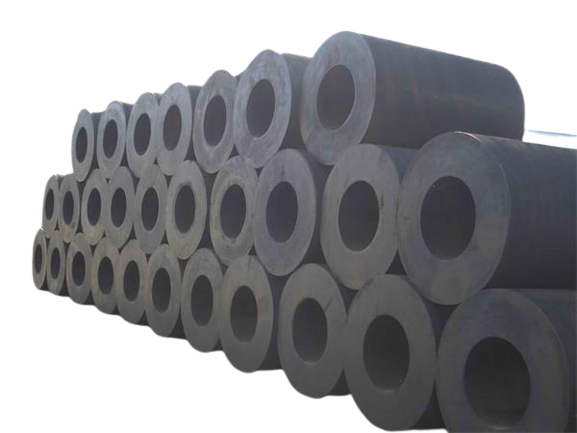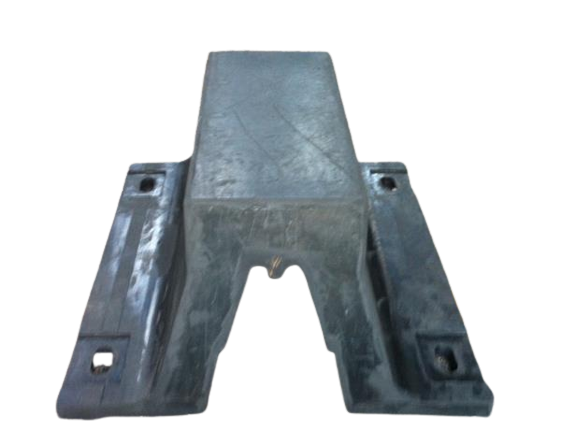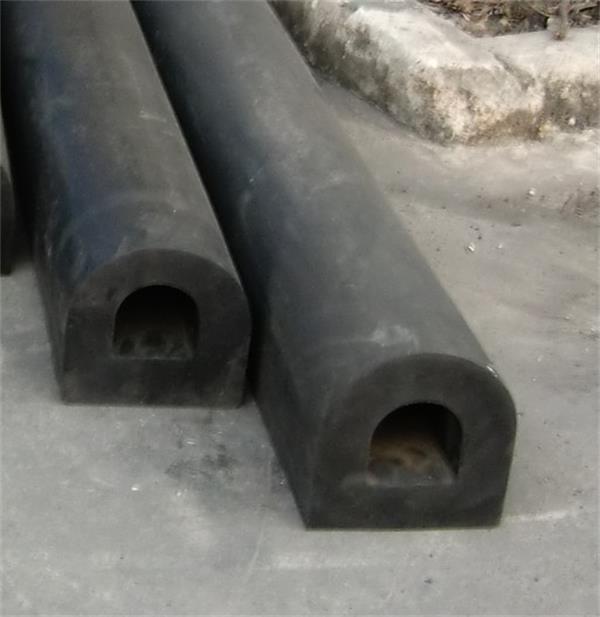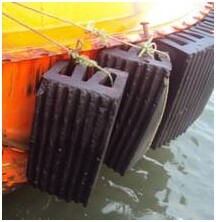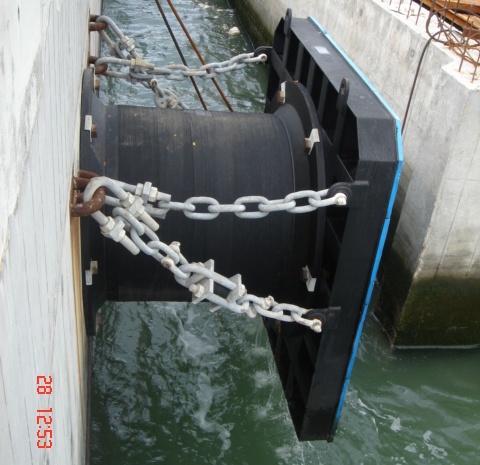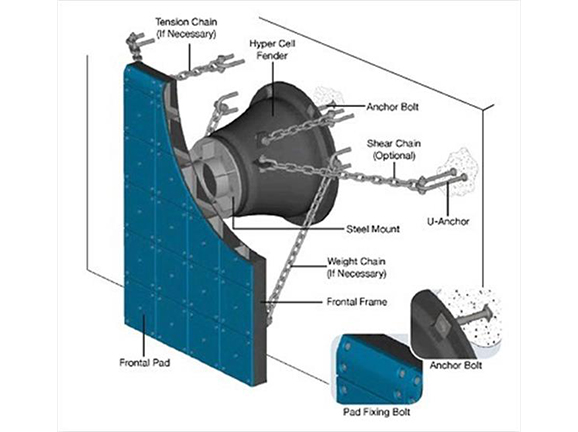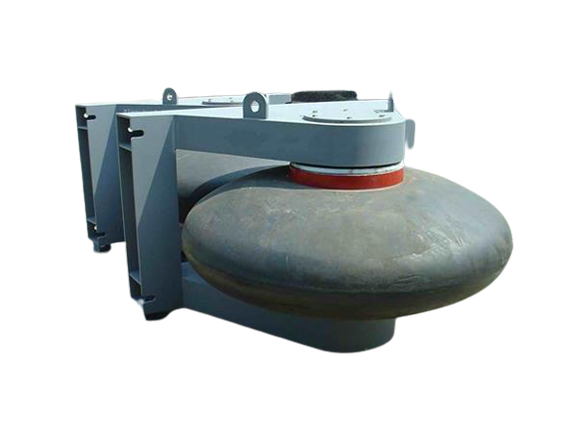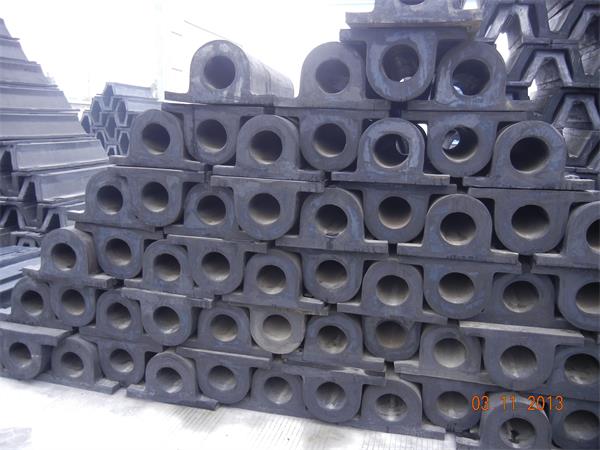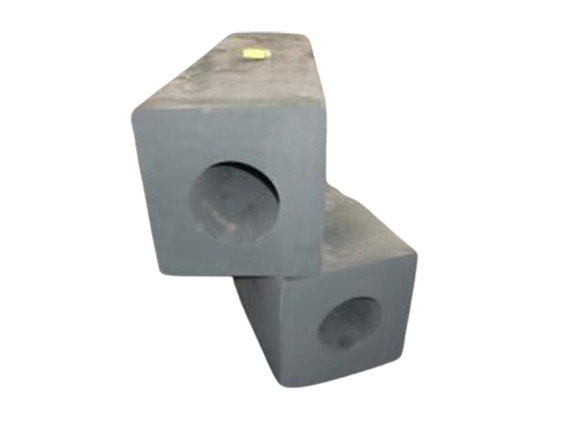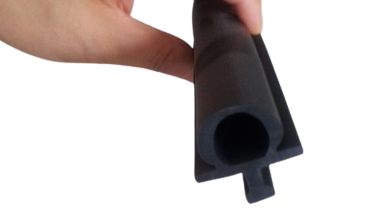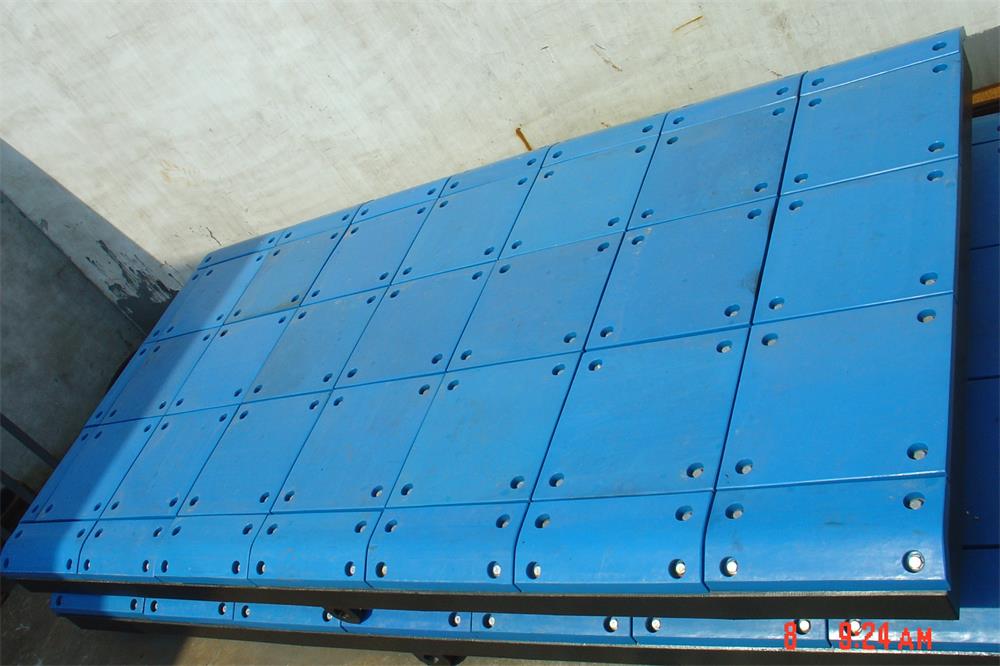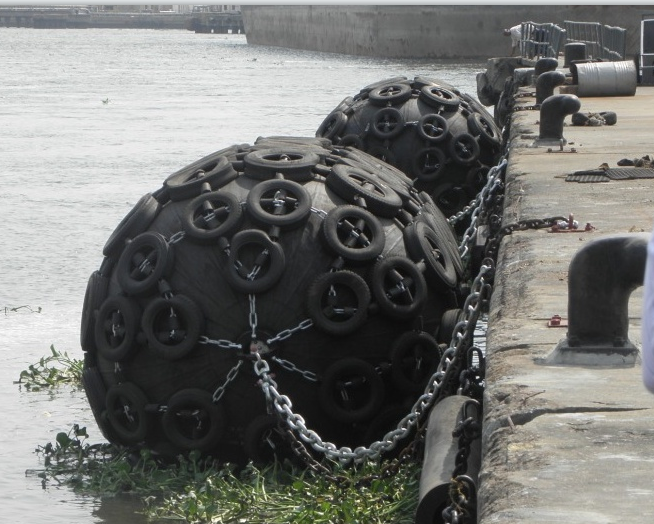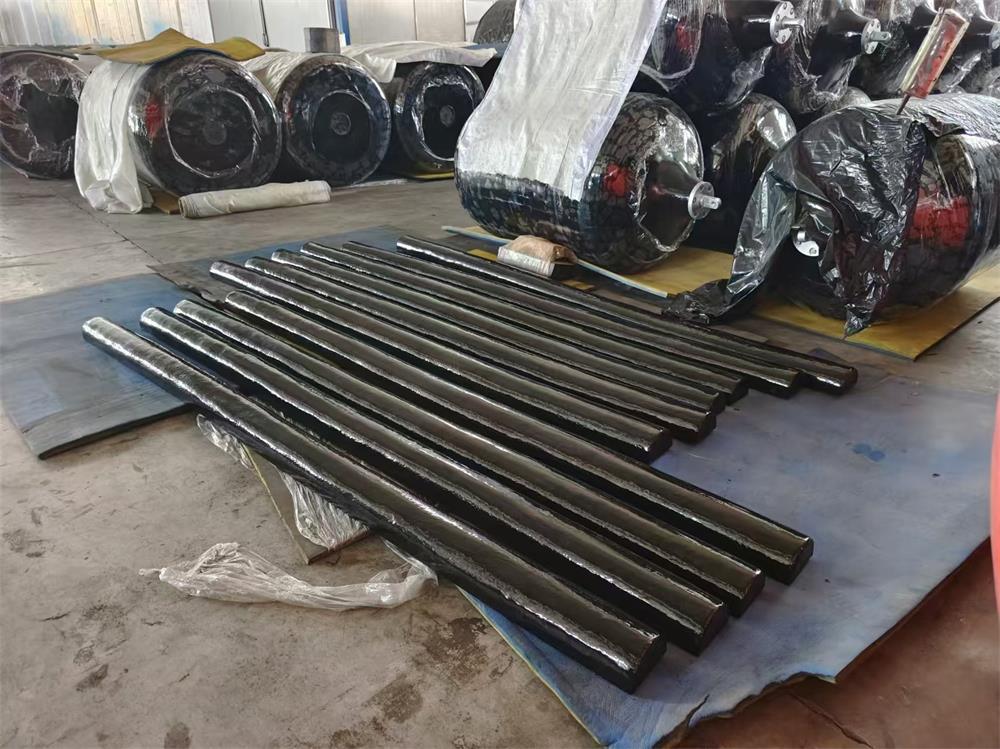
When selecting a marine fender, it is common to begin with standard sizes and profiles. Standard products simplify procurement, reduce lead times, and provide proven performance across a wide range of applications.
However, many marine projects involve installation constraints, vessel configurations, or operating conditions that standard products were never designed to address.
In practice, vessel protection requirements vary considerably from one project to another. Factors such as vessel geometry, available installation space, berthing frequency, and environmental conditions can all influence the most suitable solution.
As a result, a standard marine fender is often only the starting point rather than the final answer. In many cases, the most effective approach is a customized marine fender system designed around the actual requirements of the project.
Vessel Protection Requirements Vary from Project to Project
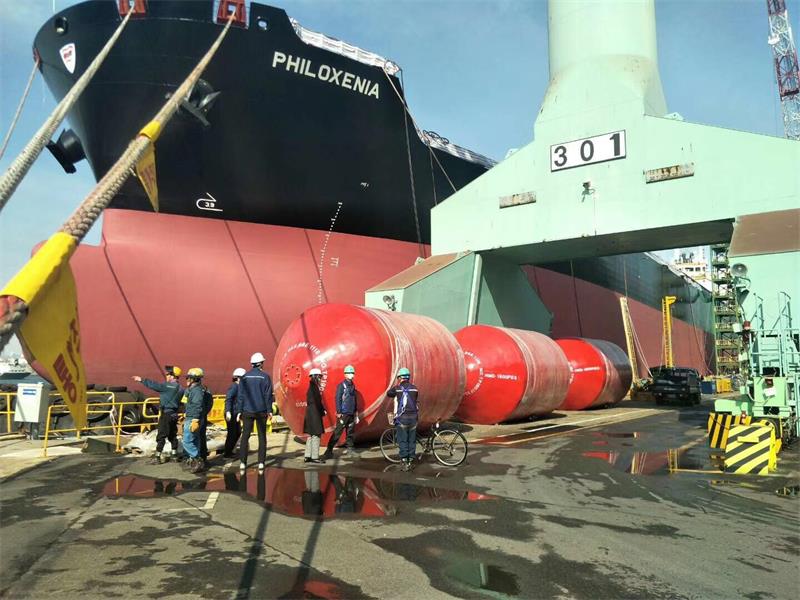
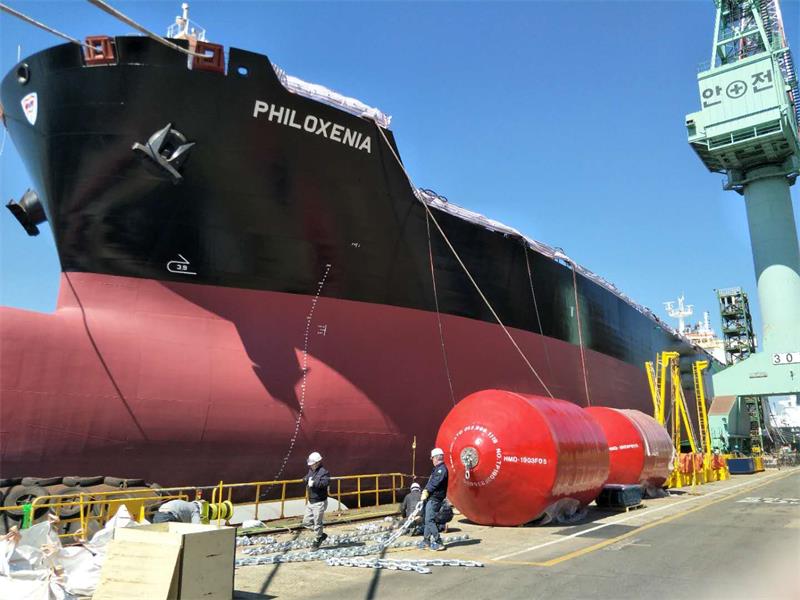
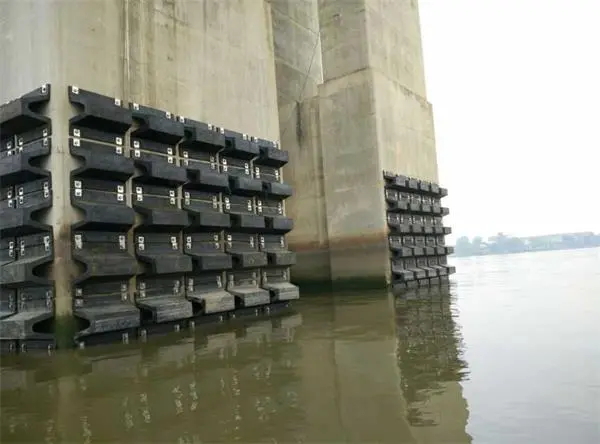
Marine fenders are used in many different environments, including:
- Vessel side protection
- Workboats and service vessels
- Floating structures
- Dock edges and loading areas
- Industrial and marine facilities
Although these applications may appear similar, the operating requirements behind them can be very different.
Factors such as vessel size, contact area, berthing frequency, and structural limitations all affect the type and configuration of fender required. A solution that performs well in one location may not be suitable for another.
This is one reason why customization is common in marine protection projects.
Why Dimensions Matter
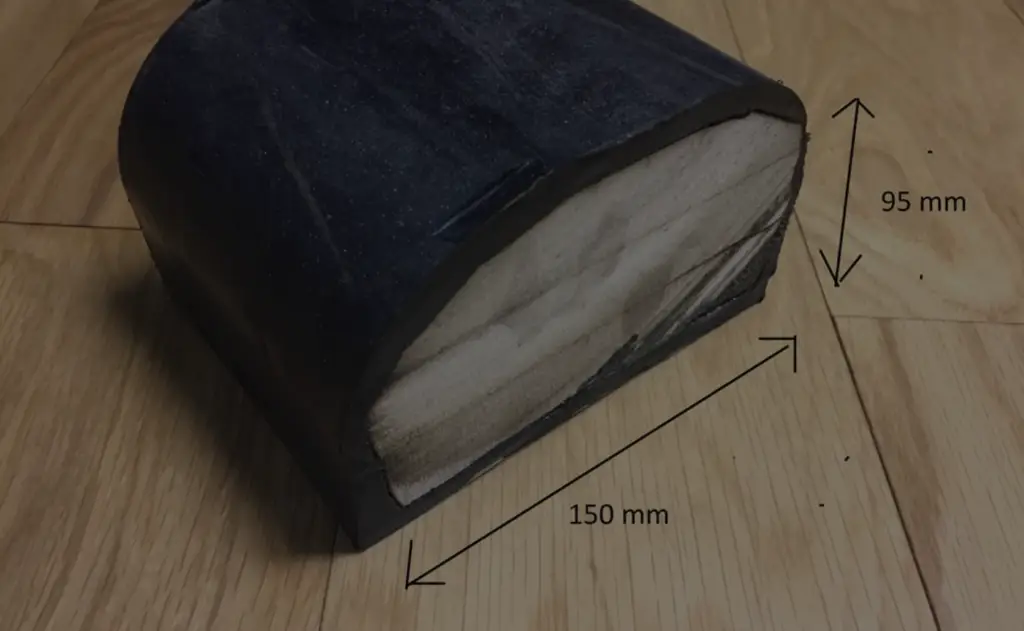
One of the most common reasons for modifying a standard fender is dimensional requirements.
Standard catalog sizes are designed to cover a broad range of applications, but project conditions often require specific dimensions to achieve the desired level of protection.
For example:
- Limited installation space may require a specific profile size.
- Vessel geometry may require a particular contact area.
- Existing structures may restrict mounting locations.
- Operational requirements may favor longer or shorter fender sections.
Selecting the correct dimensions helps distribute impact loads effectively while ensuring that the fender can be installed and maintained without difficulty.
Even relatively small dimensional changes can have a significant impact on performance and practicality.
Material Selection Is Equally Important
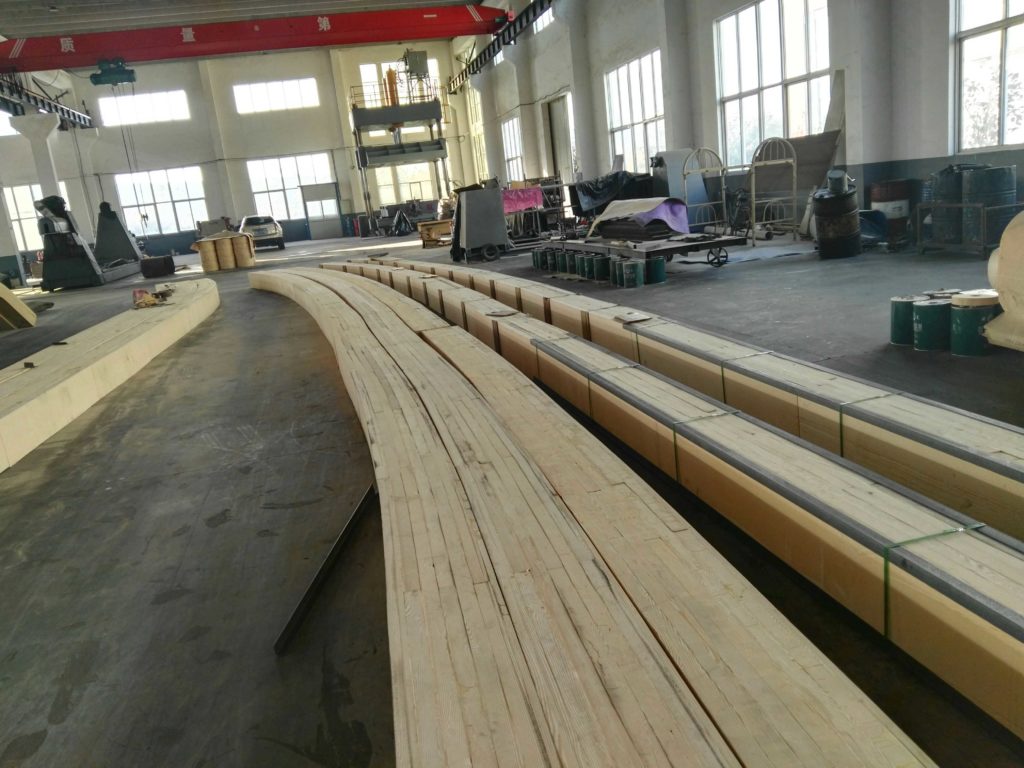
Dimensions are only part of the equation. Material selection also plays an important role in determining long-term performance.
Different materials offer different characteristics in terms of:
- Energy absorption
- Weight
- Durability
- Maintenance requirements
- Environmental resistance
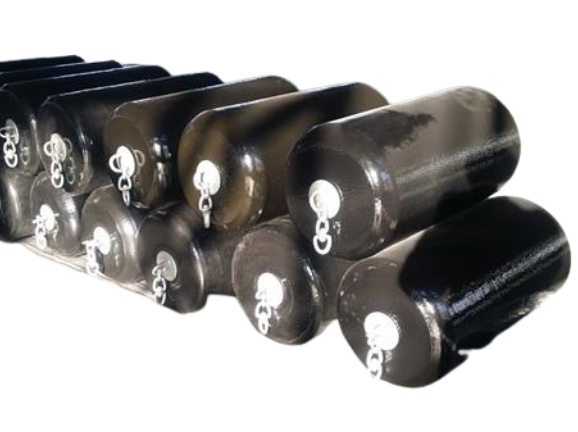
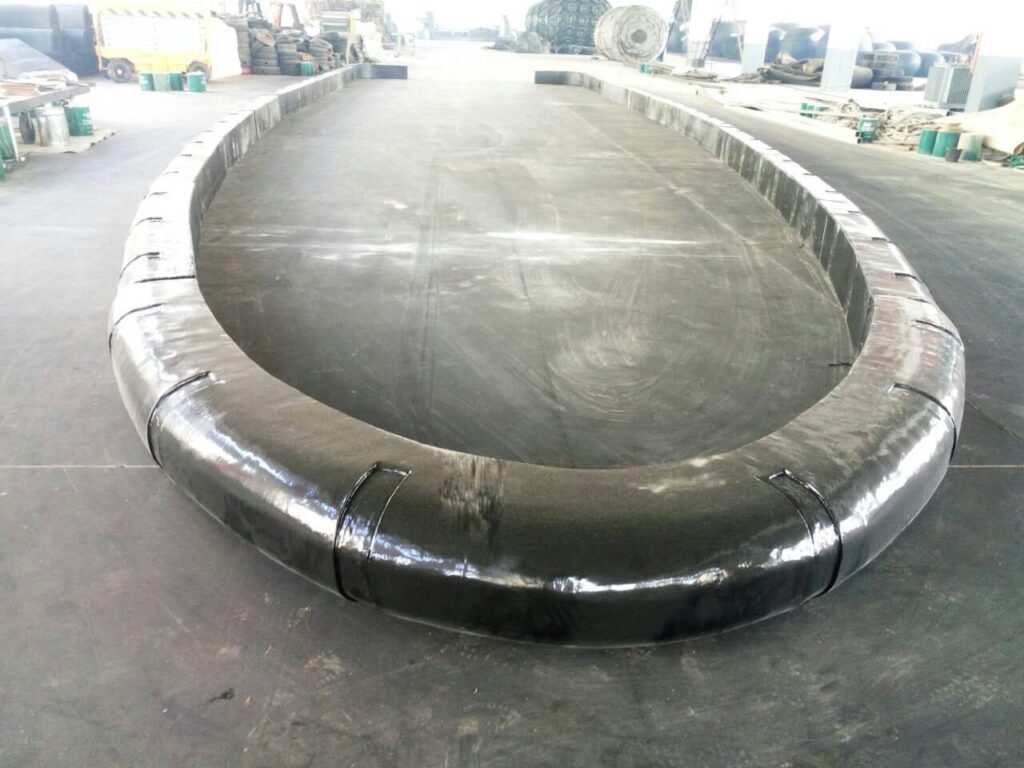
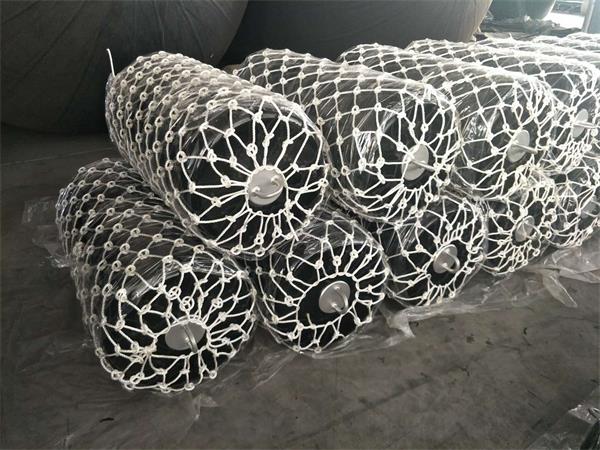
Foam-filled marine cushions, for example, are often selected where lightweight construction and resilient impact protection are important. Their foam core and protective outer coating provide a combination of flexibility and durability that can be advantageous in certain vessel protection applications.
The most suitable material depends on how and where the fender will be used rather than relying on a one-size-fits-all solution.
Custom Solutions Are Common in Marine Projects
Many marine construction and vessel protection projects require modifications to standard products.
These adjustments may include:
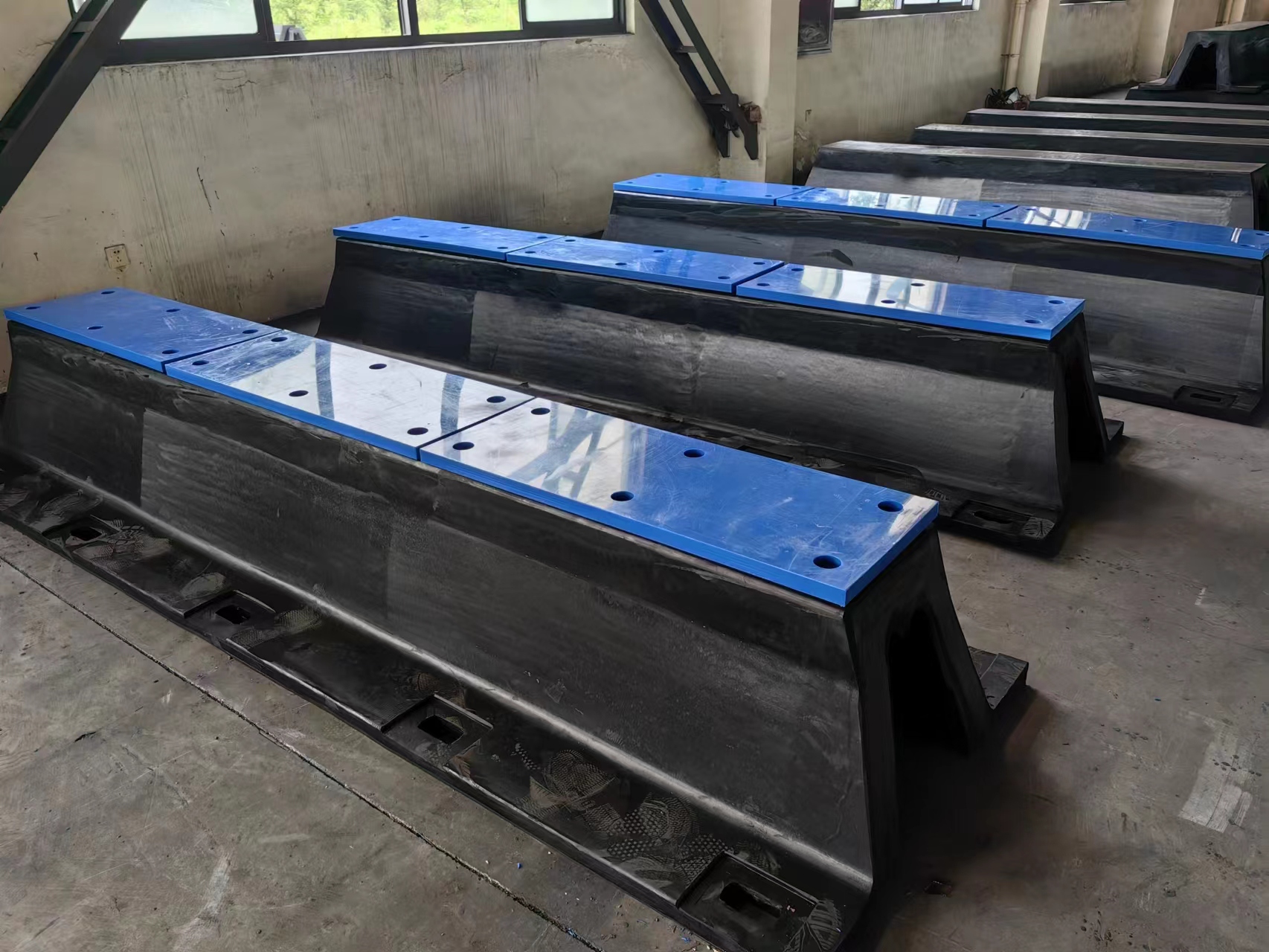
- Custom dimensions
- Project-specific lengths
- Alternative mounting arrangements
- Special surface coatings
- Customized colors and markings
The objective is not to create a completely different product, but to ensure that the fender system matches the actual conditions of the project.
In many cases, relatively minor modifications can simplify installation, improve durability, and provide more effective protection over the long term.
A Practical Example from Malaysia
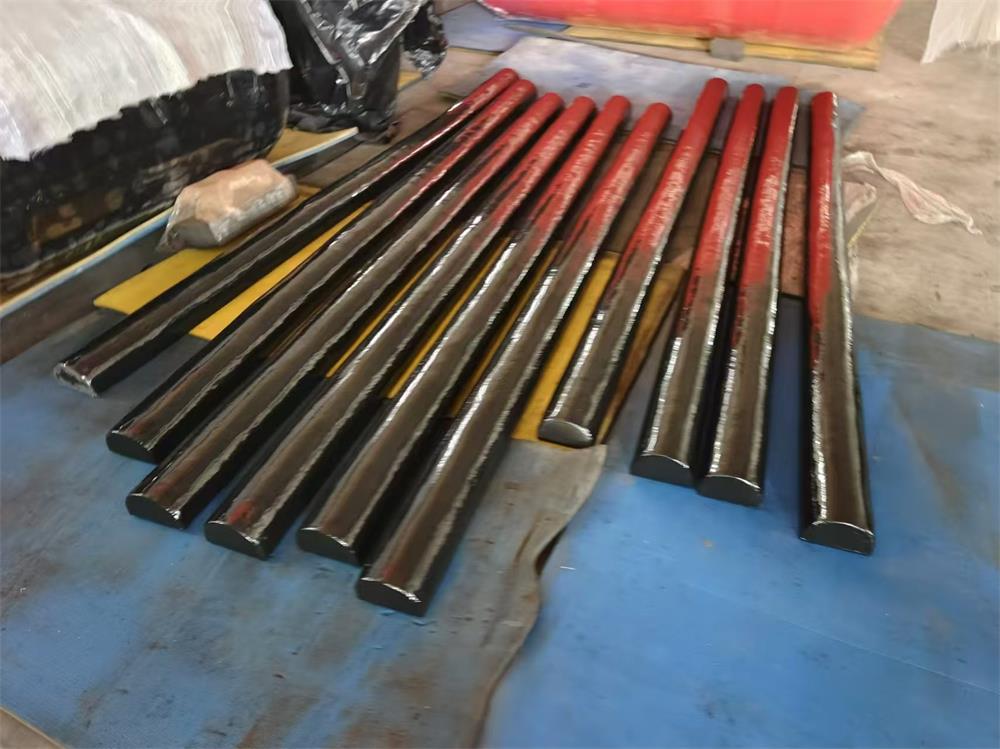
A recent project for a returning client in Malaysia illustrates this approach.
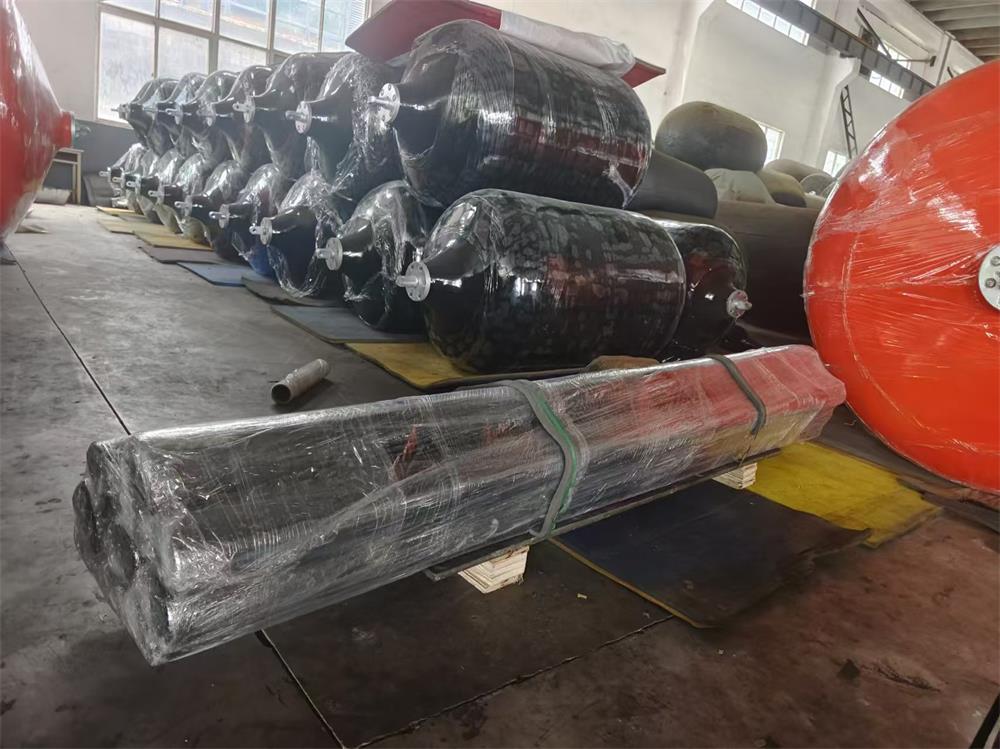
The project involved foam-filled marine cushions manufactured in D150×95 mm profiles with a length of 3 meters to meet the client’s specific vessel protection requirements.The cushions utilized an EVA foam core with a protective SPUA coating and were produced according to the client’s required size specifications.
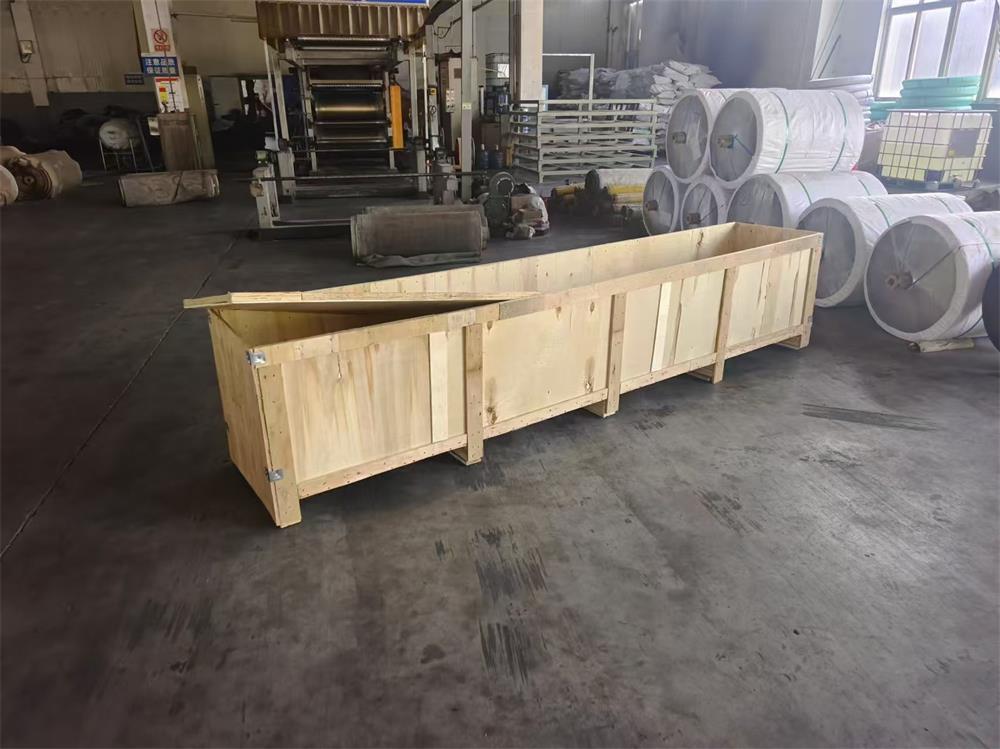
In addition to manufacturing requirements, transportation considerations also played a role in the final solution. Packaging arrangements were reviewed and adjusted to better suit the planned shipping route and handling requirements before export.
Rather than selecting a standard off-the-shelf product, the project focused on providing a fender solution that matched the client’s operational needs, installation conditions, and logistical requirements.
You can read the full Foam-Filled Marine Cushion Project Case Study here.
Conclusion
Standard marine fenders remain an effective solution for many applications. However, real-world marine projects do not always fit standard specifications.
Differences in vessel design, installation constraints, operating conditions, and performance requirements frequently make customization necessary. Whether through modified dimensions, material selection, or installation details, the goal is to ensure that the marine fender system fits the application rather than forcing the application to fit the product.
For many marine projects, the most effective solution is not simply selecting a standard fender from a catalog, but developing a vessel protection solution that reflects the realities of the operating environment. A properly designed system can improve performance, simplify installation, and support the long-term reliability of dock protection systems and other marine infrastructure.