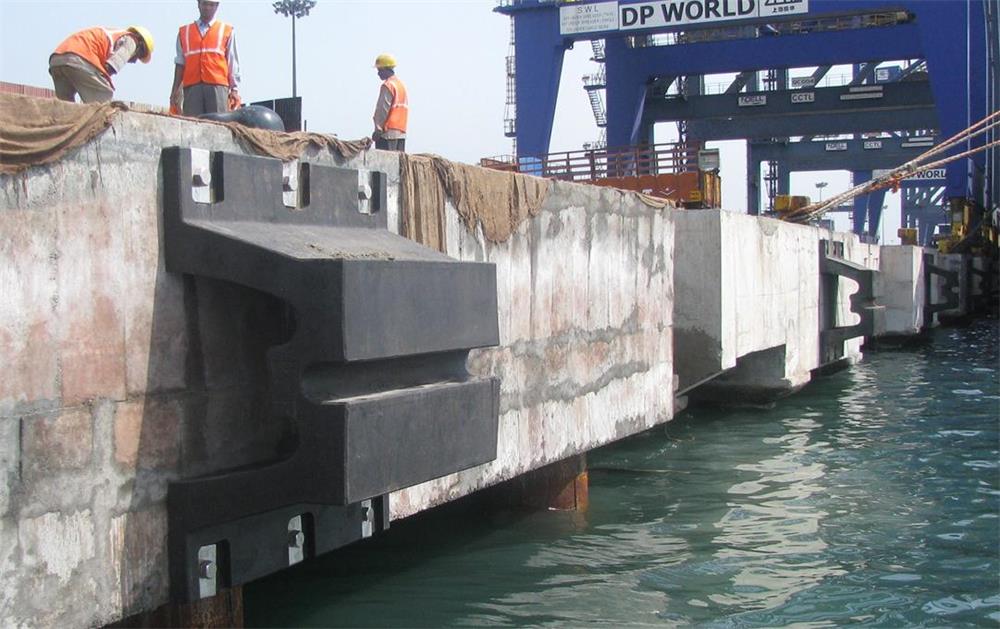
When planning a new berth or upgrading an existing one, engineers typically focus on selecting the correct fender type and bollard capacity. However, many installation problems arise not because the equipment itself is unsuitable, but because the overall berth layout was not fully considered during the design stage.
Marine fenders, bollards, and anchor systems all occupy the same operating area. If these components are planned independently, conflicts may appear during installation or operation, leading to additional site work, higher costs, and maintenance challenges.
For ports, industrial terminals, fishing harbors, and coastal infrastructure projects, coordinating these systems early can help avoid many common problems.
Fenders and Bollards Work as One Berthing System
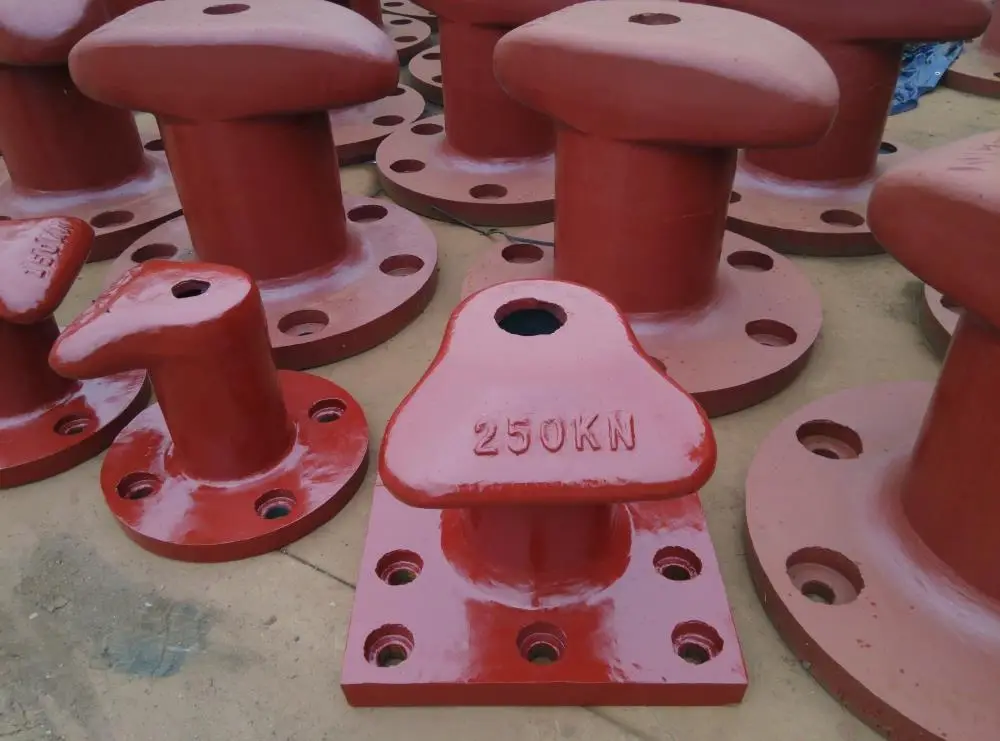
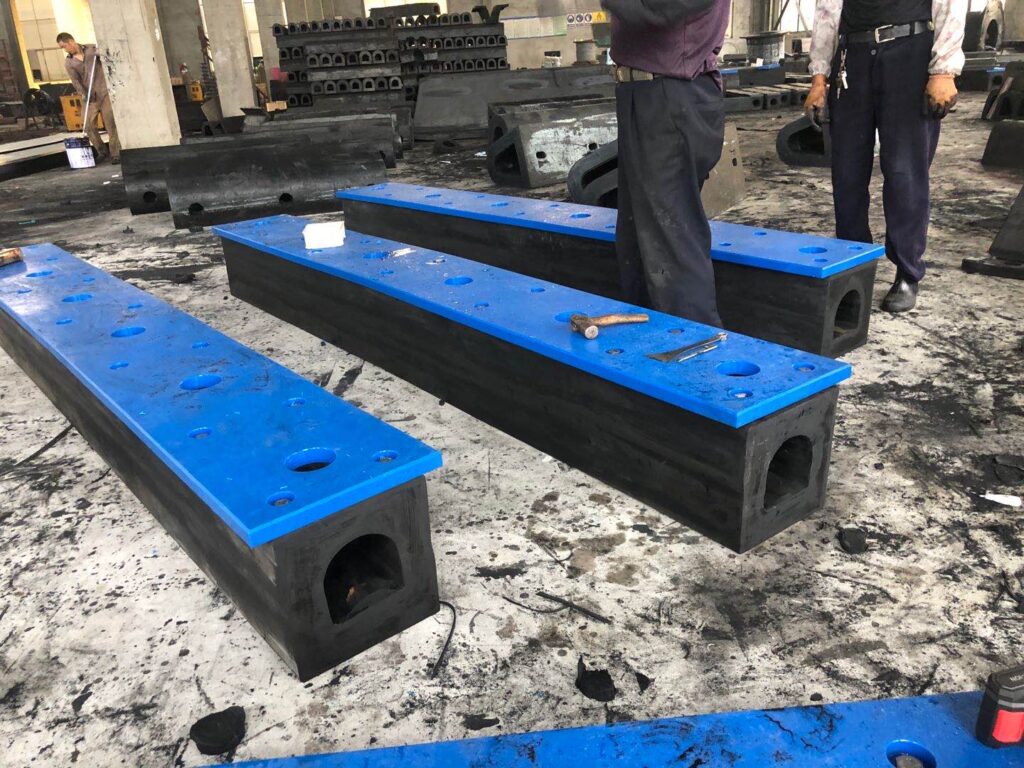
Although fenders and bollards perform different functions, they are part of the same berthing environment.
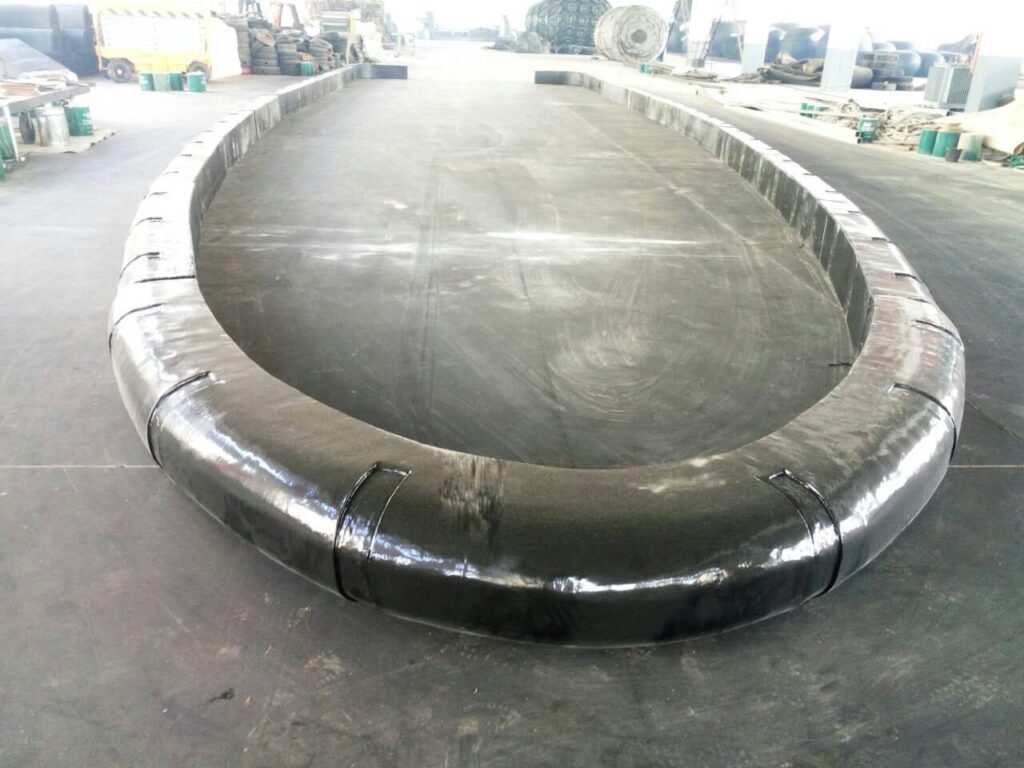
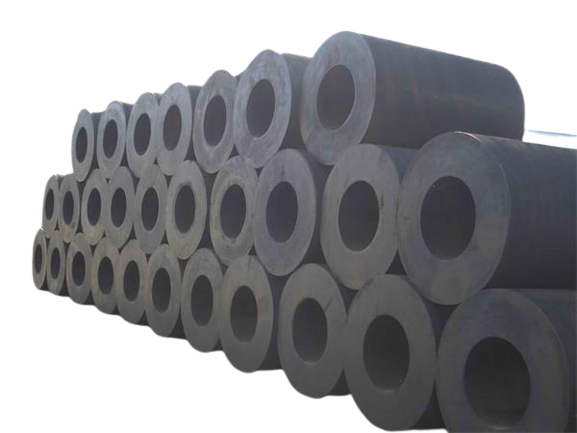
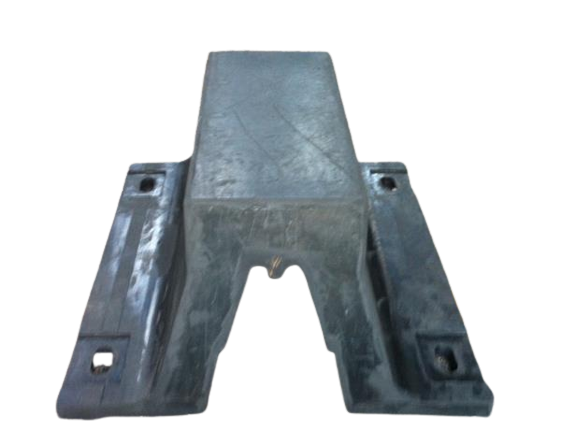
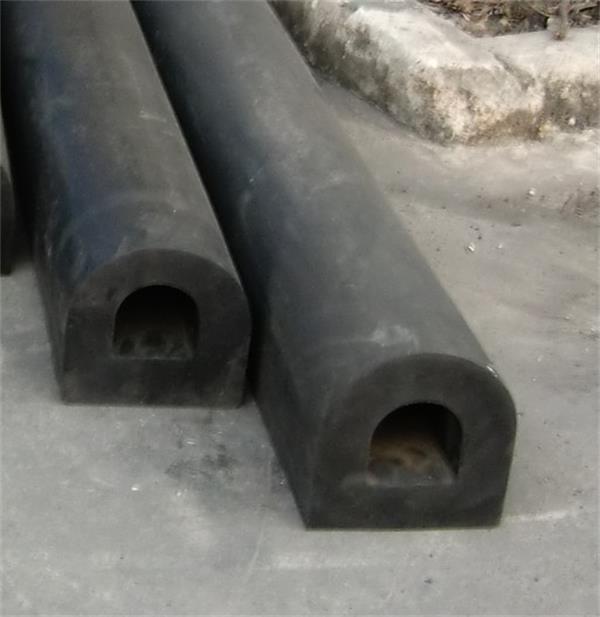
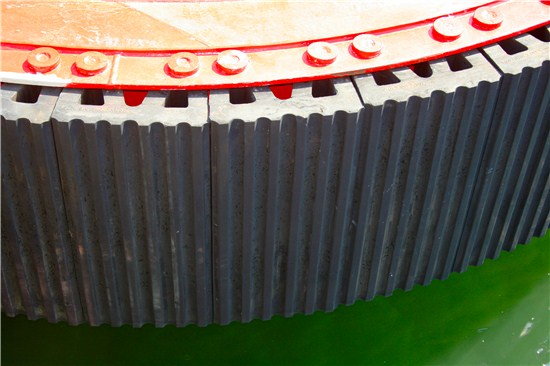
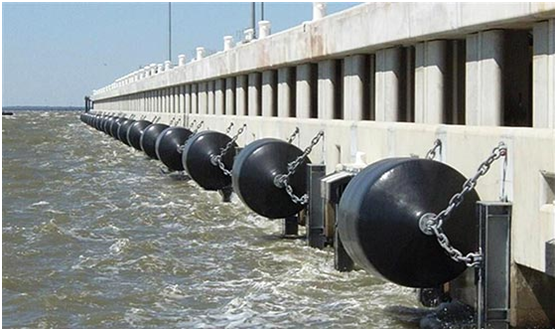
Fenders absorb berthing energy and protect both vessels and quay structures from impact. Bollards secure vessels after berthing and transfer mooring loads into the structure.
In practice, vessel movements, mooring line angles, equipment spacing, and maintenance access are all influenced by the relationship between these components. A well-designed berth considers not only the performance of individual products but also how they work together once installed.
Common Problems Caused by Poor Layout Planning
Insufficient Clearance Between Fenders and Bollards
One of the most common issues occurs when fenders and bollards are selected separately without considering their final positions.
If a bollard is located too close to a fender, mooring lines may rub against the fender surface or mounting hardware. This can create operational difficulties and accelerate wear on ropes and equipment.
Potential consequences include:
- Difficult line handling during mooring operations
- Increased wear on mooring ropes
- Restricted access for crew members
- Reduced operational efficiency
These issues are particularly common in retrofit projects where existing structural dimensions limit equipment placement.
Anchor Systems That Do Not Match Site Conditions
Marine infrastructure projects rarely follow identical site conditions.
Existing quay walls may have different concrete thicknesses, reinforcement layouts, or embedded structures that affect installation requirements. Standard anchor bolt configurations do not always fit these conditions.
As a result, engineers often need adjustments such as:
- Customized anchor bolt lengths
- Modified bolt-hole spacing
- Special anchor plate arrangements
- Site-specific embedded hardware
Addressing these requirements during the design stage is significantly easier than modifying equipment after production or delivery.
Maintenance Challenges After Installation
Maintenance access is often overlooked when equipment layouts are developed.
If fenders, bollards, and anchoring hardware are installed too closely together, routine inspection and replacement work can become difficult. Technicians may have limited access to bolts, anchor systems, or damaged components.
Considering maintenance requirements during the planning stage can reduce future downtime and simplify long-term asset management.
Why Customization Is Often Necessary
Unlike standardized industrial facilities, marine structures are highly site-specific.
Equipment selection is influenced by factors such as:
- Existing quay wall dimensions
- Vessel types and sizes
- Mooring arrangements
- Structural limitations
- Installation access
- Local construction practices
For this reason, many marine projects require modifications to standard products.
Typical adjustments may include:
- Custom bollard bolt-hole patterns
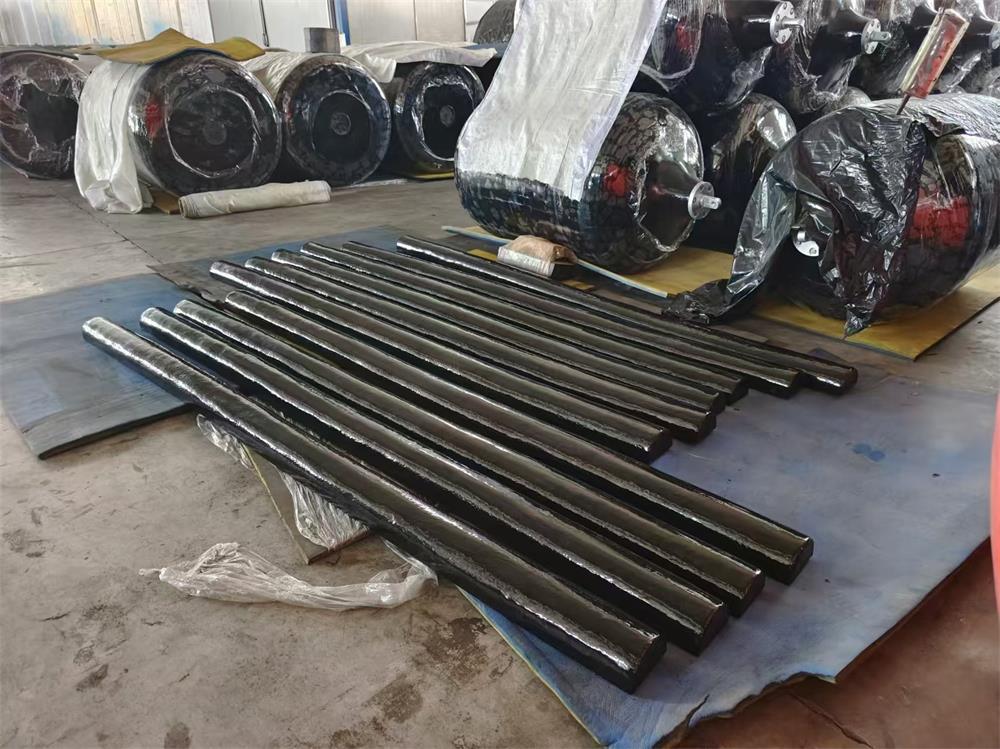
- Modified anchor bolt configurations
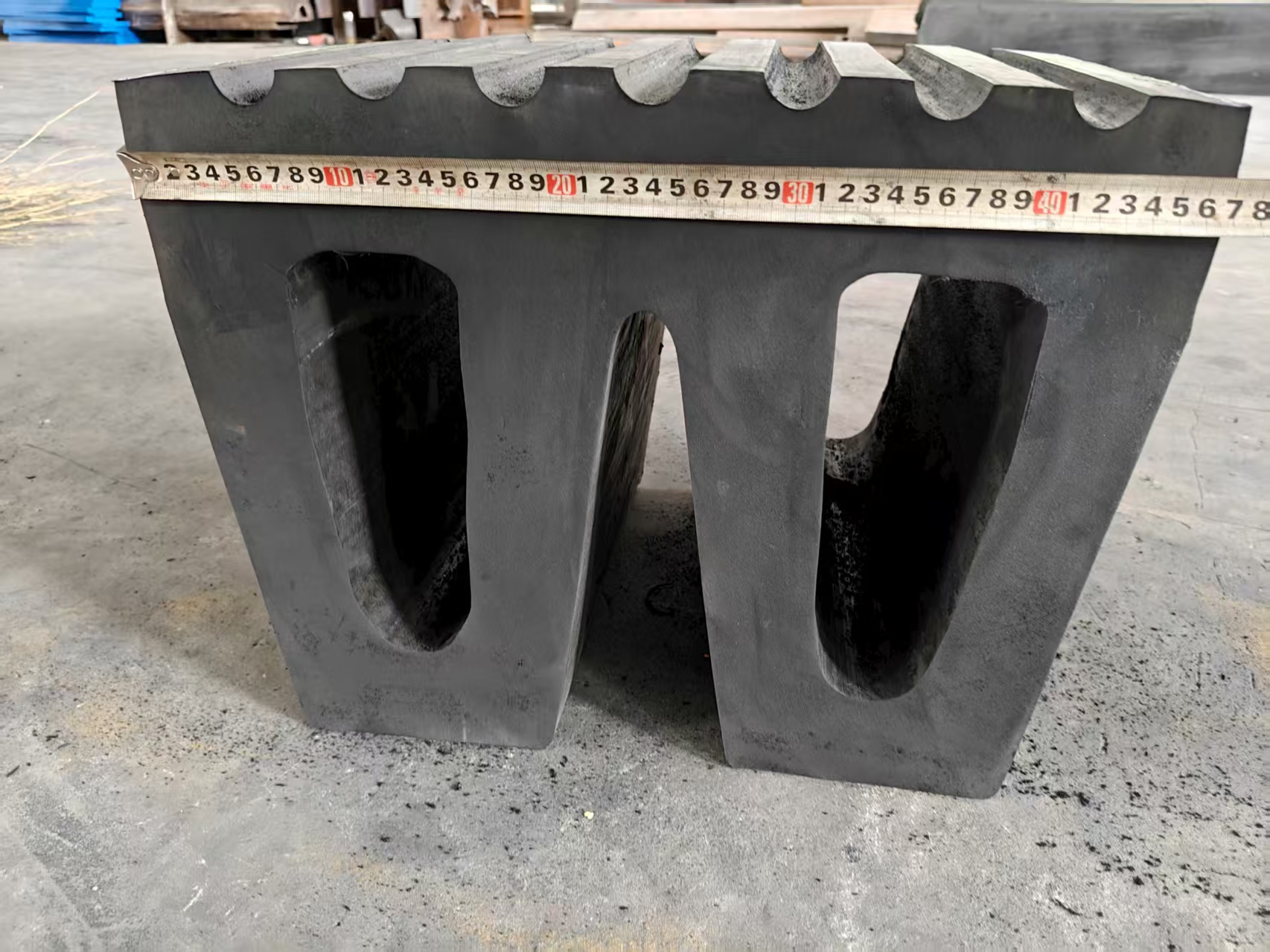
- Project-specific fender lengths
- Customized mounting arrangements
Rather than forcing a site to fit standard equipment, customized fabrication allows equipment to match actual project conditions.
A Practical Example from Peru
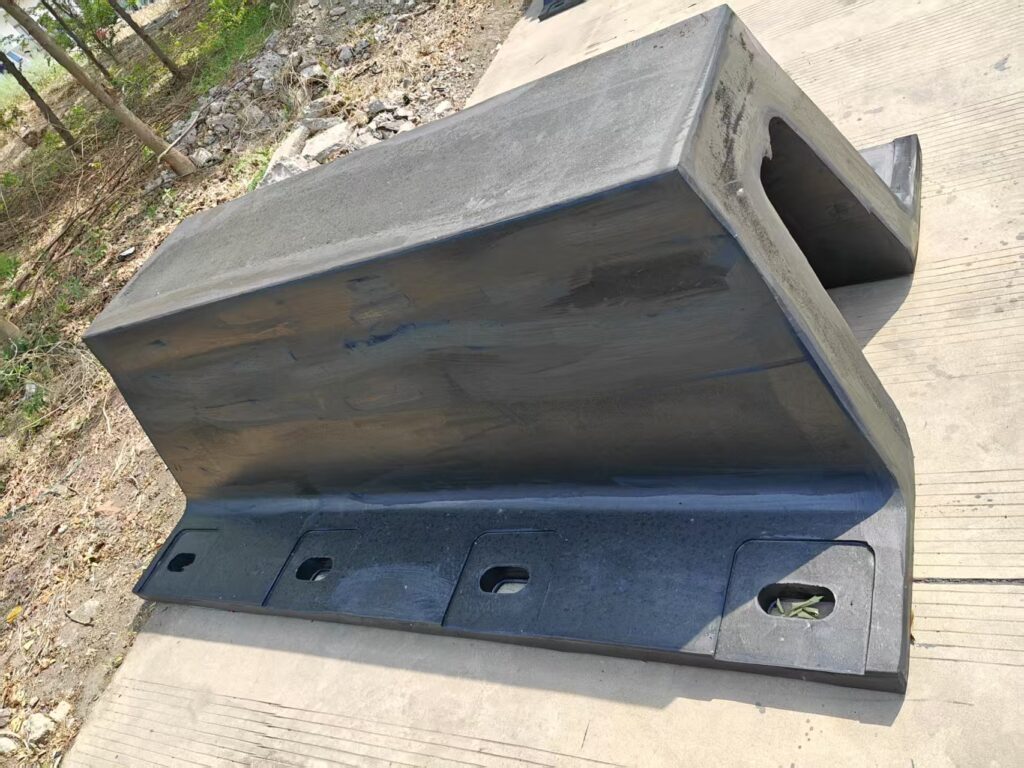
A recent project for a long-term client in Peru demonstrates why coordinated planning is important.
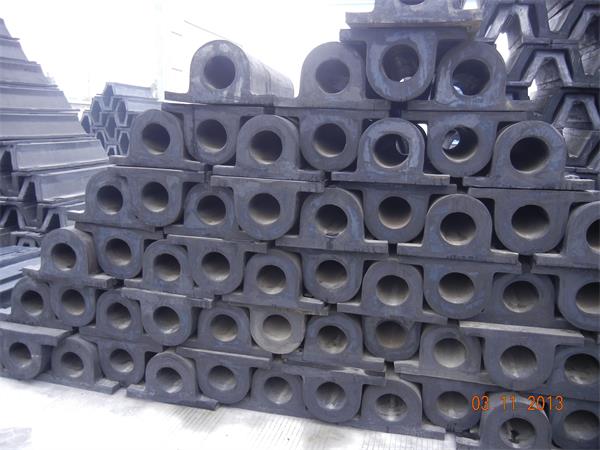
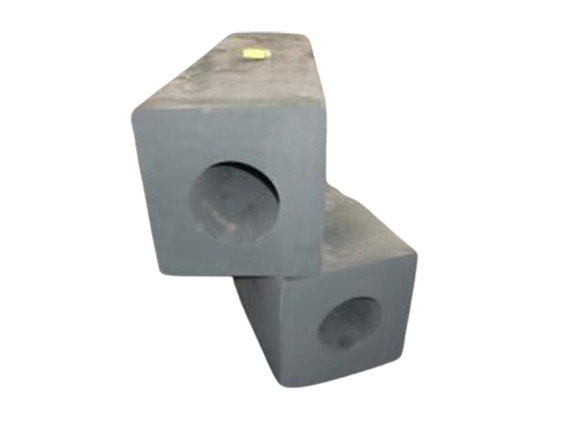
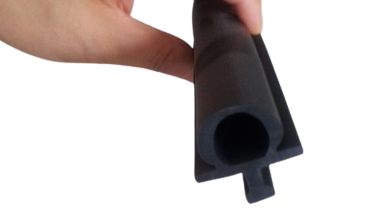
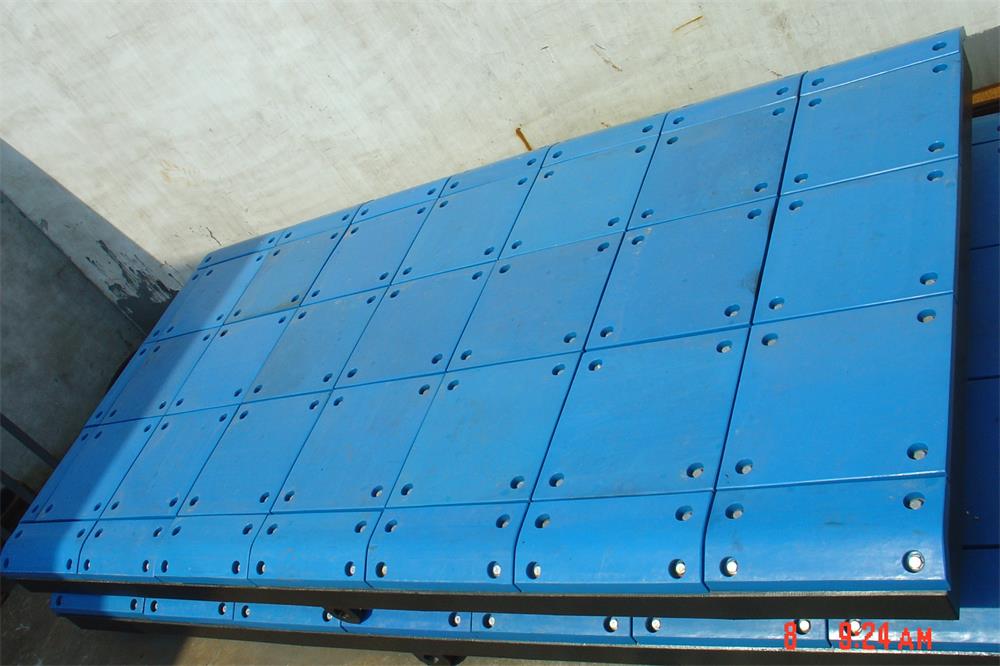
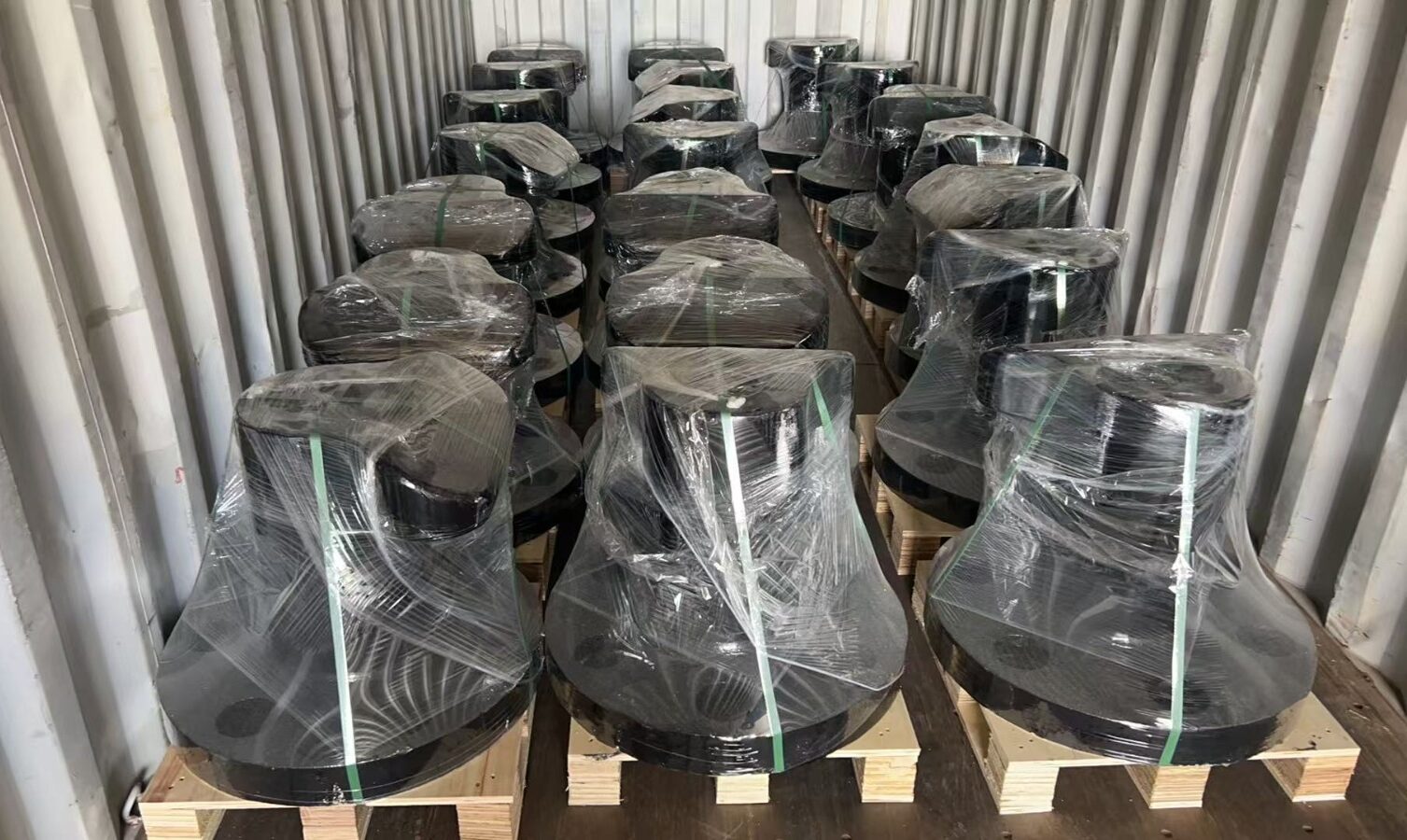
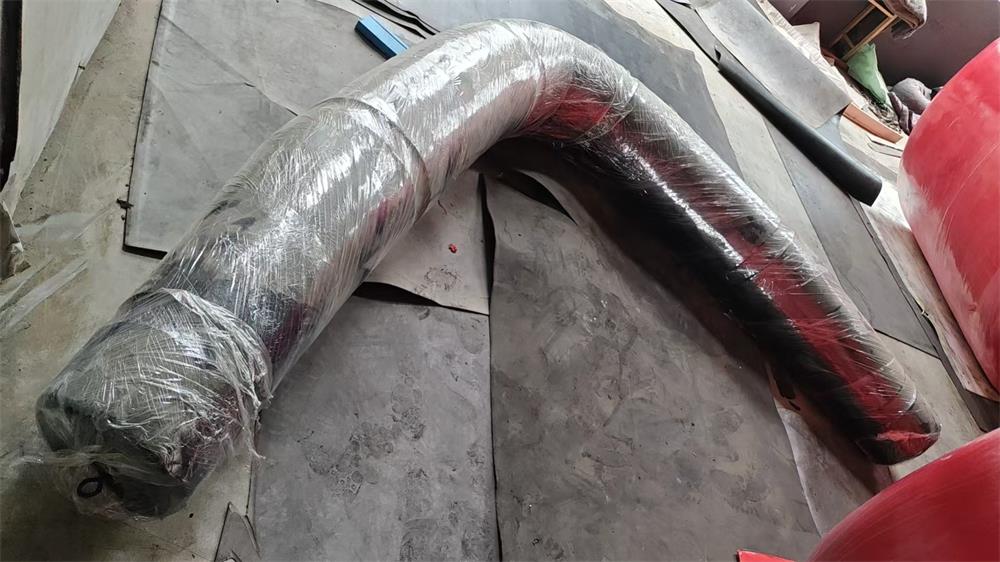
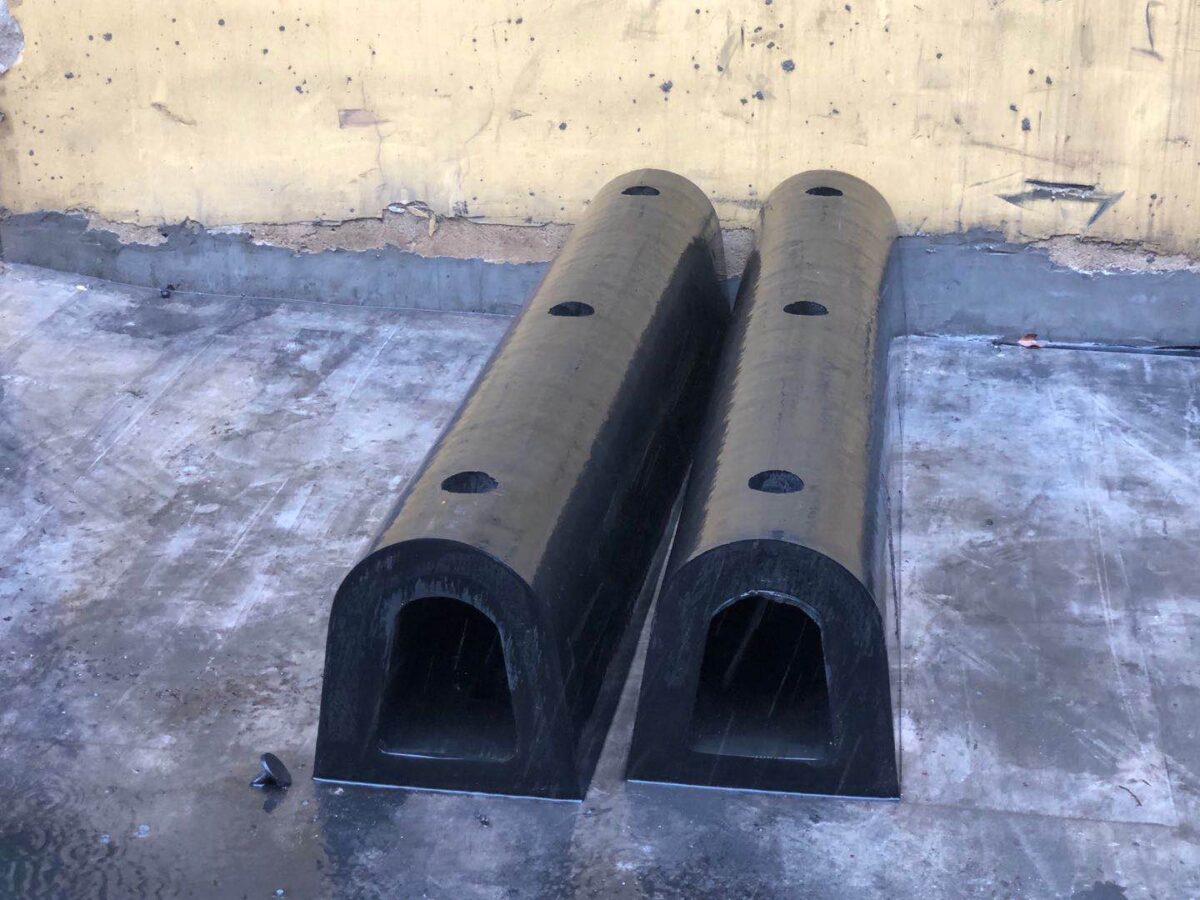
The order included arch rubber fenders, mooring bollards, anchor bolts, and installation hardware for berth infrastructure.
While the products themselves were based on proven designs, the installation conditions required additional review before production.
The client provided site photographs and project dimensions showing that the existing structure imposed specific constraints on bollard installation. To ensure compatibility, the bolt-hole dimensions and anchor arrangements were adjusted according to the project requirements.
By evaluating the fender system, bollards, and anchoring hardware together rather than as separate products, potential installation conflicts were identified before manufacturing began.
This approach helped reduce the risk of on-site modifications and supported a smoother installation process after delivery.
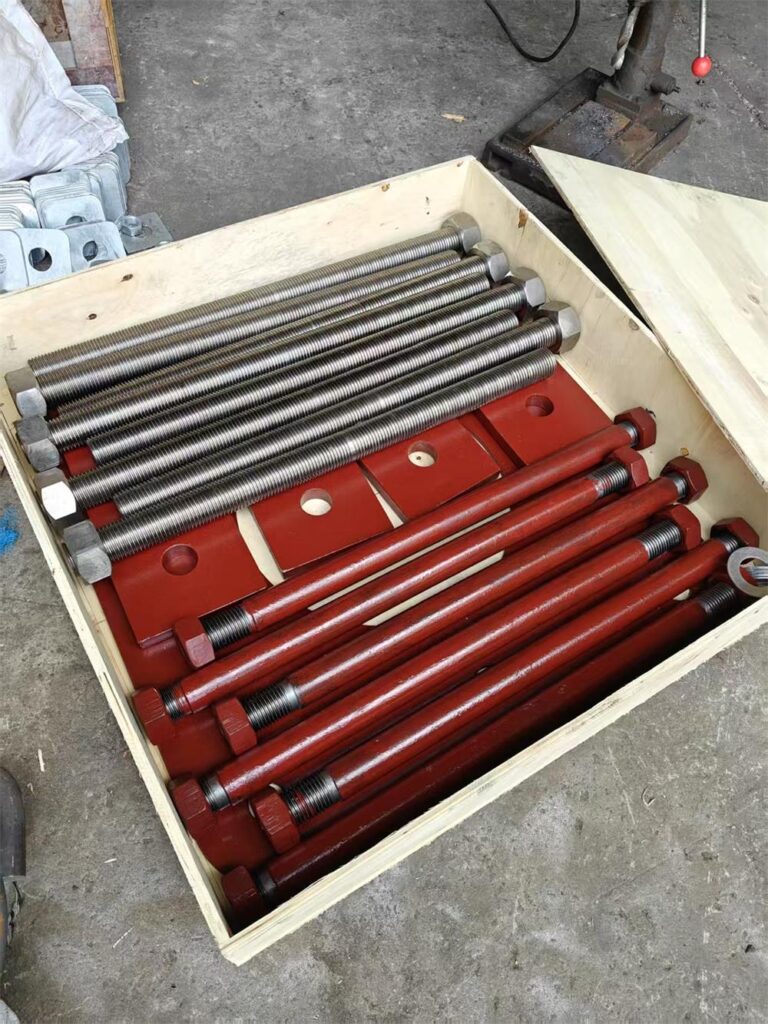
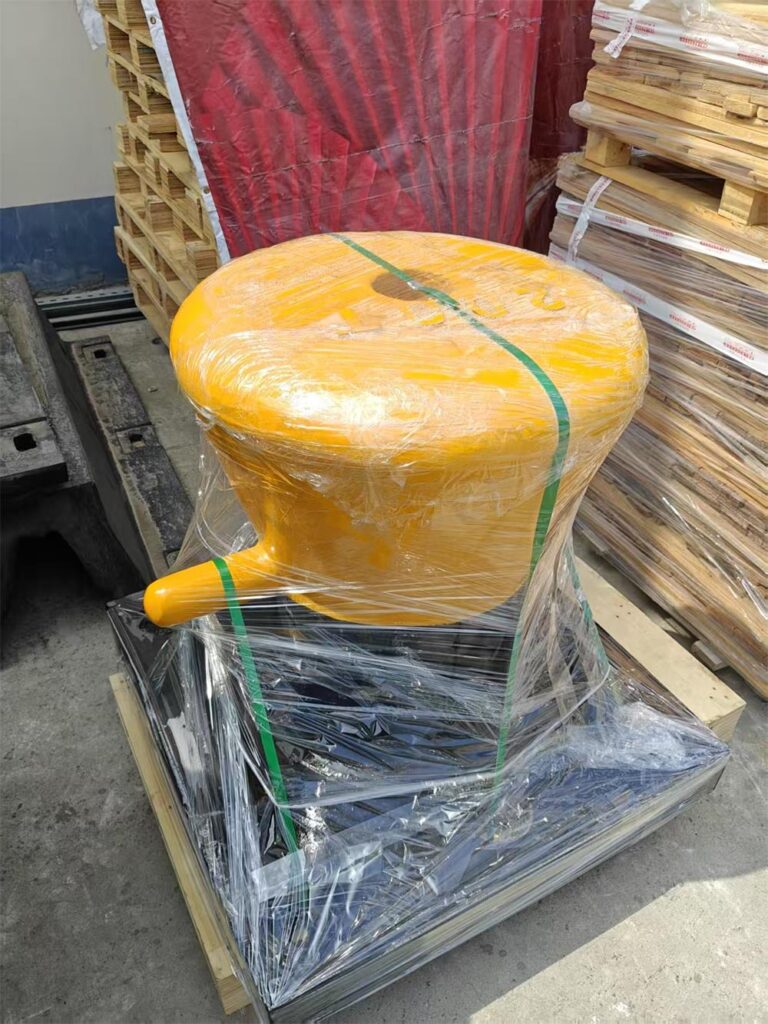
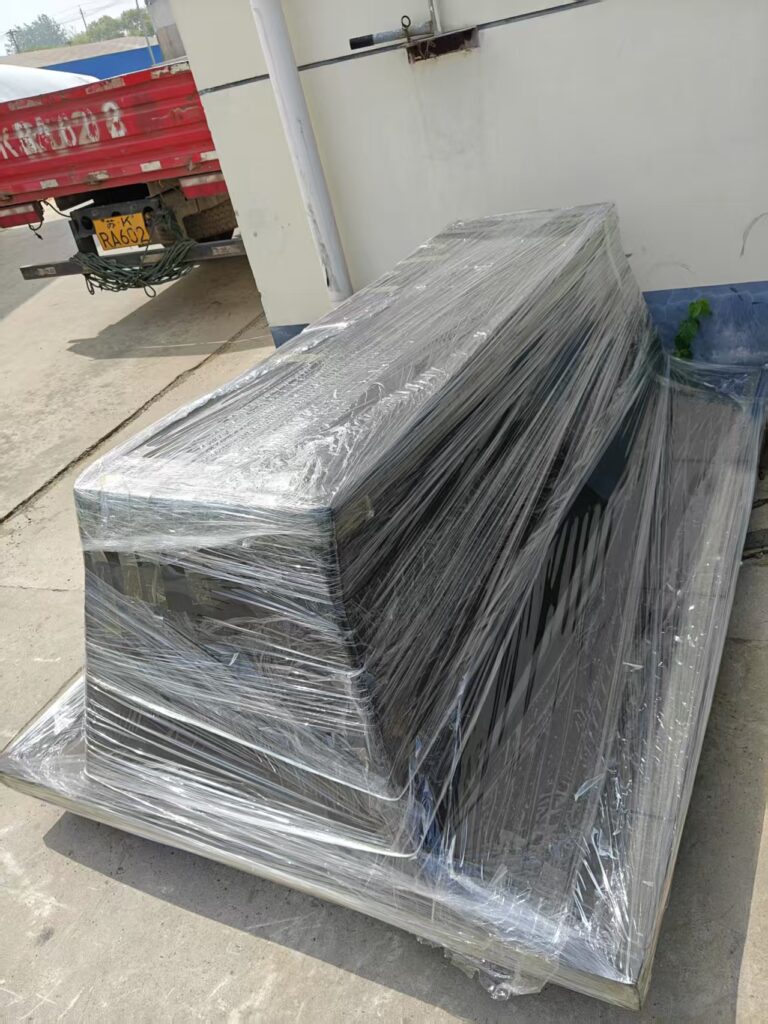
For more details about this project, see our Arch Fender and Bollard Supply for a Long-Term Client in Peru project case study.
Benefits of Coordinated Procurement
When fenders, bollards, and anchoring hardware are reviewed as a complete system, project teams can benefit from:
- Improved compatibility between components
- Reduced engineering coordination time
- Fewer installation conflicts on site
- Simplified procurement management
- More consistent quality control
- Easier documentation and project tracking
For contractors, port authorities, and marine construction companies, these advantages can help reduce project risks and improve overall efficiency.
Conclusion
Marine fenders and bollards serve different functions, but they should not be treated as completely independent systems.
Successful berth projects require consideration of equipment layout, anchor arrangements, installation requirements, and future maintenance access. Overlooking these relationships can create avoidable challenges during construction and operation.
For many marine infrastructure projects, the challenge is not selecting individual products, but ensuring that all components work together within the constraints of the existing berth structure.
Early coordination between fenders, bollards, and anchor systems can reduce installation risks, improve operational reliability, and contribute to a more efficient berth design.