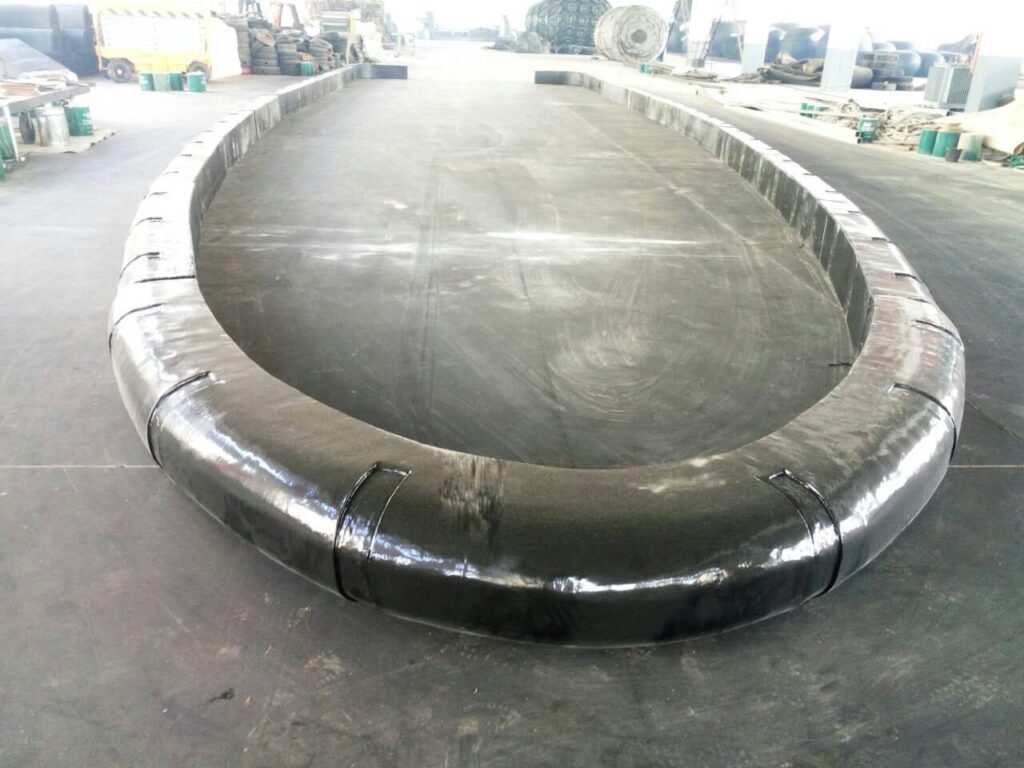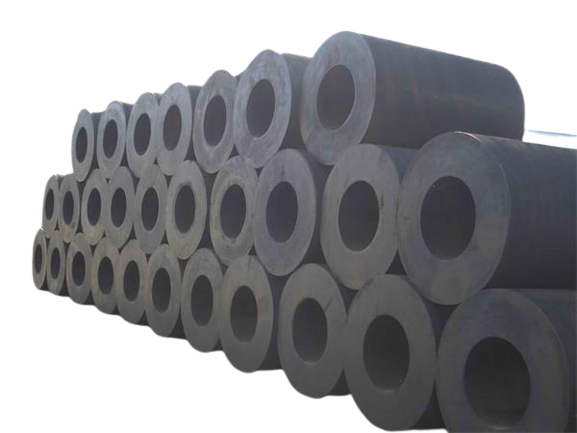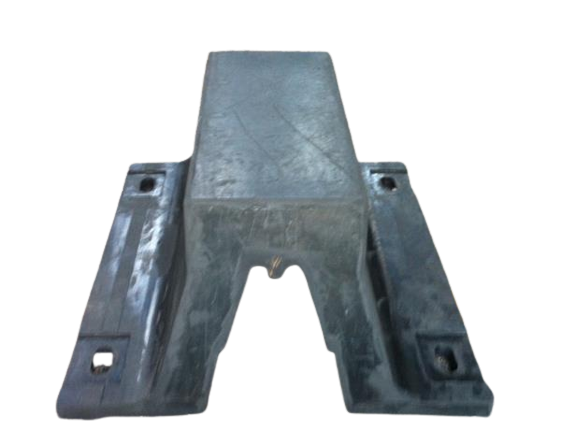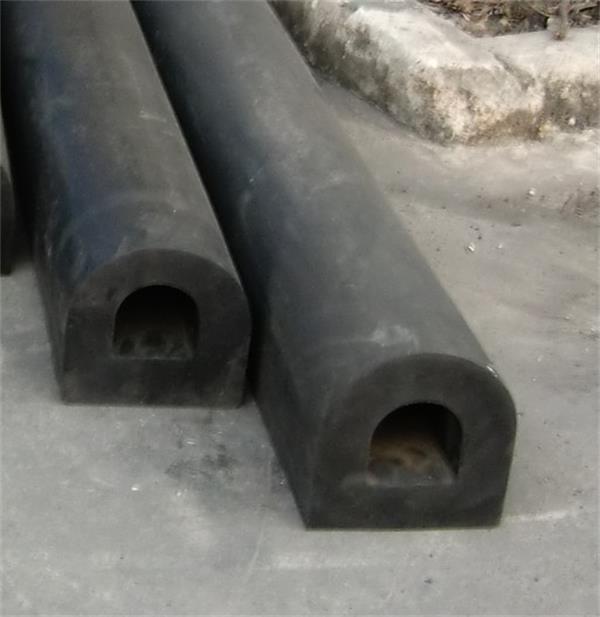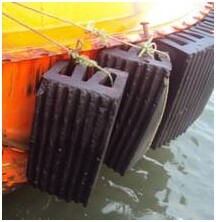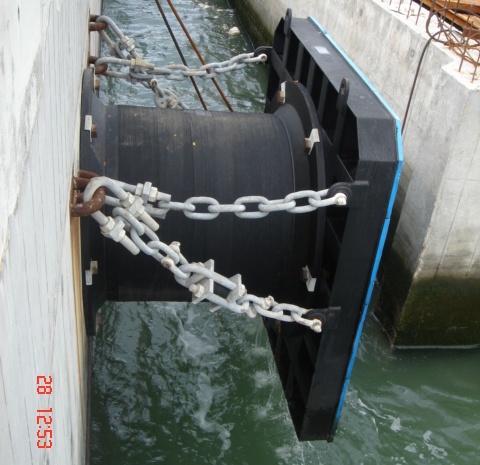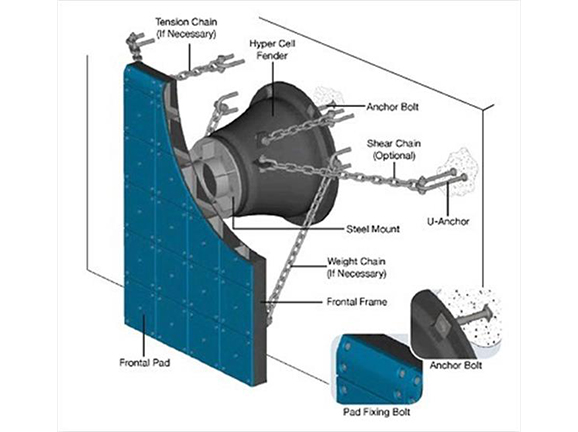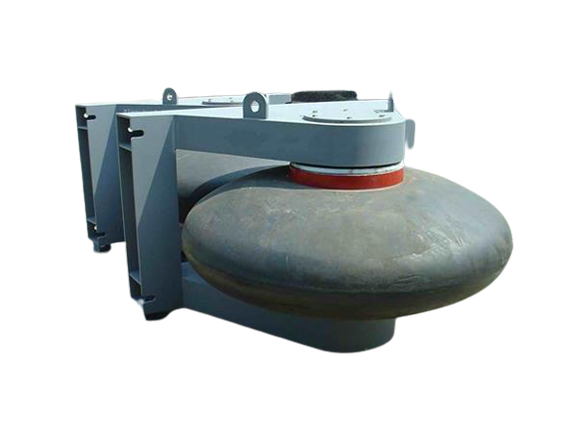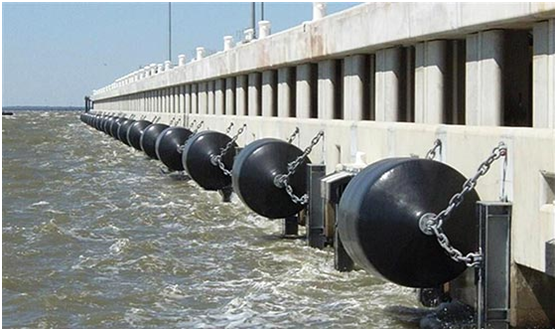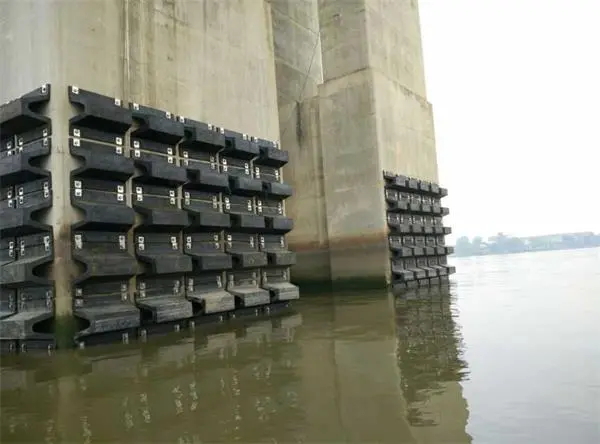
When discussing marine fender systems, attention is often focused on high-performance products such as cone fenders and cell fenders.
However, not every berth requires the highest possible energy absorption. Many working docks, industrial berths, fishing ports, and service facilities operate under conditions where reliability, simplicity, and ease of maintenance are often more important than maximum performance specifications.
This is one reason why Arch Fenders continue to be widely used around the world despite the availability of more advanced fender systems.
A recent arch rubber fender project involved a berth where simple installation, dependable protection, and long-term durability were prioritized over maximum energy absorption, highlighting the practical advantages of this traditional fender design for general berthing applications.
Not Every Berth Requires a High-Performance Fender System

Large container terminals and major commercial ports often accommodate vessels with significant berthing energy requirements. In these environments, highly engineered fender systems play an important role in protecting both vessels and infrastructure.
However, many marine facilities operate under very different conditions. Typical examples include:
- Working docks
- Industrial berths
- Small commercial ports
- Fishing harbors
- Service and maintenance facilities
For these applications, selecting the most complex fender system is not always necessary. Instead, project owners often seek solutions that provide dependable protection while remaining economical to install and maintain.
For many facilities, arch rubber fenders offer an effective balance between performance, durability, and cost.
Simplicity Can Be an Operational Advantage
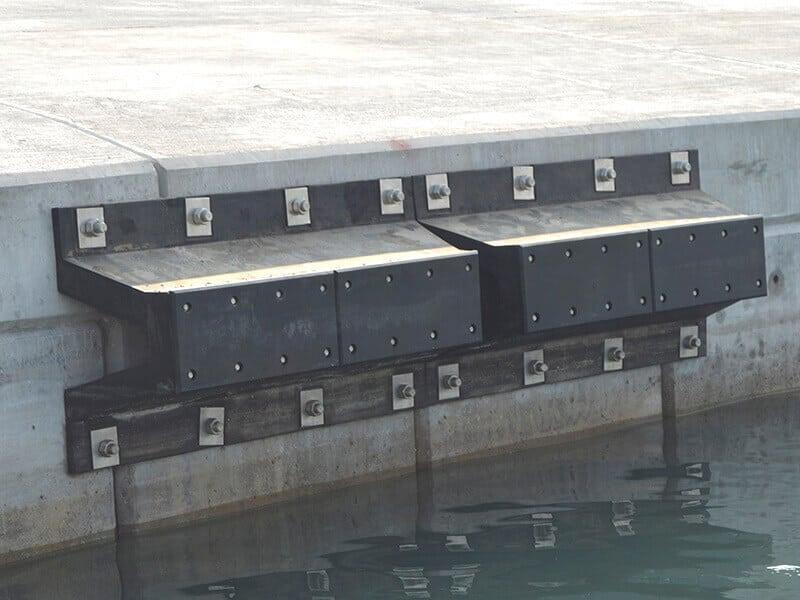
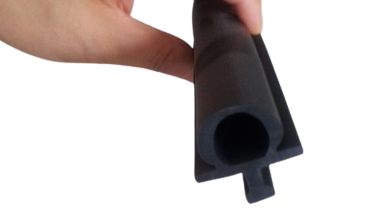
One reason arch fenders remain popular is their straightforward design. Compared with more complex systems, arch fenders typically provide:
- Simple installation arrangements
- Durable rubber construction
- Lower maintenance requirements
- Cost-effective replacement
- Reliable long-term performance
Because fewer components are involved, inspection and maintenance procedures are often easier throughout the service life of the installation. For operators responsible for day-to-day berth operations, this simplicity provides meaningful practical benefits.
Suitable for a Wide Range of Marine Facilities
Marine projects vary considerably in terms of vessel size, berthing frequency, and operational requirements. As a result, fender selection should always be based on the specific conditions of the facility rather than on performance ratings alone.
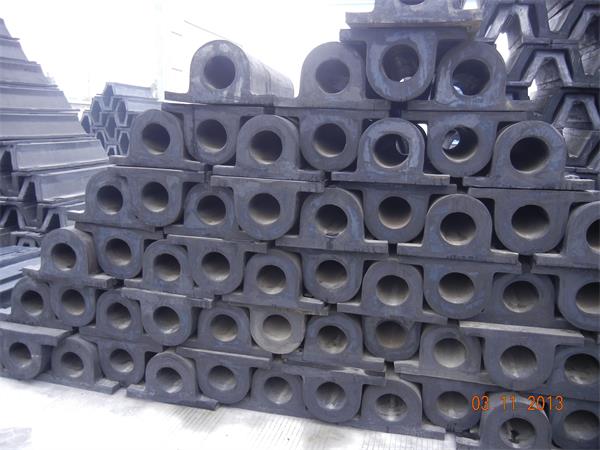
Arch fenders are commonly incorporated into larger Marine Fender Systems because they provide dependable protection for many general-purpose berthing applications without requiring complex supporting structures.
This versatility has helped arch fenders remain one of the most widely used rubber fender types in the marine industry.
Installation Details Should Still Be Confirmed
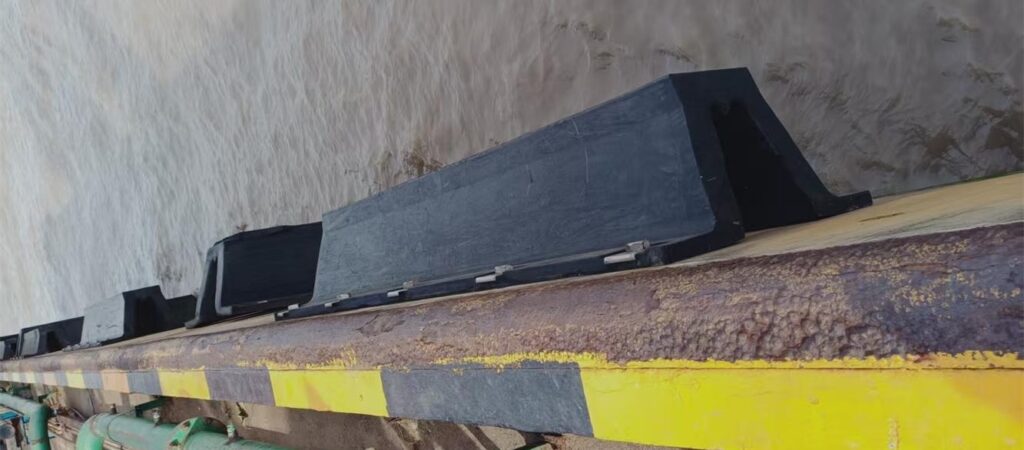
Although arch fenders are relatively simple products, installation requirements remain important. Items such as:
- Fender dimensions
- Bolt hole spacing
- Mounting arrangements
- Steel fixture requirements
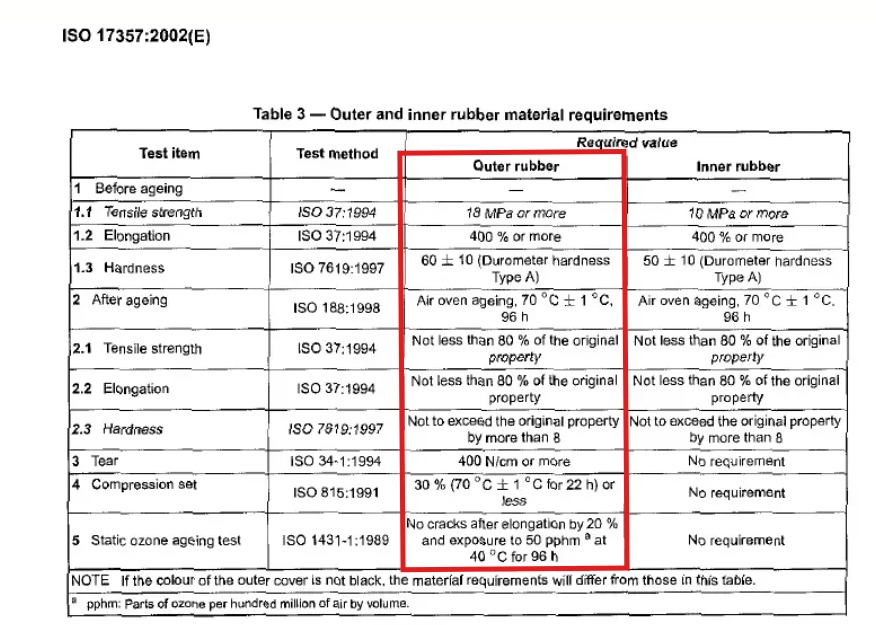
should be reviewed before production begins. Confirming drawings and project specifications in advance helps ensure compatibility with the berth structure and installation method while reducing the risk of modification during installation. Proper Testing & Inspection procedures before shipment can also verify that the supplied products match project requirements.
Arch Rubber Fender Project Example
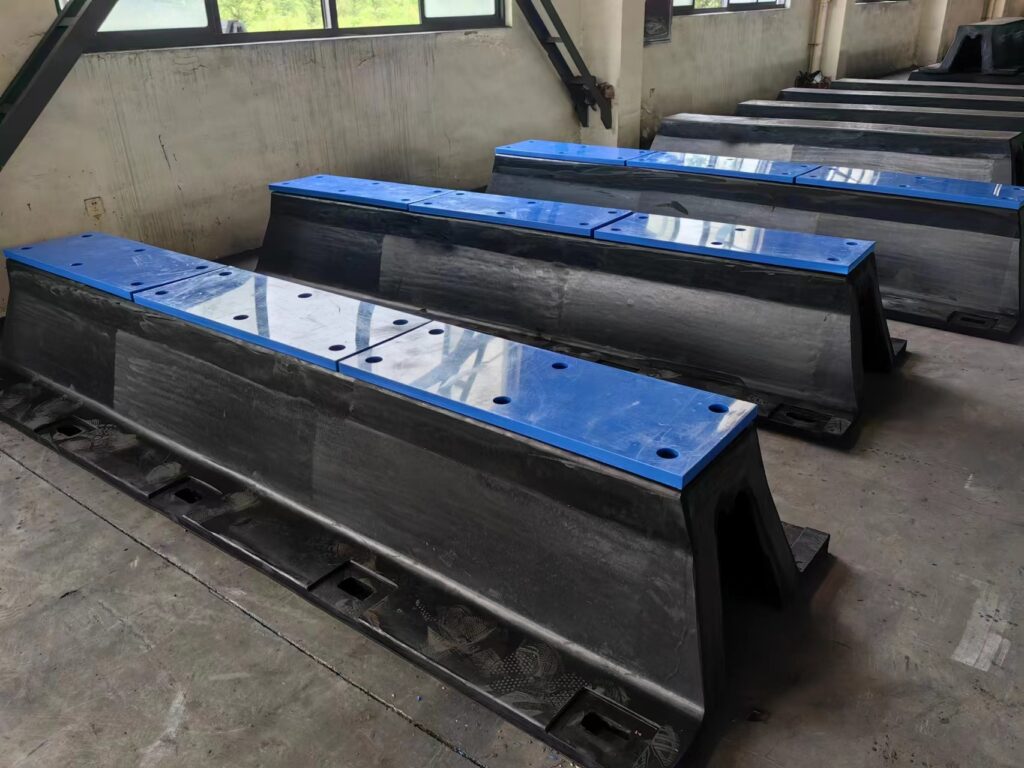
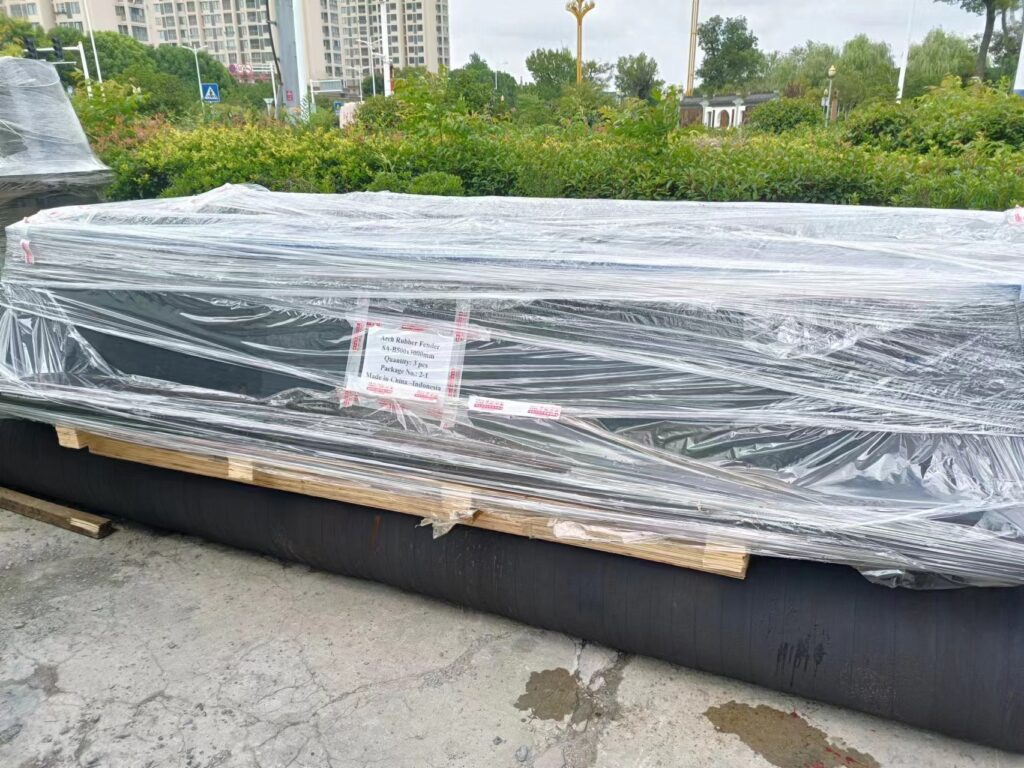
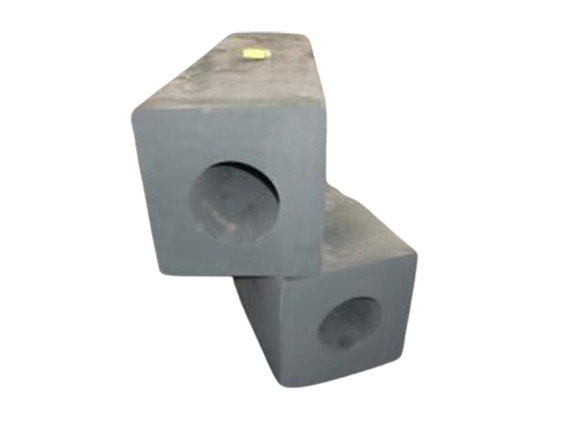
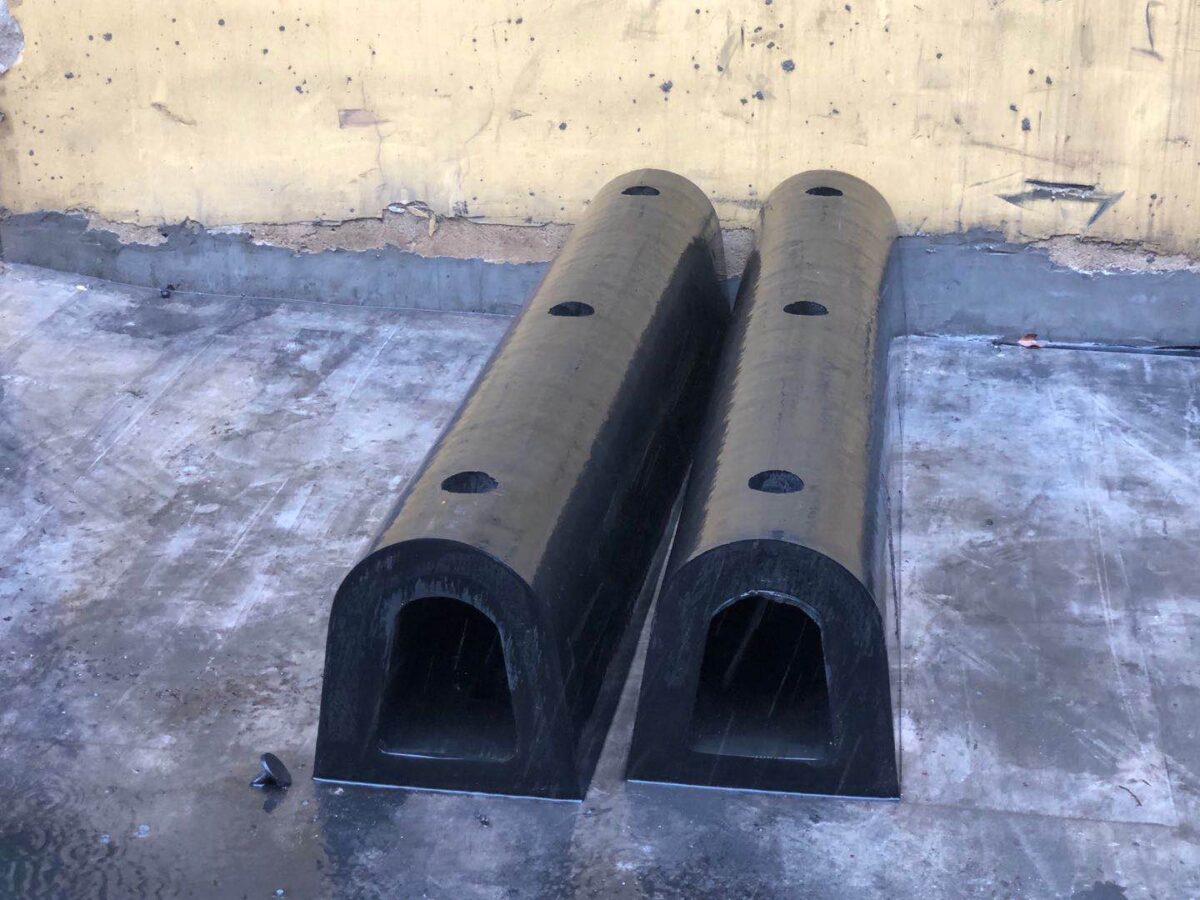
YT Marine recently manufactured 3 pcs of SA-B500 × 3000 mm Type B arch rubber fenders for a new client in Indonesia.
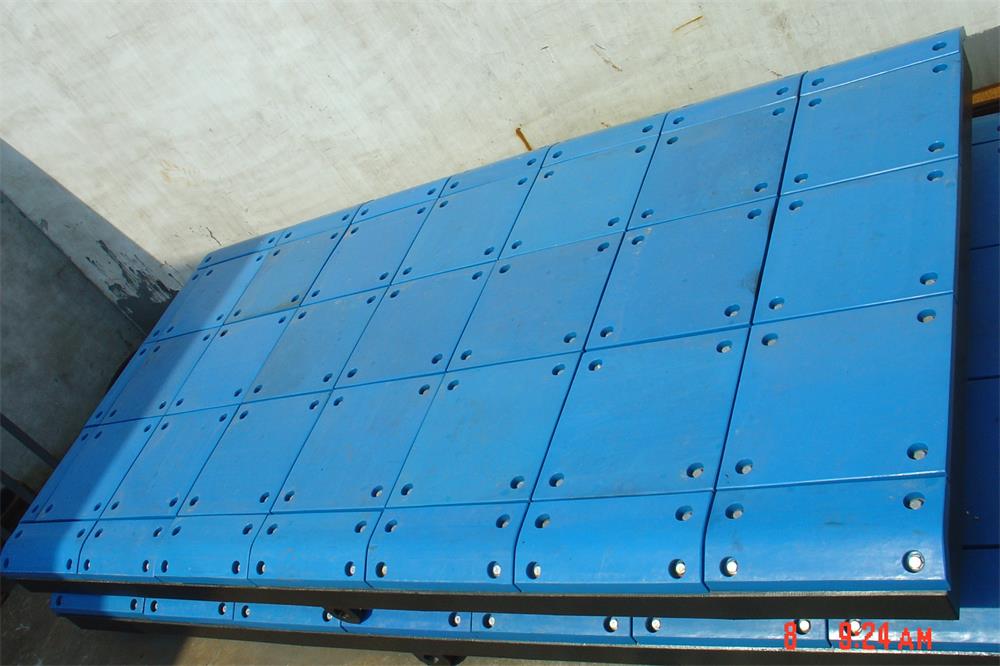
For this project, the client selected Type B arch fenders with blue UHMWPE face pads. Compared with a standard rubber contact surface, the UHMWPE pad helps reduce friction during berthing and provides a smoother contact surface for vessel protection.
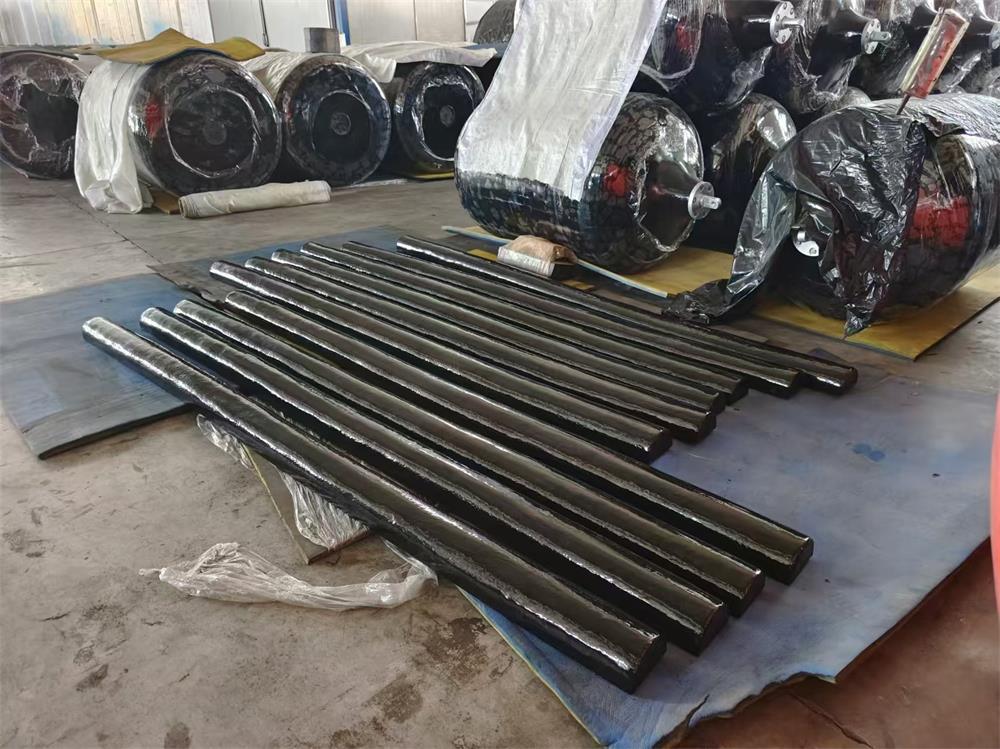
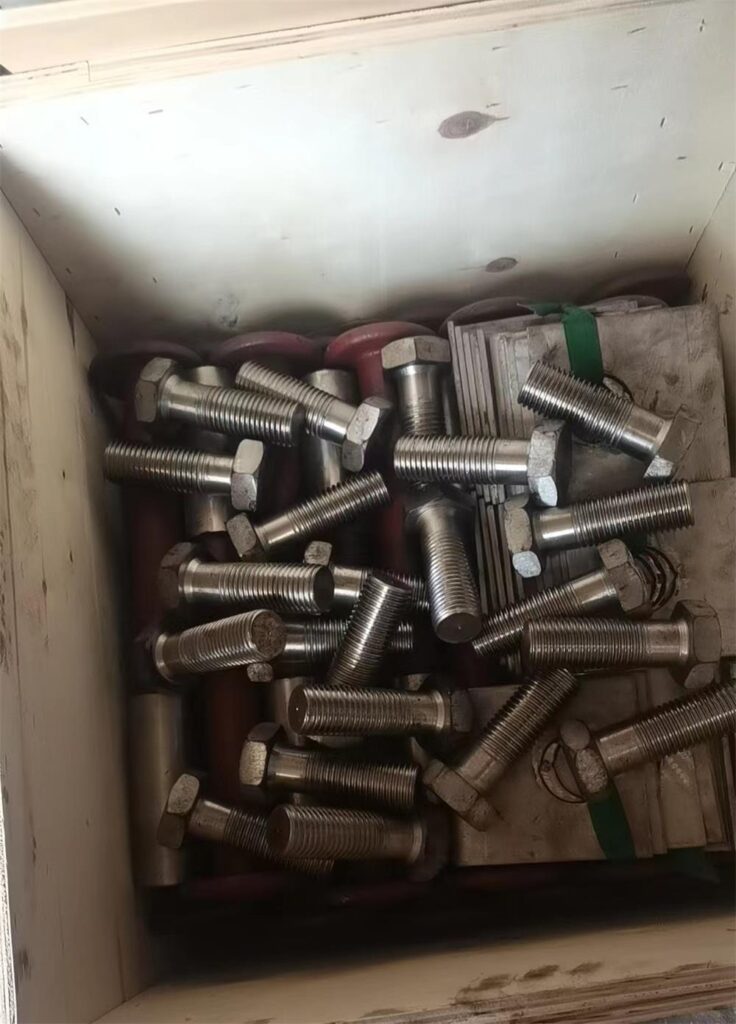
Each arch fender was designed with 10 anchor holes, and the standard anchor hole size for this model was M42. According to the client’s installation requirements, YT Marine supplied a total of 30 sets of SS304 stainless steel pre-built anchor bolts together with the fenders.
Before production began, the project drawings were prepared and sent to the client for approval. After the drawings were confirmed, manufacturing was arranged according to the approved design, including the fender dimensions, anchor hole arrangement, UHMWPE pad configuration, and anchor bolt requirements.
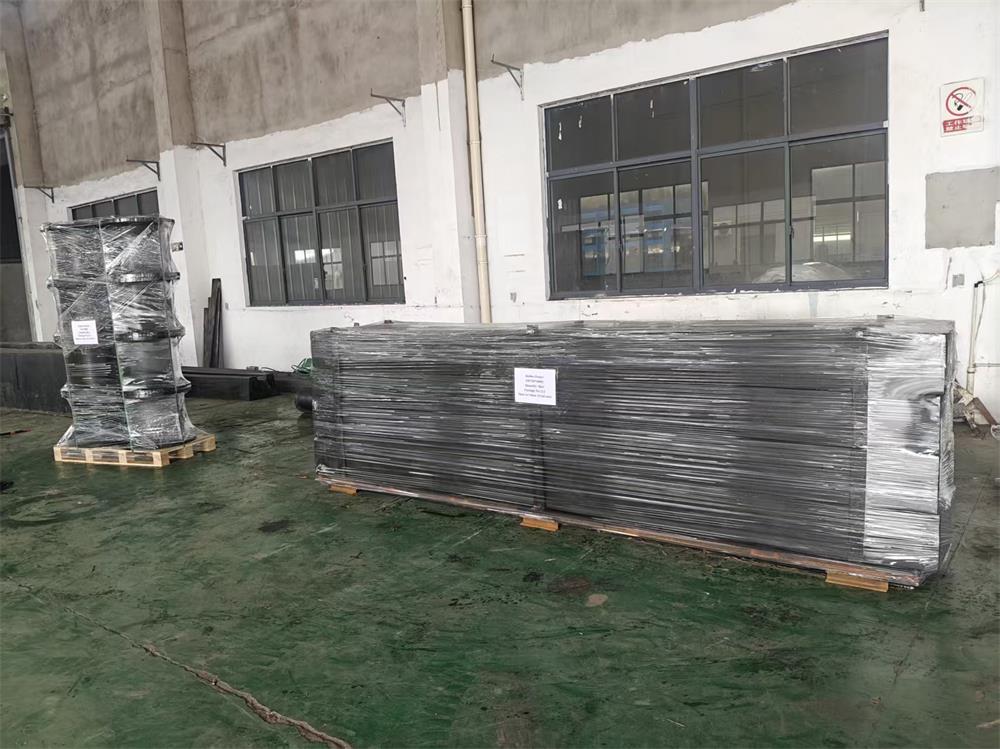
For shipment, the arch rubber fenders were packed on pallets, while the stainless steel anchor bolts were packed separately in a wooden case to protect the components during handling and transportation.
This project shows why arch fender selection is not only about choosing a rubber profile. Details such as UHMWPE face pads, anchor hole layout, anchor bolt material, and packing arrangements all need to be confirmed before production to ensure smooth installation after delivery.
You can read the full SA-B500 × 3000 mm Arch Rubber Fender Project Case Study here.
Conclusion
Although modern high-performance fender systems are essential for major ports and terminals, many marine facilities continue to prioritize practical and reliable solutions.
Arch rubber fenders remain widely used because they offer a combination of durability, installation simplicity, and cost-effective protection for general berthing applications. For working docks, industrial facilities, and smaller ports, a well-designed arch fender system often provides exactly the level of protection required without unnecessary complexity.