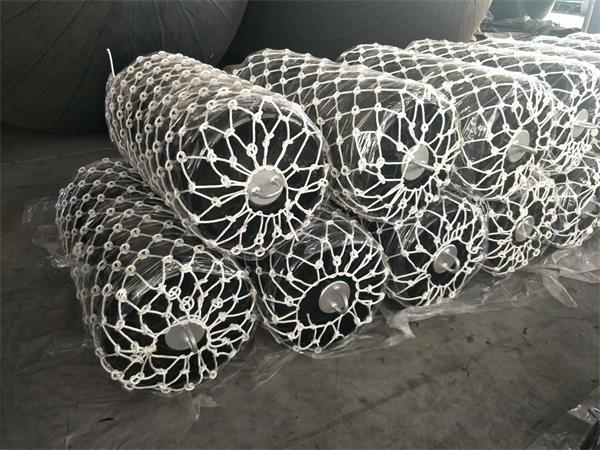
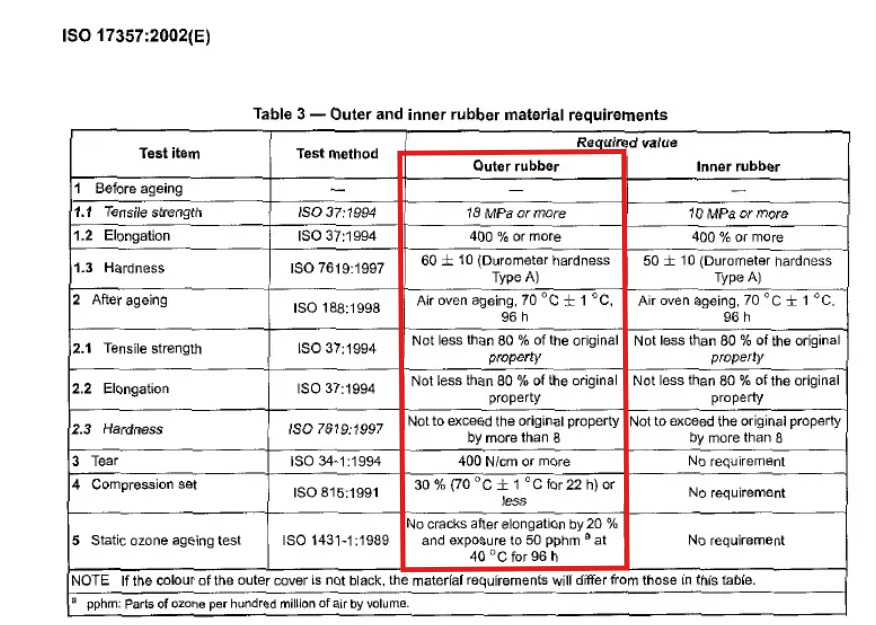
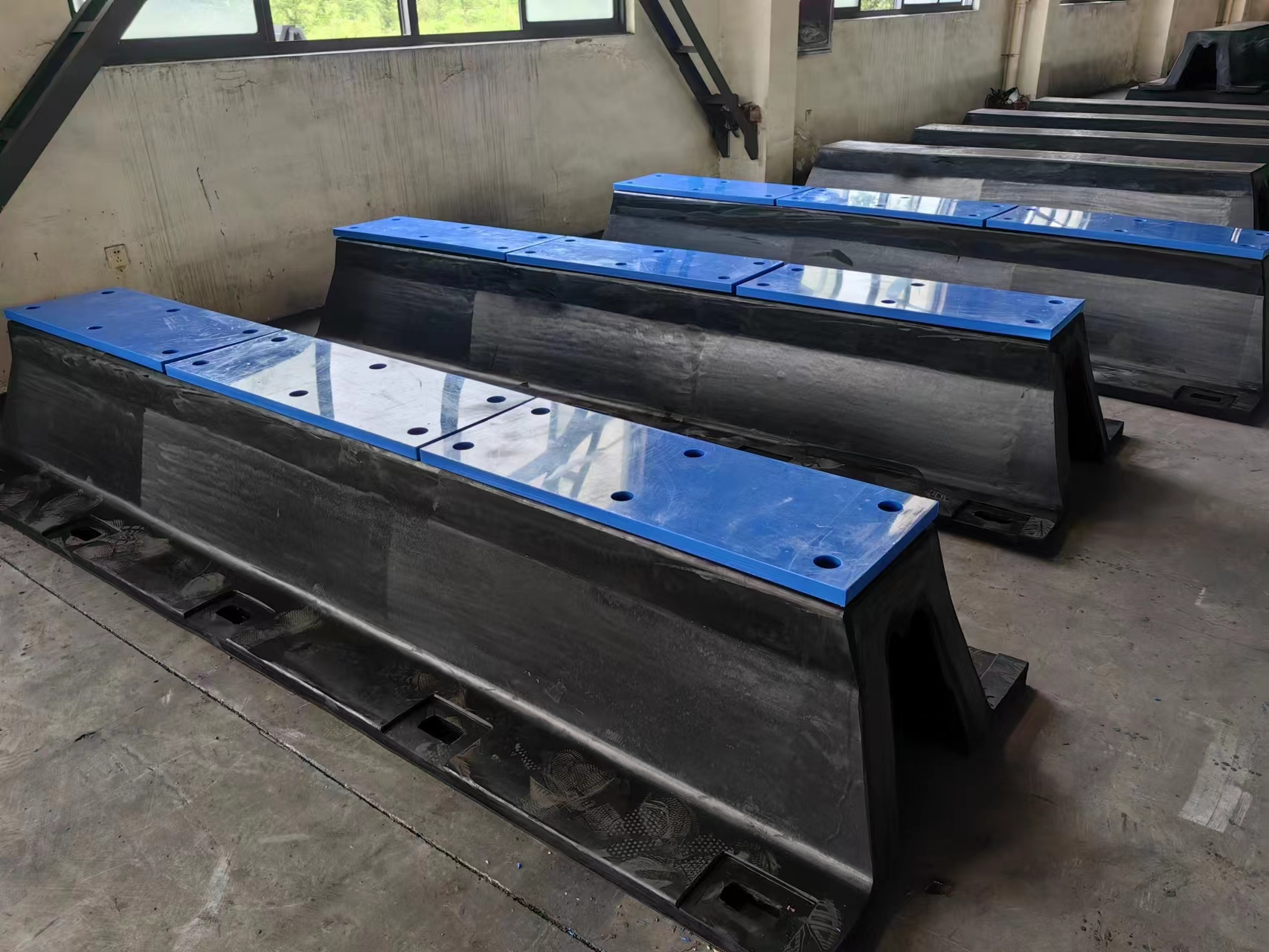
When purchasing foam filled fenders, buyers often focus on product specifications, performance, and delivery schedules.
However, for international projects, another factor can be equally important: verifying product compliance before shipment.
Unlike local projects, overseas buyers are often unable to visit the factory to inspect products in person. As a result, drawing approval, dimensional verification, production records, and packing documentation have become important tools for reducing procurement risk.
A recent project involving two 700 × 1500 mm Foam Filled Fenders supplied to a client in Panama demonstrates how remote inspection procedures can help buyers verify product quality before delivery.
Drawing Approval Creates the Foundation for Production
Before manufacturing begins, the approved drawing serves as the reference for production.
For a typical Foam Filled Fender project, important details may include:
- Fender diameter
- Fender body length
- Overall length
- End fitting configuration
- Shackle and swivel arrangements
Even small dimensional differences can affect lifting, installation, and operational requirements.
For this reason, drawing approval is normally completed before production starts to ensure that both the supplier and the client are working from the same specifications.
Why Verification Becomes More Important for International Orders

For domestic projects, buyers may be able to visit the factory and inspect products directly.
International projects are different.
Travel costs, project schedules, and geographical distance often make on-site inspections impractical. In many cases, buyers must rely on information provided by the manufacturer before shipment.
To improve transparency, manufacturers commonly provide:
- Production photographs
- Dimension measurement records
- Assembly photographs
- Packing photographs
- Inspection documentation
These records help clients verify that the finished products match the approved specifications without requiring a factory visit.
Dimension Verification Helps Reduce Delivery Risks
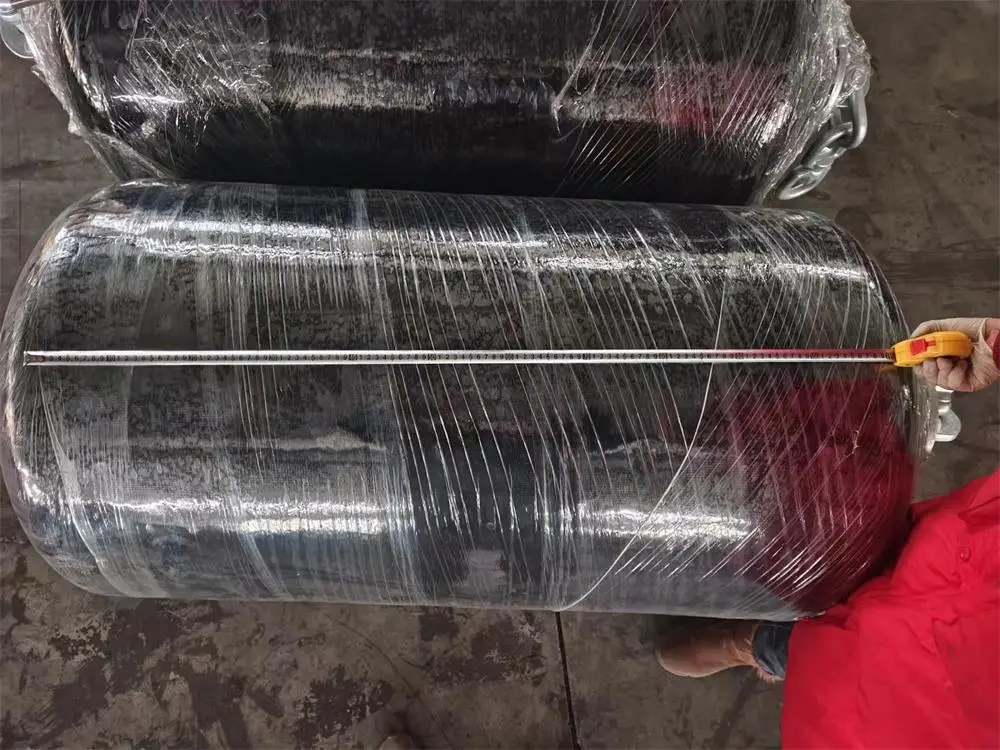
For custom fender projects, dimensional inspection is often performed before packing.
Typical measurements may include:
- Fender diameter
- Fender body length
- Overall length
- End fitting dimensions
Providing measurement photographs allows buyers to compare actual production dimensions with the approved drawings.
This additional verification step can help identify potential issues before shipment and reduce the risk of installation problems after delivery.
For many international Dock Protection Systems projects, dimensional verification has become a routine part of quality control.
Accessories Should Be Verified Alongside the Fenders

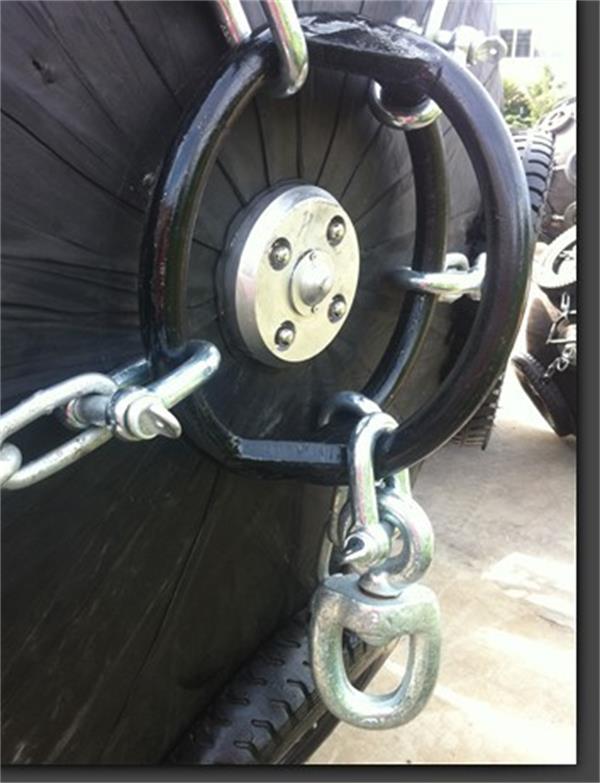

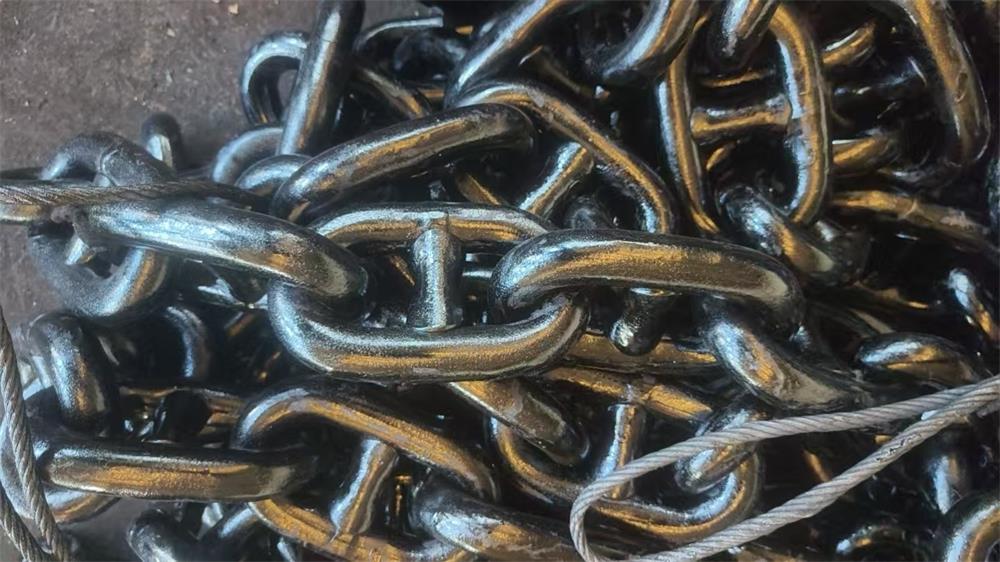
Foam filled fenders are frequently supplied together with accessories such as:
- Shackles
- Swivels
- Lifting hardware
- Connecting components
Although these items are smaller than the fenders themselves, they play an important role during installation and operation.
Incorrect accessory specifications can create installation difficulties even when the fender body itself has been manufactured correctly.
For this reason, accessory dimensions, assembly arrangements, and hardware specifications should be reviewed before shipment together with the fender dimensions.
A Panama Project Example


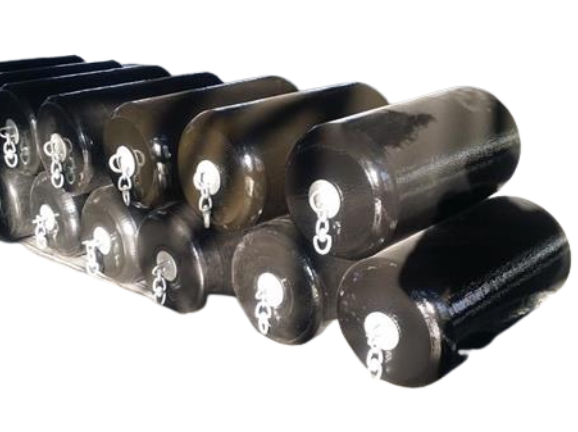
YT Marine recently supplied two 700 × 1500 mm Foam Filled Fenders for a client in Panama.
Because the client was unable to conduct an on-site factory inspection, the manufacturing team provided drawing confirmation, dimensional measurement photographs, accessory assembly records, and packing documentation before shipment.
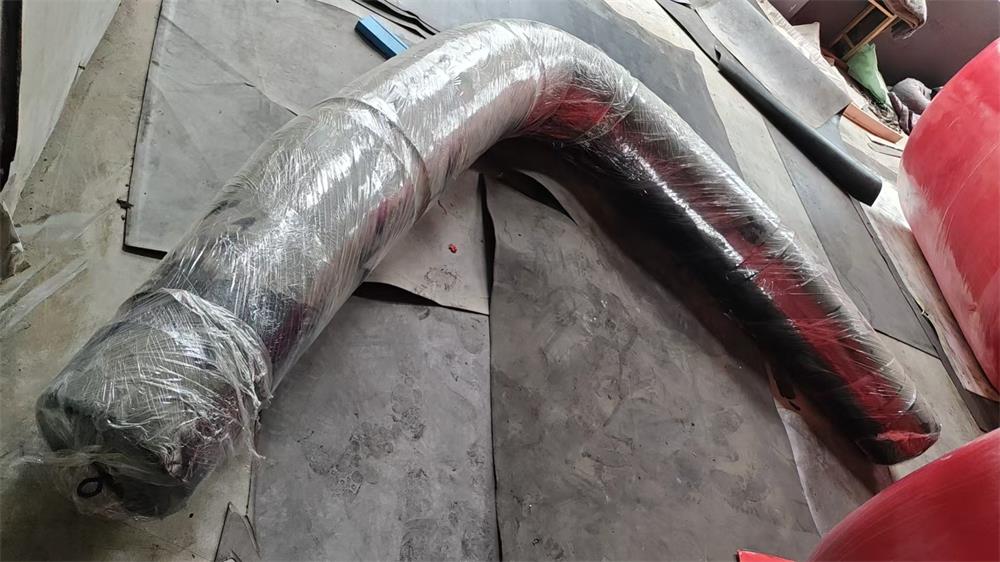
The project included swivels and shackles installed at both ends of the fenders, together with protective wrapping designed to help maintain product condition during transportation.
By verifying dimensions, assembly details, and packing arrangements before shipment, the project was able to proceed efficiently while providing assurance that the delivered products matched the approved specifications.
You can read the full 700 × 1500 mm Foam Filled Fender Project Case Study here.
Conclusion
For international marine projects, product verification is often just as important as manufacturing itself.
Drawing approval, dimensional inspection, accessory verification, and shipment documentation all help reduce uncertainty before products leave the factory.
When on-site inspection is not possible, remote verification procedures provide an effective way for buyers to confirm product compliance, identify potential issues before shipment, and reduce the risk of costly corrections after delivery.
For many overseas projects, successful delivery begins long before the products are loaded for shipment.