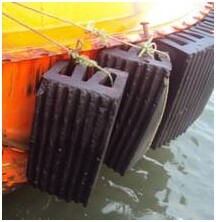
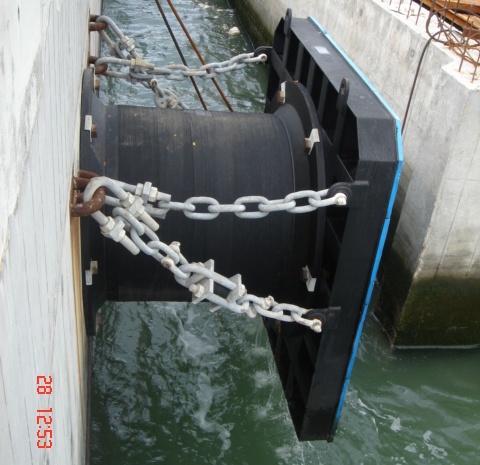
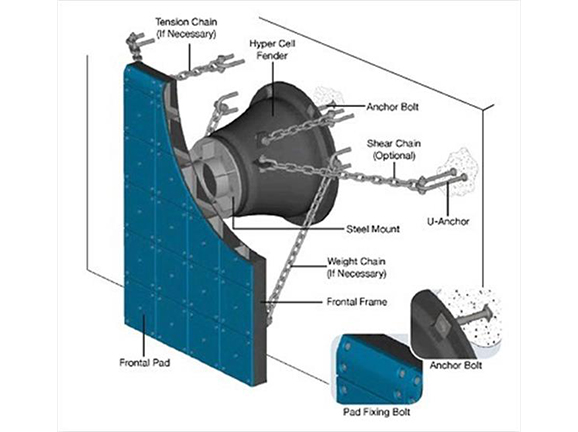
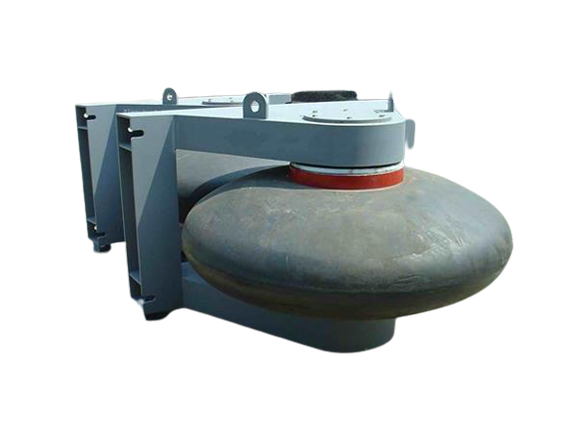
When discussing Marine Fender Systems, attention is often focused on the fenders themselves.
However, most marine infrastructure projects require far more than a single product.
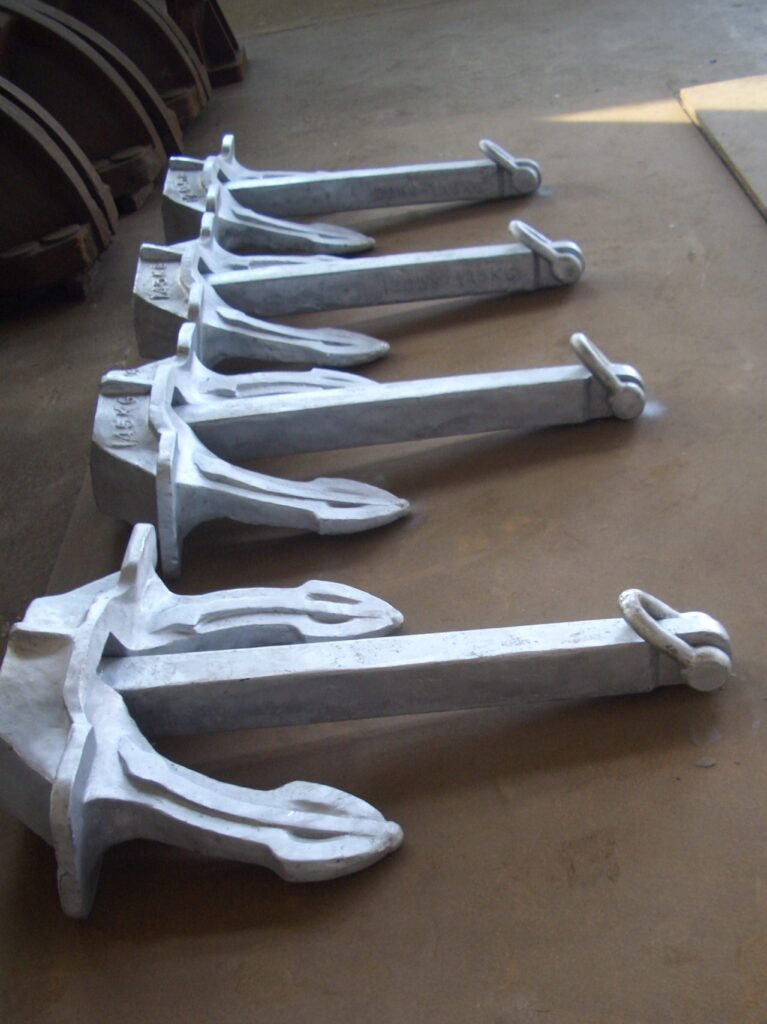
In many applications, Rubber D Fenders and other marine fenders must work alongside Anchor Chains, Chain Connectors, Swivels, and additional hardware components that support installation, mooring, or long-term operation. As a result, project owners often procure multiple product categories together rather than purchasing each component separately.
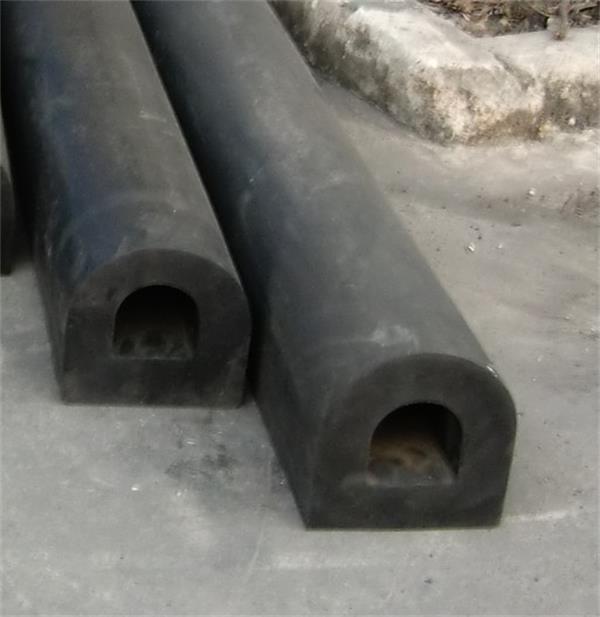
A recent Australian project involving D rubber fenders, studless anchor chains, chain connectors, and swivels illustrates why marine projects are typically approached as complete systems rather than individual products.
Marine Projects Are Systems, Not Individual Products
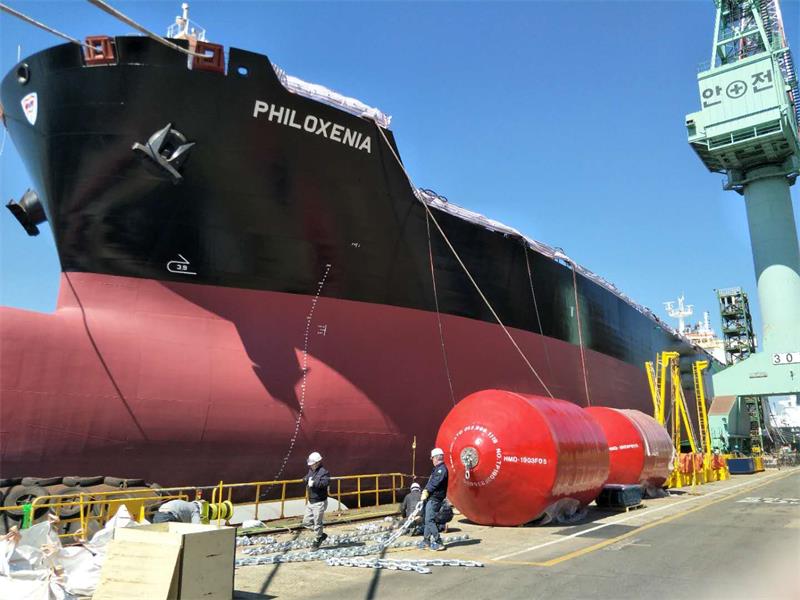
Marine fenders rarely operate in isolation.
Whether protecting a berth, supporting a mooring arrangement, or serving a working marine facility, fenders are usually part of a broader system that includes multiple interconnected components.
Depending on the application, a project may require:
- Marine fenders
- Anchor chains
- Chain connectors
- Swivels
- Mooring equipment
- Installation hardware
Although each component serves a different purpose, they must ultimately function together within the same operating environment.
For this reason, successful project delivery often depends on how well these components are coordinated rather than on any single product alone.
This is particularly true for Marine Dock & Mooring Fender Systems, where fenders and hardware must operate together as part of an integrated solution.
Why Hardware Compatibility Matters
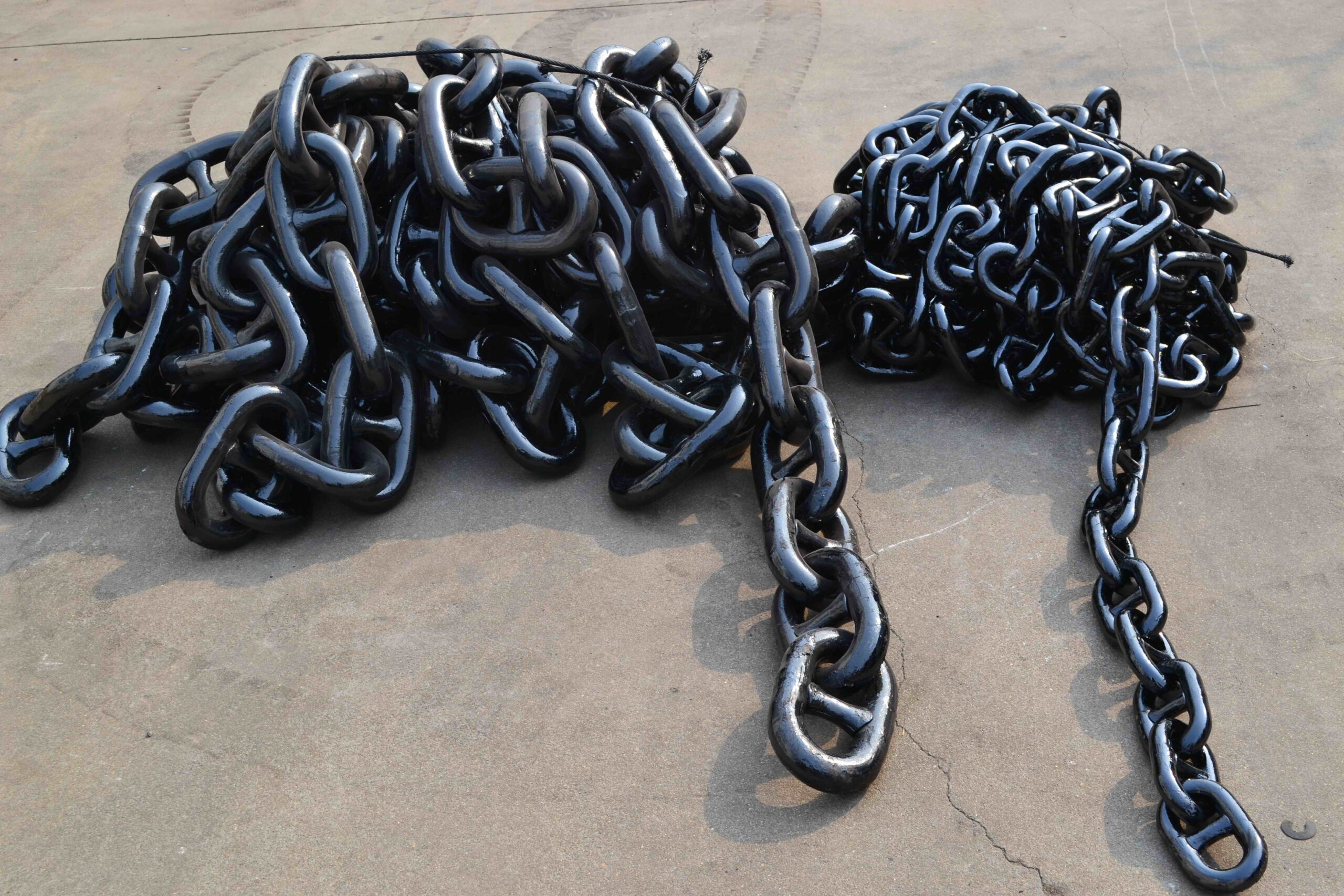
When multiple hardware components are used within the same project, compatibility becomes an important consideration.
Factors such as:
- Fender dimensions
- Chain diameter
- Connector size
- Swivel working load
- Surface treatment requirements
must be reviewed together to ensure that all components are suitable for their intended application.
A chain connector that does not match the selected chain diameter, or a swivel with insufficient working load capacity, can create installation challenges and affect overall system performance.
Even relatively simple projects can experience delays if hardware specifications are reviewed independently rather than as part of an integrated system.
This is one reason why Engineering Drawings and specification reviews remain important before manufacturing begins.
Coordinated Procurement Can Simplify Project Management
Managing multiple suppliers can increase the complexity of project execution.
Project teams may need to coordinate:
- Technical specifications
- Manufacturing schedules
- Packing arrangements
- Shipping documentation
- Delivery timelines
When related products are sourced together, communication and coordination can often be simplified.
For international projects, consolidated procurement may also help streamline logistics and reduce administrative workload.
Many buyers therefore prefer suppliers capable of providing both marine fenders and Mooring Equipment within the same project package.
Corrosion Protection Should Be Reviewed Across the Entire System
Marine environments place continuous demands on exposed steel components.
Because chains, connectors, and swivels are often exposed to the same operating conditions, corrosion protection requirements should be reviewed across the entire system rather than for individual components alone.
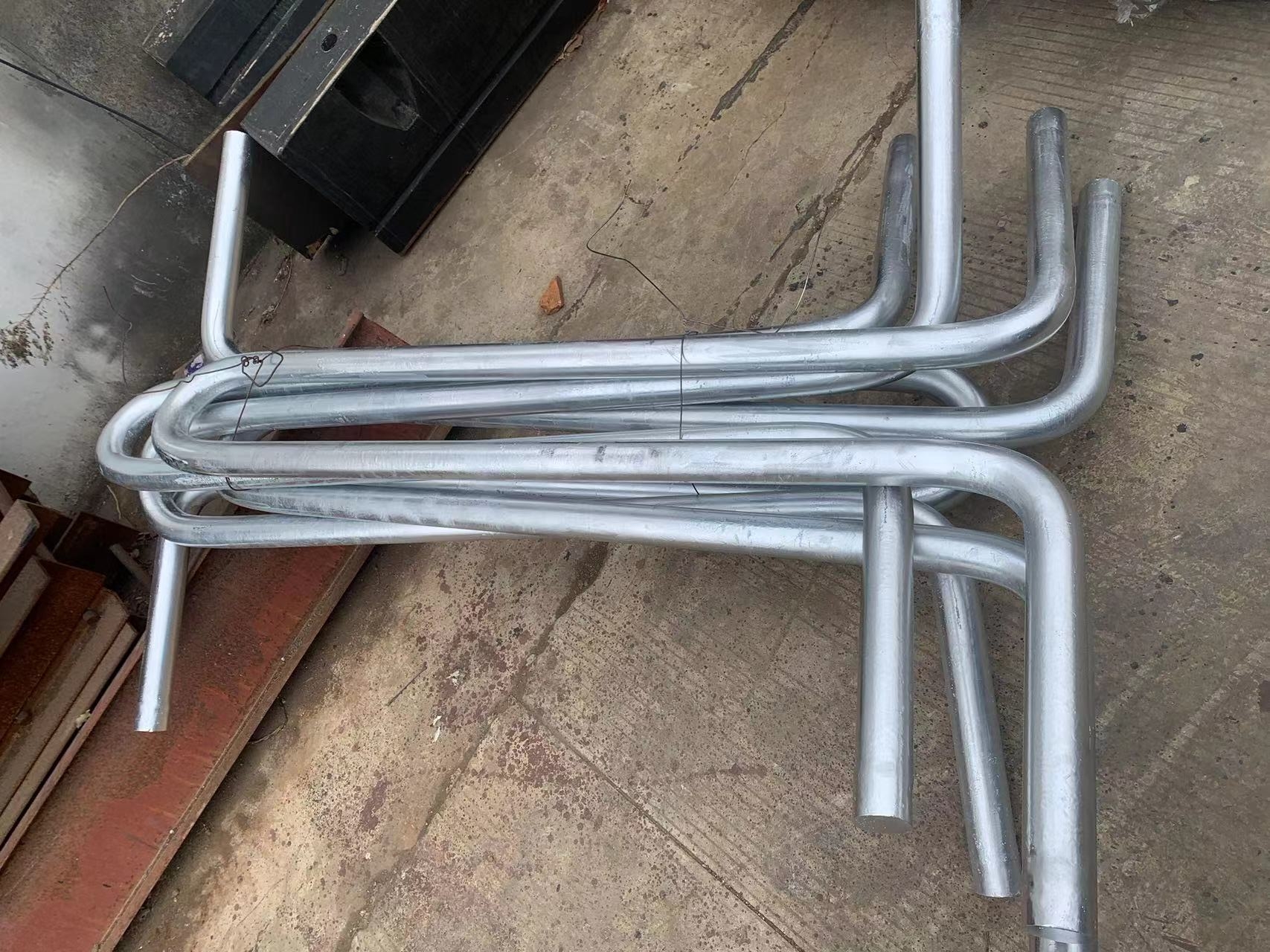
Products such as anchor chains, chain connectors, and swivels are commonly supplied with hot-dip galvanization to improve durability and service life in marine environments.
Reviewing these requirements collectively helps ensure that all components are designed for the same operating conditions and maintenance expectations.
An Australian Project Example
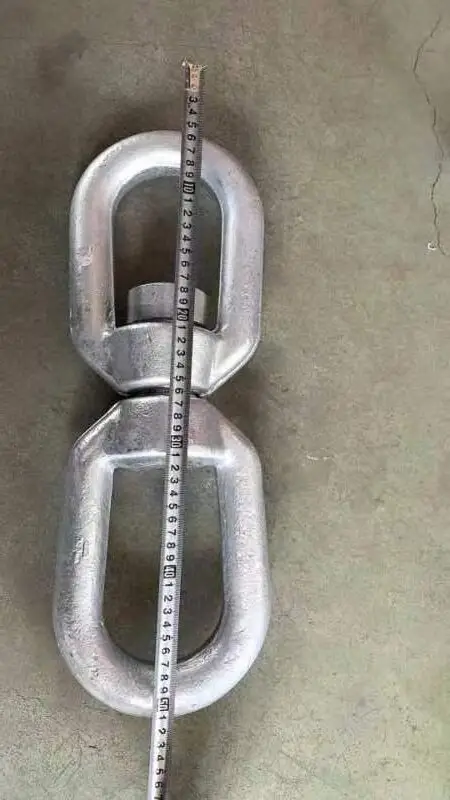
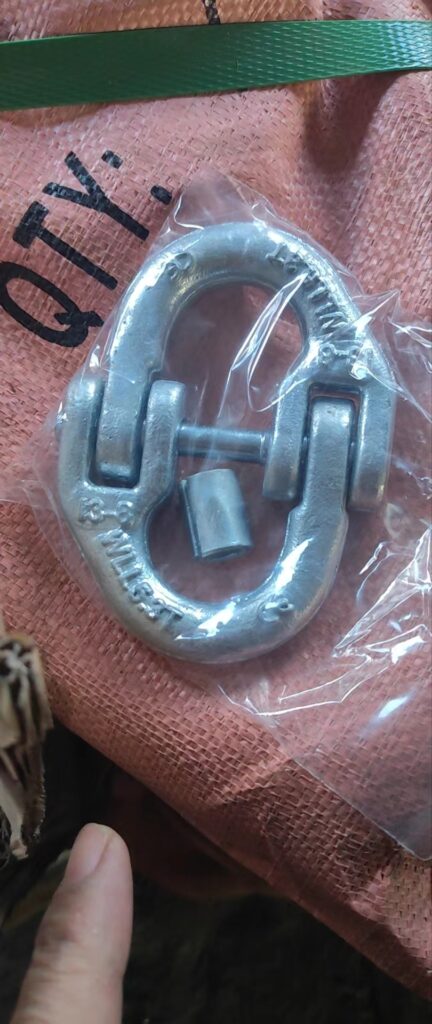
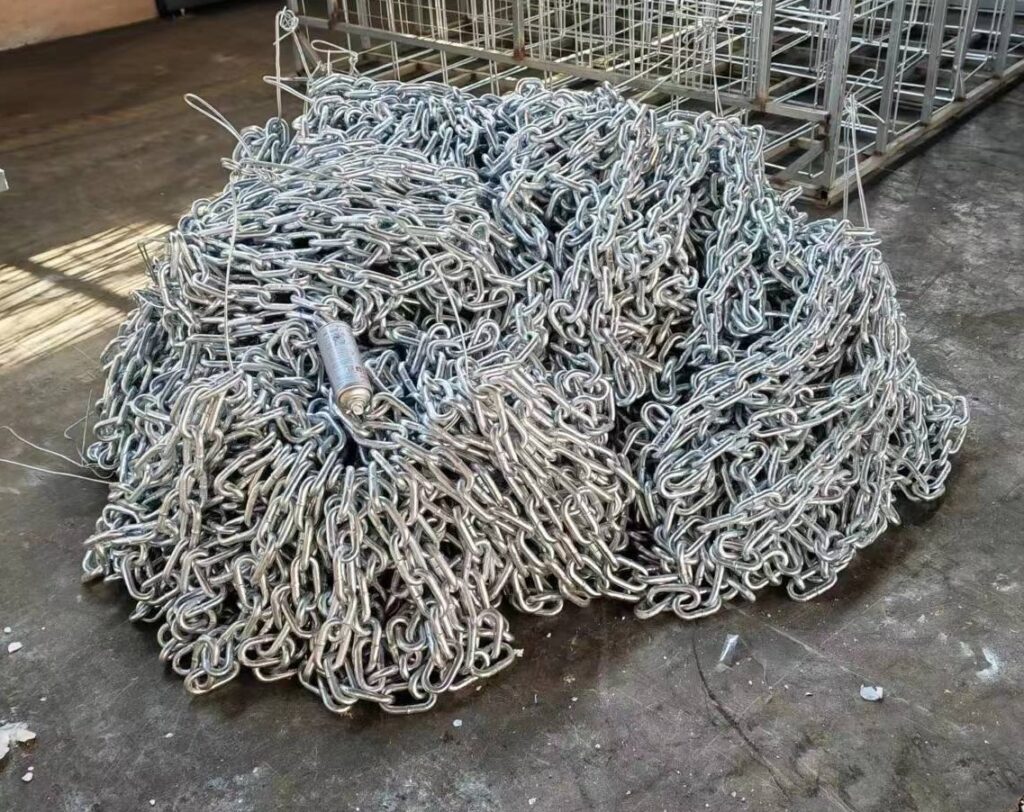
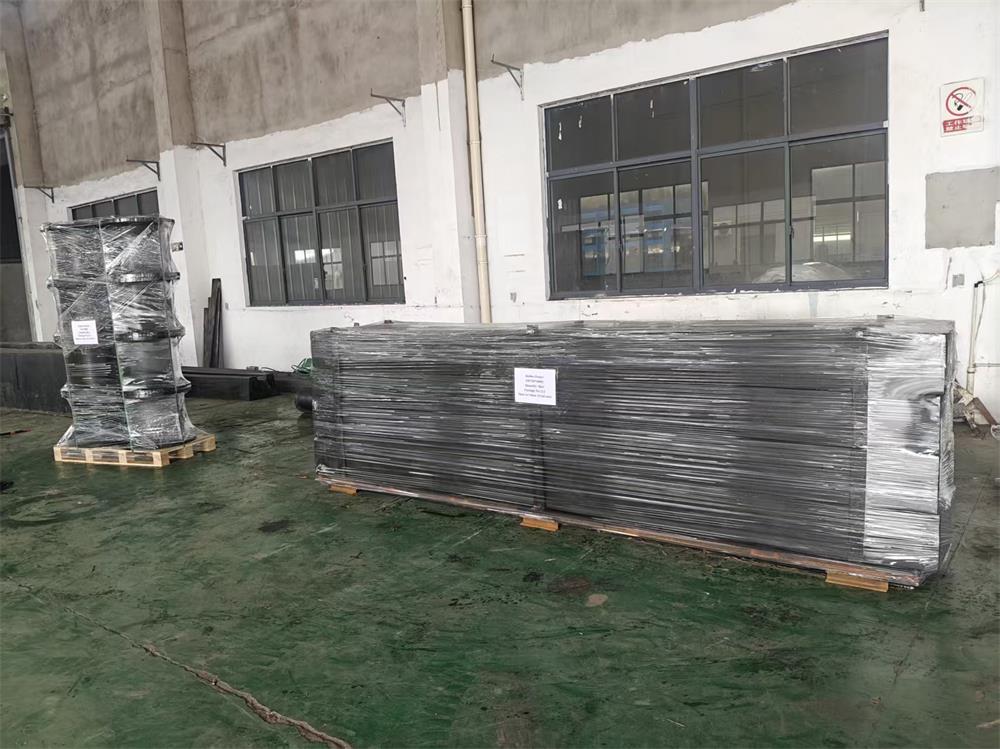
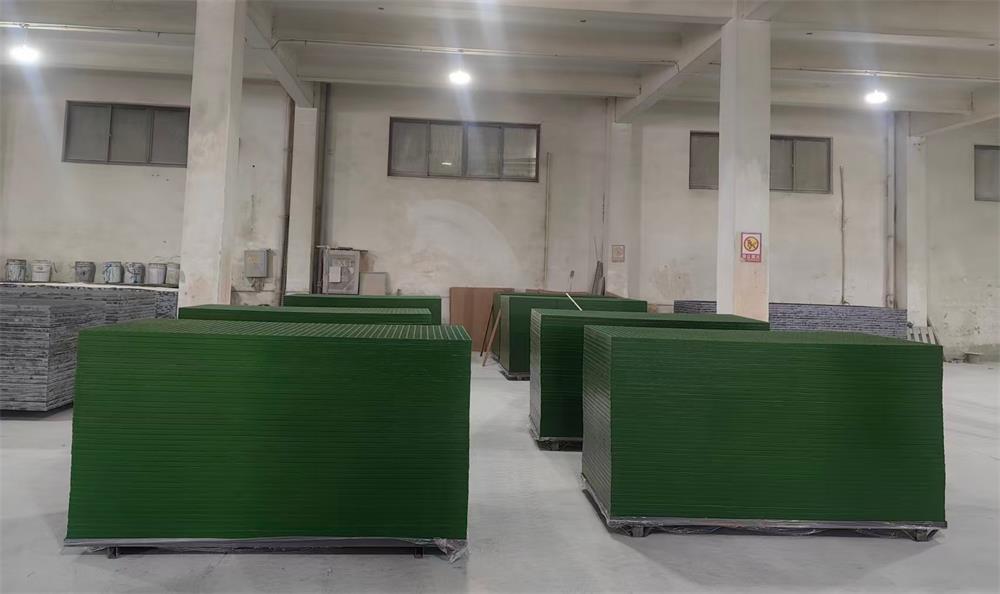
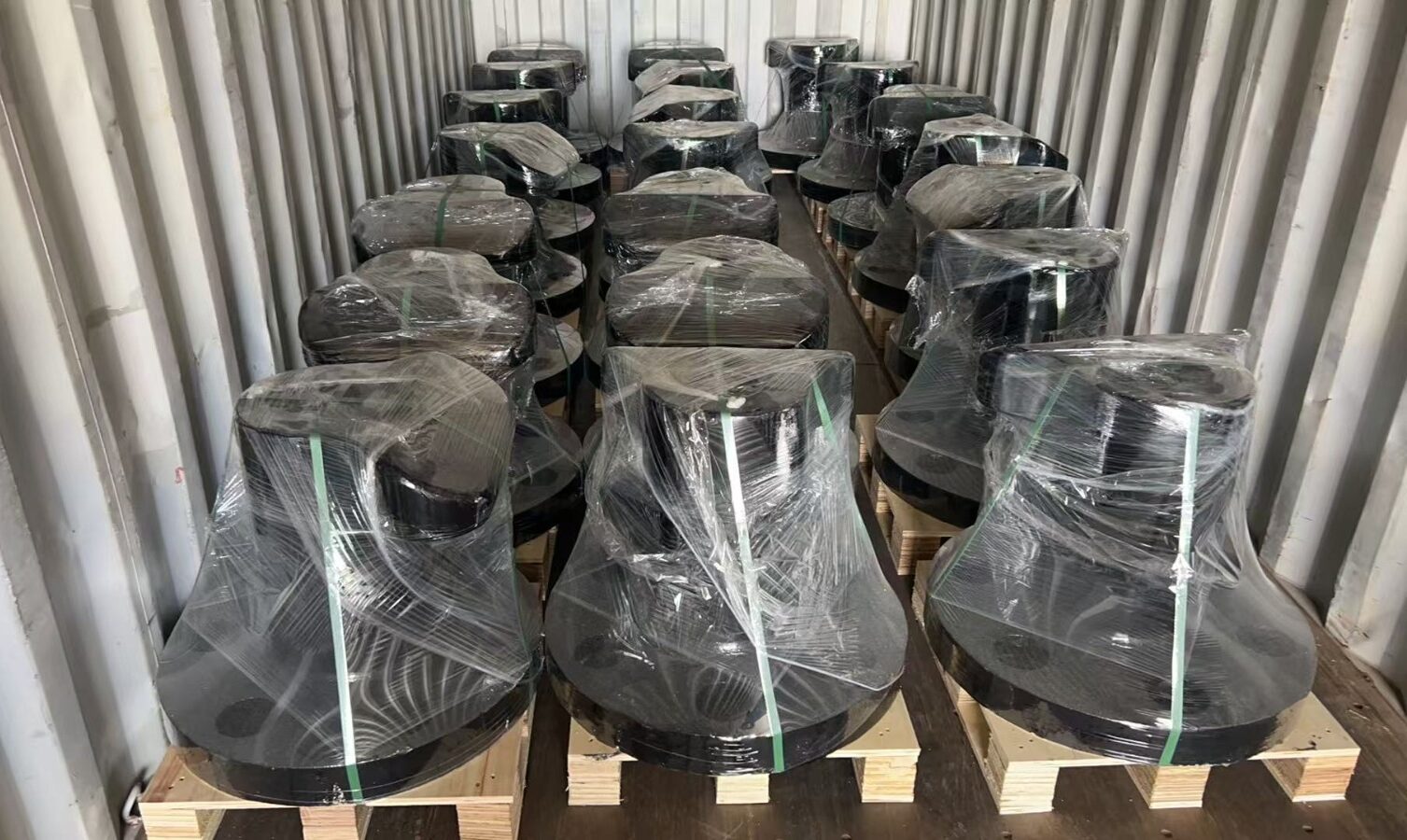
YT Marine recently supplied a combined order for a repeat customer in Australia.
The project included:
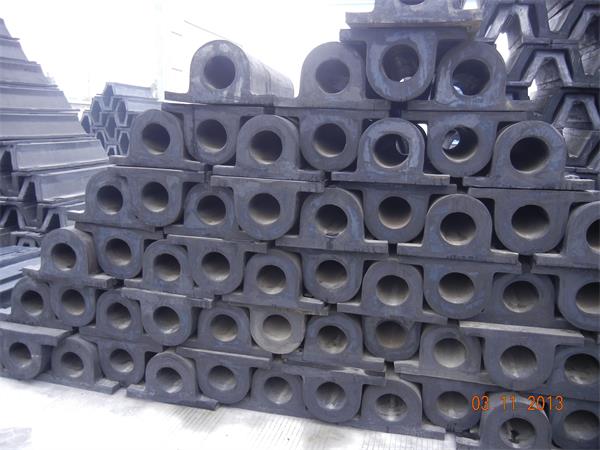
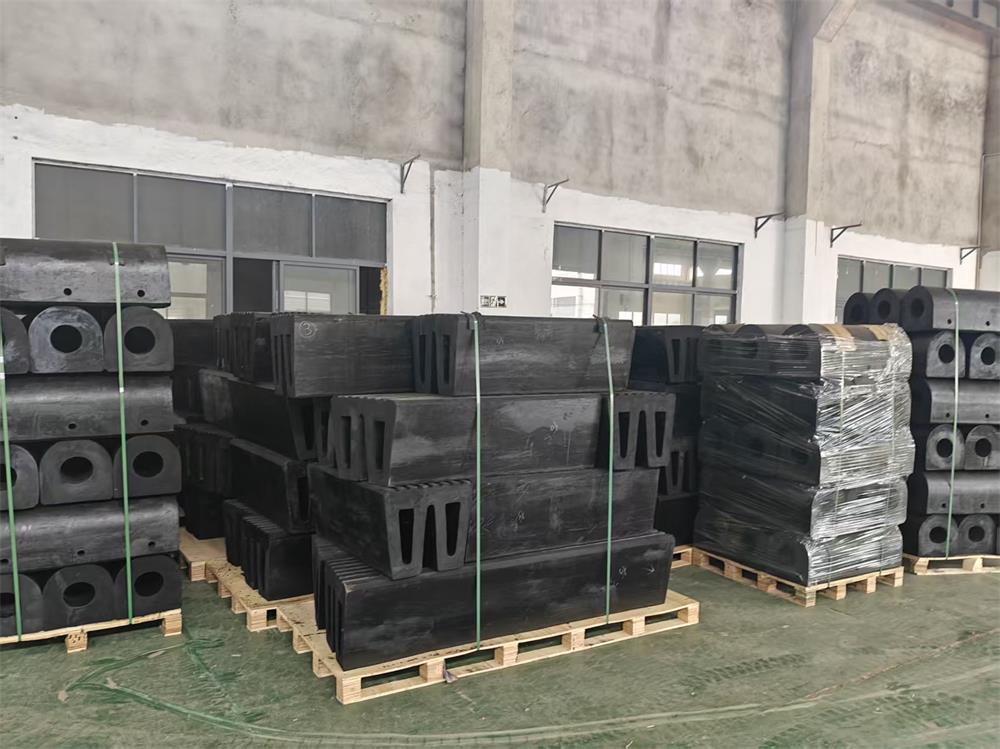
- D200 rubber fenders
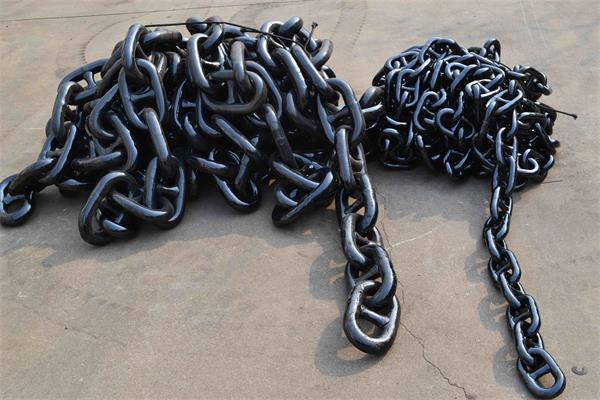
- 14 mm studless anchor chains
- 16 mm studless anchor chains
- Galvanized chain connectors
- 20-ton swivels
Rather than purchasing these components separately, the client sourced the products as part of a coordinated package.
Because the products were prepared within the same project scope, manufacturing, packing, and shipment arrangements could be coordinated together while ensuring compatibility between the supplied components.
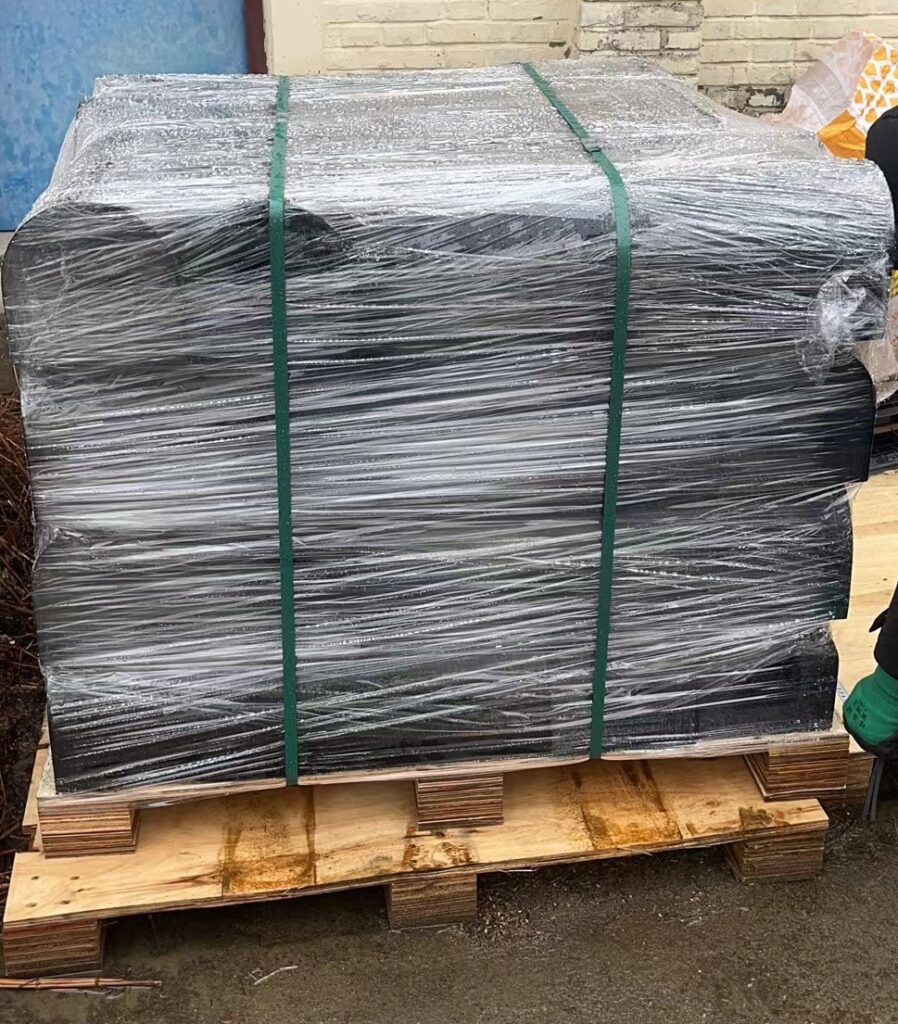
You can read the full D Rubber Fender, Anchor Chains and Swivels Project Case Study here.
Conclusion
Marine infrastructure projects rarely involve a single product category.
In addition to fenders, projects often require chains, connectors, swivels, and other hardware components that must function together as part of the same system.
By reviewing specifications collectively and coordinating procurement across multiple product categories, project teams can improve compatibility, simplify logistics, and reduce project complexity.
For many marine projects, successful delivery depends not only on selecting the right products, but also on ensuring that all components work together from the beginning.