Introduction
Shipyards operate in a demanding marine environment where vessels of various sizes frequently berth for inspection, maintenance, repair, and refurbishment. Unlike commercial container terminals that typically handle specific vessel categories, shipyards often accommodate tugboats, barges, offshore support vessels, fishing boats, and workboats.
These varying operational requirements demand a fender system that is durable, versatile, economical, and easy to maintain.
Among the many marine fender systems available today, cylindrical rubber fenders remain one of the most widely used solutions for shipyards worldwide. Their simple design, proven reliability, and cost-effective performance make them particularly suitable for repair berths, dry docks, floating docks, and marine service facilities.
In this article, we explore why cylindrical rubber fenders continue to be a preferred choice for shipyard applications and share a recent project supplied by YT Marine in Singapore.
What Are Cylindrical Rubber Fenders?
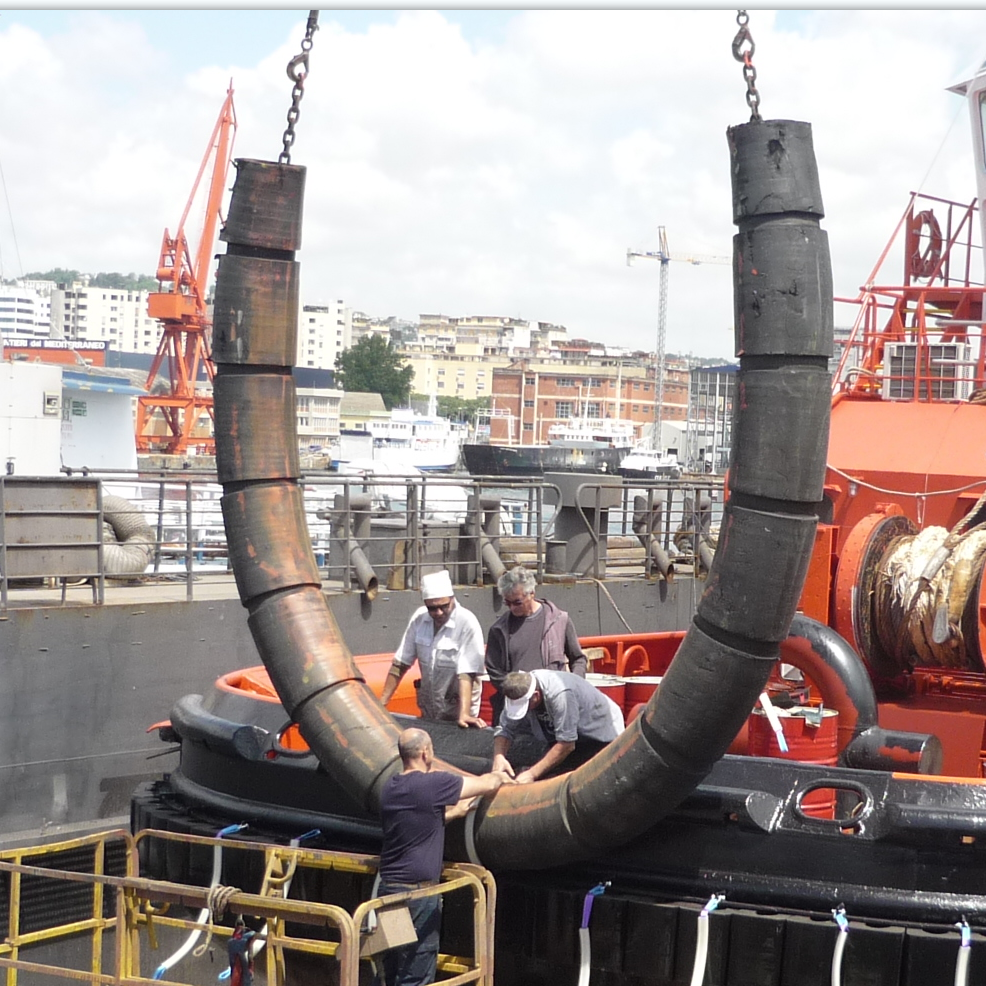
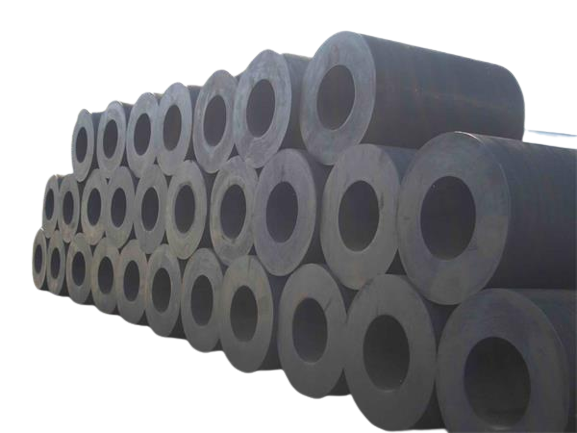
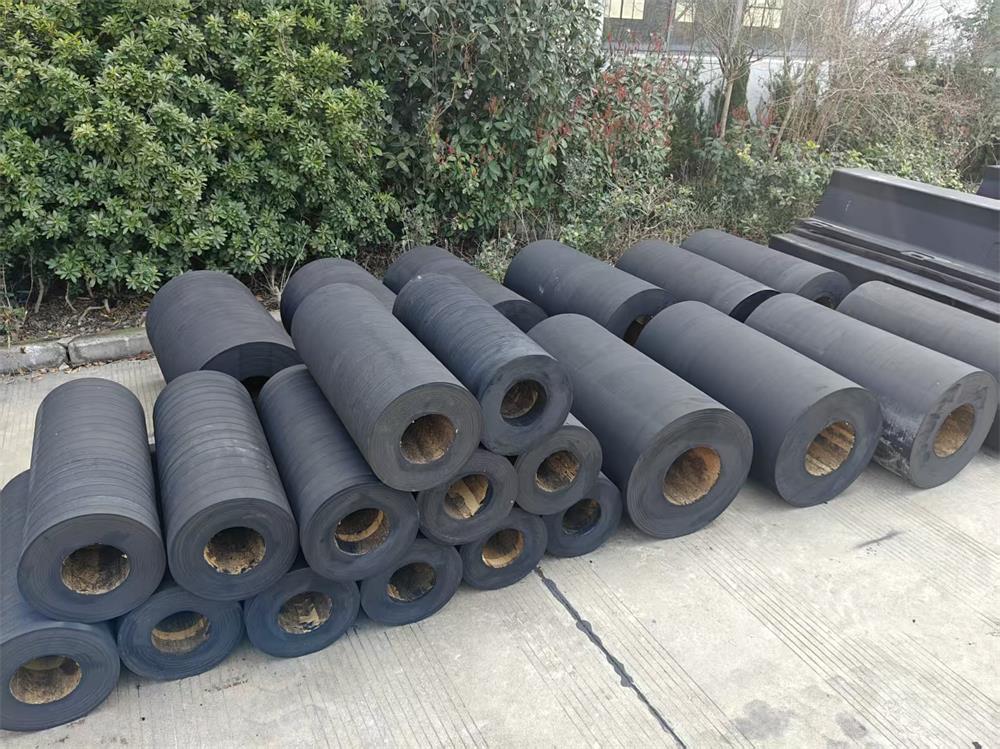
Cylindrical rubber fenders are among the oldest and most commonly used marine fender systems. Manufactured in a hollow cylindrical shape, they can be installed horizontally, vertically, or diagonally depending on the berth structure and operational requirements.
Compared with more advanced systems such as cone fenders and cell fenders, cylindrical fenders offer a straightforward and economical solution for applications requiring moderate energy absorption and reliable vessel protection.
Their flexibility and adaptability make them suitable for a wide range of marine facilities.
Why Shipyards Prefer Cylindrical Rubber Fenders
1. Cost-Effective Berthing Protection
Many shipyards require dependable vessel protection without the higher investment associated with large terminal fender systems.
Cylindrical rubber fenders provide an effective balance between performance, durability, and installation cost.
2. Suitable for Multiple Vessel Types
Shipyards frequently serve:
- Tugboats
- Barges
- Service vessels
- Fishing vessels
- Offshore support vessels
- Coastal cargo vessels
A single cylindrical fender system can often accommodate multiple vessel profiles without requiring different fender arrangements.
3. Easy Installation and Replacement
One of the most significant advantages of cylindrical fenders is their simple installation system.
When maintenance becomes necessary, individual units can usually be replaced quickly, reducing downtime and minimizing maintenance costs.
4. Proven Long-Term Reliability
Because cylindrical fenders have been used worldwide for decades, their performance characteristics are well understood by port engineers, shipyard operators, and marine contractors.
Common Shipyard Applications
Cylindrical rubber fenders are commonly installed in:
Ship Repair Berths
Repair berths experience frequent vessel movement during docking and maintenance activities. Cylindrical fenders provide reliable protection against accidental contact between vessels and quay structures.
Dry Docks
Dry dock entrances and sidewalls frequently utilize cylindrical fenders because of their durability and straightforward mounting requirements.
Floating Docks
Floating structures require flexible protection systems capable of accommodating movement caused by tides and vessel operations.
Tugboat Berths
Tugboats generate repeated contact loads during maneuvering. Cylindrical fenders help absorb impact energy while reducing structural wear.
Marine Service Facilities
Maintenance terminals and workboat bases often select cylindrical fenders because they provide dependable protection at a competitive cost.
Singapore Shipyard Project: Complete Cylindrical Fender System
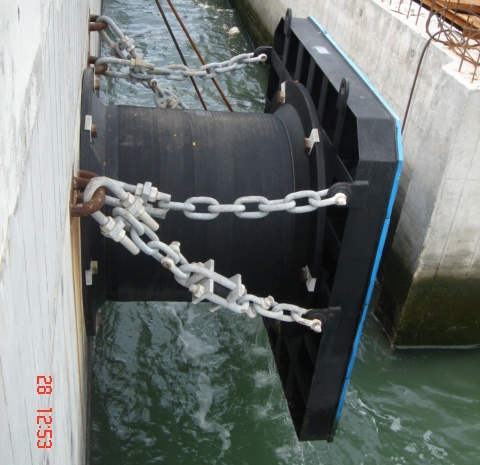
Recently, YT Marine completed a cylindrical rubber fender supply project for a shipyard customer in Singapore.
Unlike projects where only the rubber fenders are supplied, this order required a complete installation package including both the fender body and associated galvanized mounting hardware.
You can view the complete project details here:
Cylindrical Rubber Fenders & Galvanized Accessories for Singapore
Project Specifications
The supplied package included:
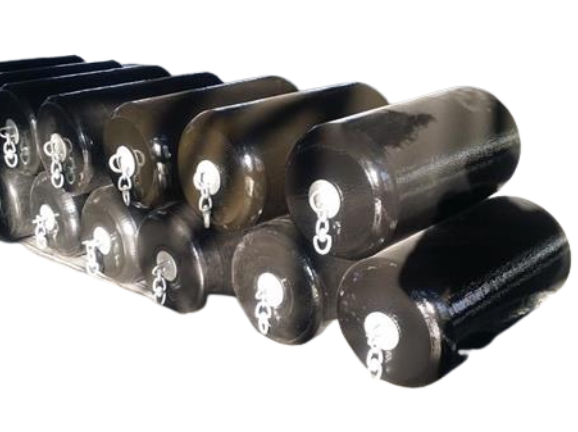
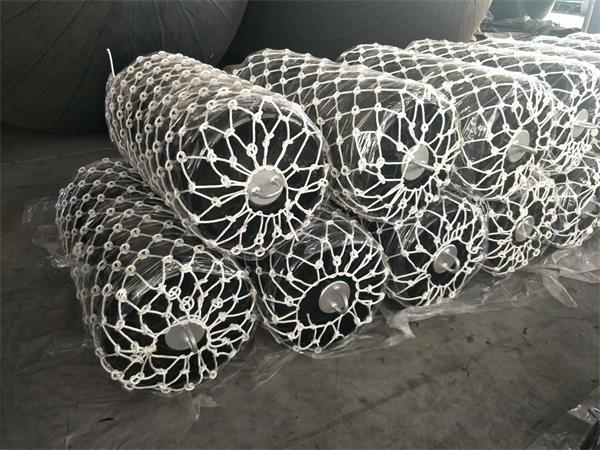
- Cylindrical Rubber Fender OD530 × ID250 × 1000 mm
- Cylindrical Rubber Fender OD300 × ID150 × 800 mm
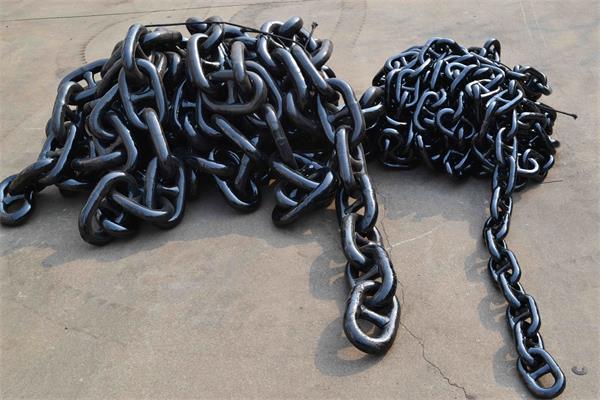
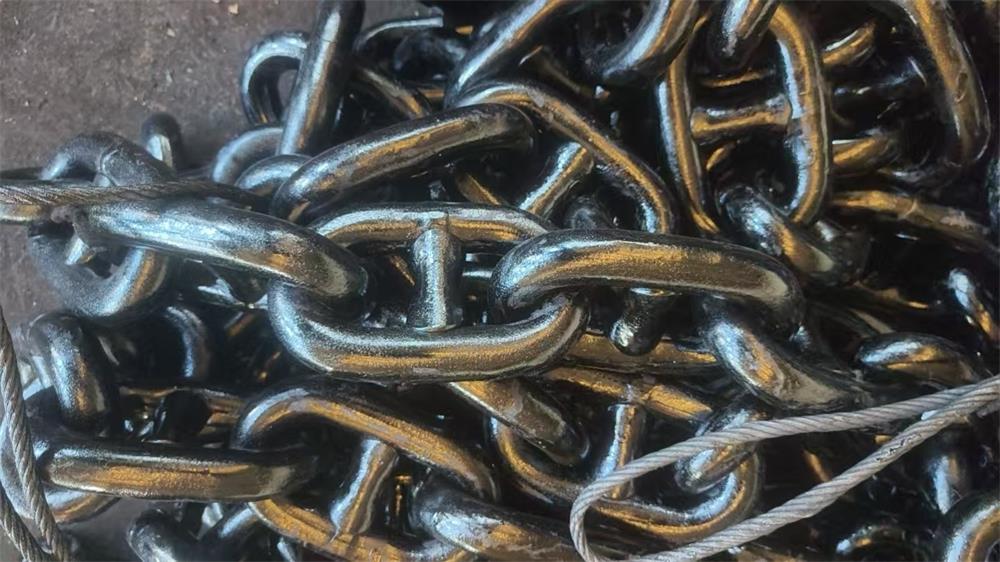
- Hot-Dip Galvanized Chains
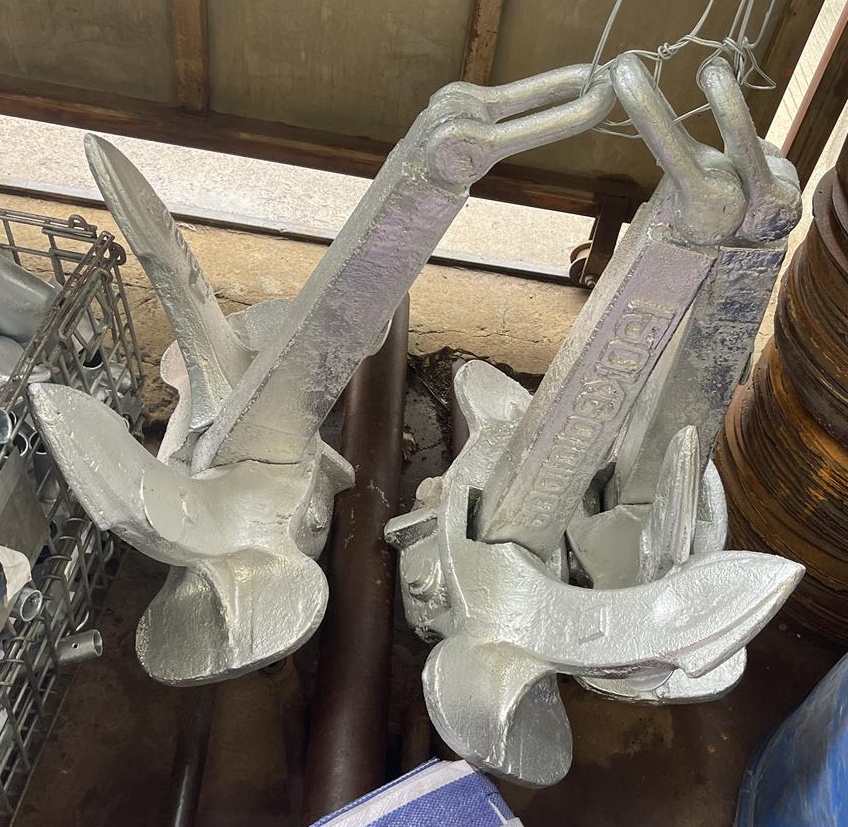
- Galvanized Dee Shackles
- Central Support Bars
- Associated Mounting Hardware
All components were manufactured according to approved drawings and supplied as a complete system to ensure compatibility during installation.
Why Cylindrical Fenders Were Selected
For this shipyard application, cylindrical fenders offered several important advantages:
- Suitable for daily vessel berthing operations
- Easy integration with existing berth structures
- Reliable long-term performance
- Low maintenance requirements
- Cost-effective lifecycle costs
The Importance of Installation Hardware
Many marine projects focus primarily on the rubber fender itself. However, installation hardware is equally important to the long-term performance of the system.
Galvanized chains, dee shackles, and support bars help:
- Maintain correct fender positioning
- Prevent excessive movement during vessel impact
- Improve load distribution
- Increase corrosion resistance
- Extend overall service life
For marine environments such as Singapore, where humidity and seawater exposure are constant factors, properly protected steel components are essential.
By supplying both the fenders and galvanized accessories as a complete package, the customer was able to simplify procurement, reduce installation risks, and improve long-term maintenance efficiency.


Key Considerations When Selecting Cylindrical Rubber Fenders
Before selecting a cylindrical rubber fender system, engineers should evaluate several factors:
Vessel Size and Displacement
Larger vessels generate greater berthing energy and may require larger fender diameters.
Berthing Frequency
Facilities with frequent vessel traffic often require more durable fender configurations.
Environmental Conditions
Tides, currents, wave conditions, and seawater exposure all influence long-term fender performance.
Berth Structure
Concrete quay walls, steel structures, floating docks, and timber berths may require different mounting arrangements.
Maintenance Requirements
Selecting quality rubber compounds and corrosion-resistant accessories can significantly reduce maintenance costs throughout the service life of the system.
Frequently Asked Questions
What are cylindrical rubber fenders used for?
Cylindrical rubber fenders are commonly used in shipyards, repair docks, tugboat berths, floating docks, and small commercial ports to protect vessels and marine structures during berthing operations.
How are cylindrical fenders installed?
They are typically installed using chains, support bars, brackets, anchor systems, and galvanized hardware designed according to project requirements.
Are galvanized chains necessary?
Yes. In marine environments, galvanized chains provide essential corrosion protection and help maintain long-term system reliability.
How long do cylindrical rubber fenders last?
Service life depends on operating conditions, rubber quality, installation design, and maintenance practices. Properly designed systems can remain in service for many years.
Can cylindrical fenders be used on floating docks?
Yes. Their flexibility and simple installation make them a popular choice for floating dock applications.
Conclusion
Despite the development of more advanced fender technologies, cylindrical rubber fenders remain one of the most trusted solutions for shipyard applications worldwide.
Their versatility, ease of installation, proven reliability, and cost-effectiveness continue to make them a preferred choice for repair berths, dry docks, floating docks, and marine service facilities.
As demonstrated by this recent Singapore shipyard project, combining high-quality cylindrical rubber fenders with properly designed galvanized chains, shackles, support bars, and mounting hardware can provide a complete and durable berthing protection solution for long-term marine operations.
Looking for a similar solution?
Explore our marine fender projects or contact our team to discuss your dock, shipyard or port protection requirements.