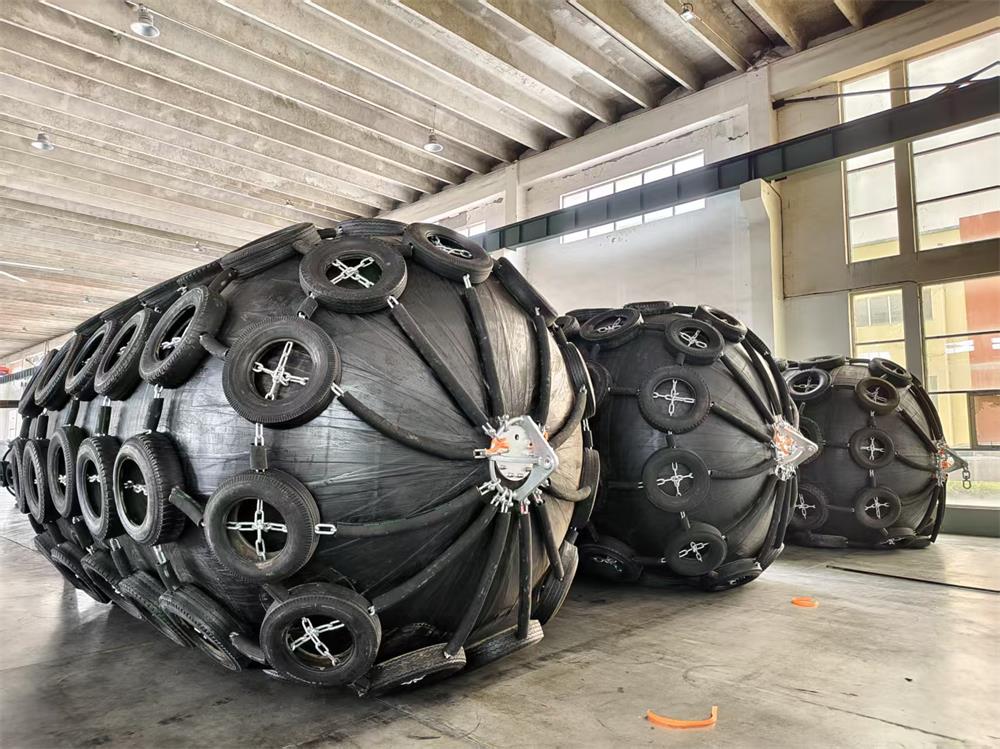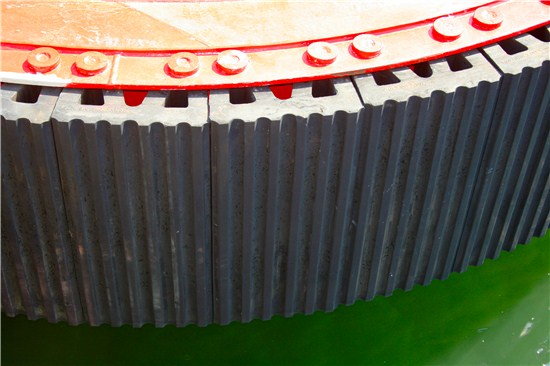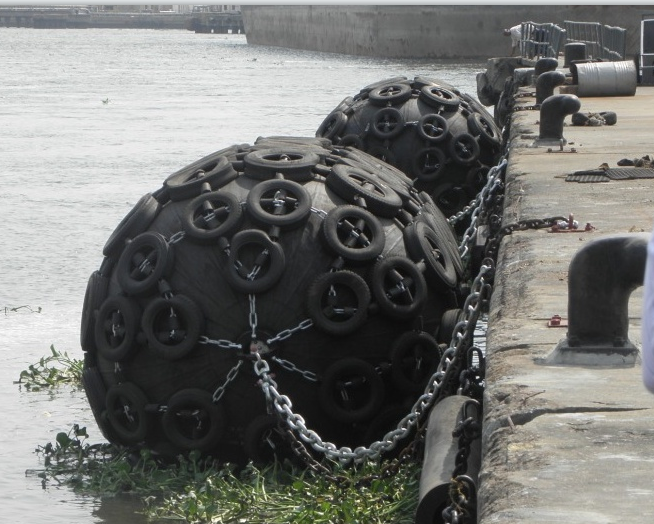
When specifying a pneumatic fender system, buyers often focus on the fender body itself. However, many installation and operational issues originate not from the fender, but from the hardware used to connect it.
Towing rings, shackles, swivels, chains and ropes may all satisfy their individual specifications, yet still fail to work together effectively within the same assembly.
For this reason, selecting standard marine hardware does not always guarantee a compatible pneumatic fender system. The relationship between components is often just as important as the components themselves.
A Pneumatic Fender Is a Complete System
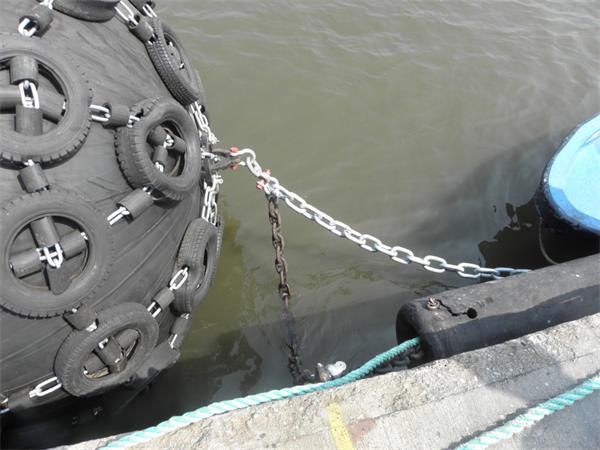
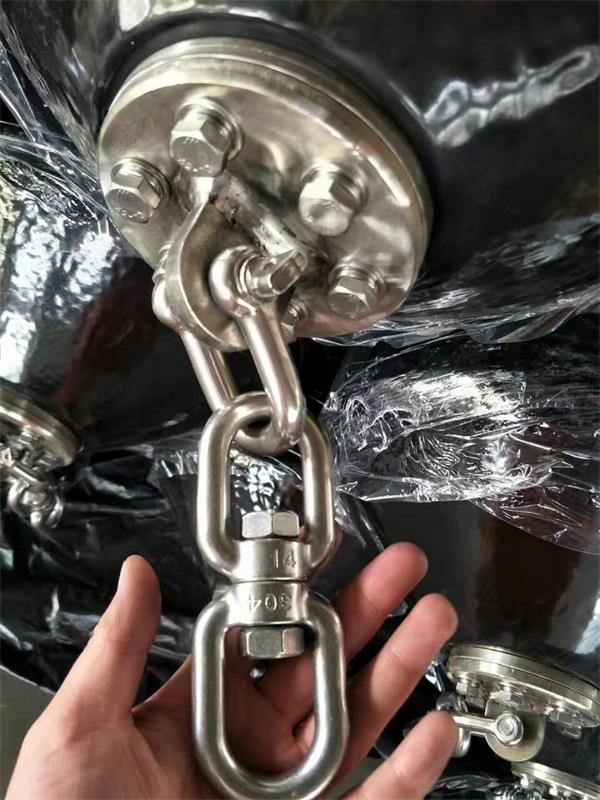
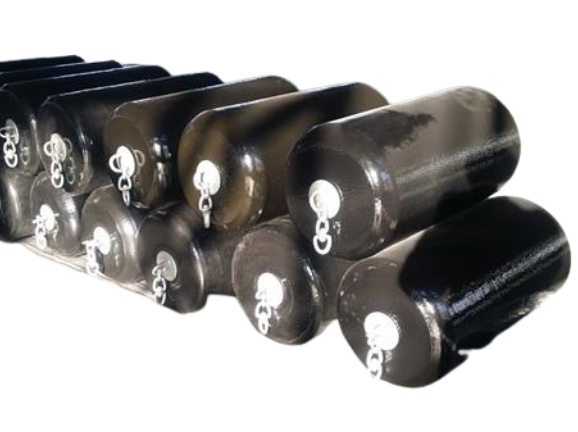
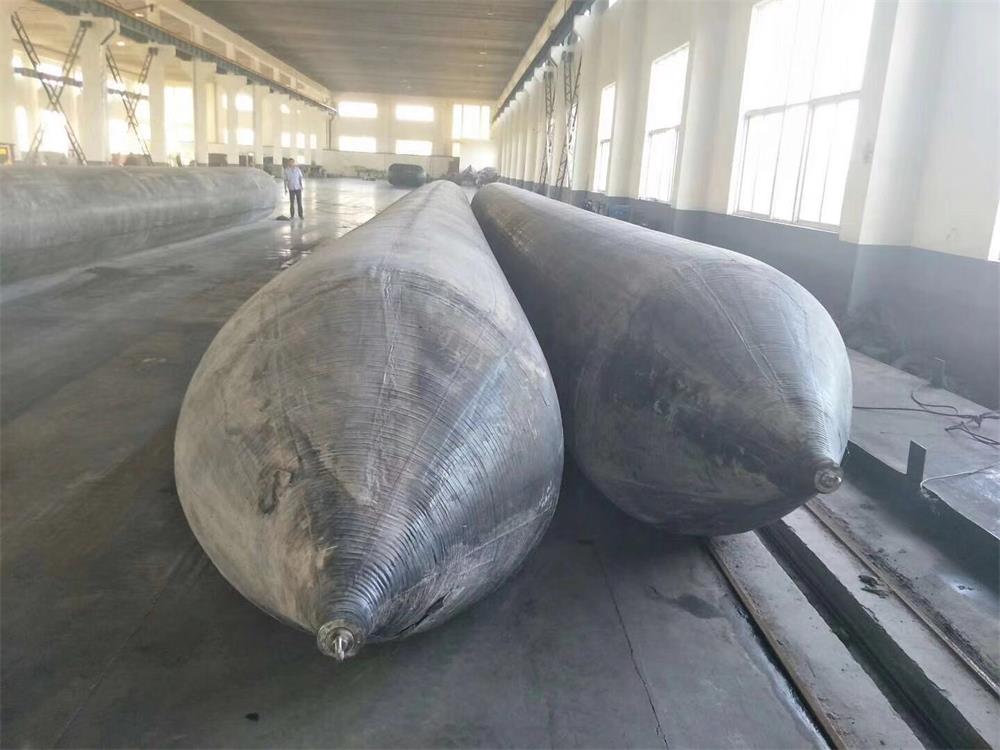
A pneumatic fender is rarely installed as a standalone product.
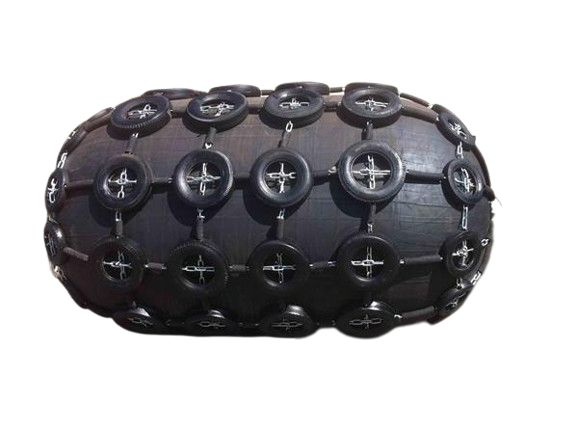
In most applications, it forms part of a larger mooring and protection arrangement that may include:
- Towing rings
- Shackles
- Swivels
- Mooring chains
- Mooring ropes
- Chain nets or tire nets
Each component performs a different function, but all must connect correctly for the system to operate safely and reliably.
A problem at a single connection point can affect the performance of the entire assembly.
This is why experienced project teams evaluate the complete connection system rather than selecting hardware components individually.
Why Standard Components Sometimes Create Compatibility Issues
A common assumption is that if every component satisfies its own specification, the assembly will function properly.
In practice, compatibility problems often arise when components are selected independently without considering how they will connect to one another.
For example:
- A shackle pin may be too large for the towing ring hole.
- A swivel may not provide sufficient clearance for movement.
- A chain connection may interfere with nearby hardware.
- Different working load ratings may create weak points within the assembly.
Although each component may be technically correct, the complete system may still create installation difficulties or operational limitations.
This is one reason why standard marine hardware does not always work together without additional review or customization.
Compatibility Problems Often Appear During Installation
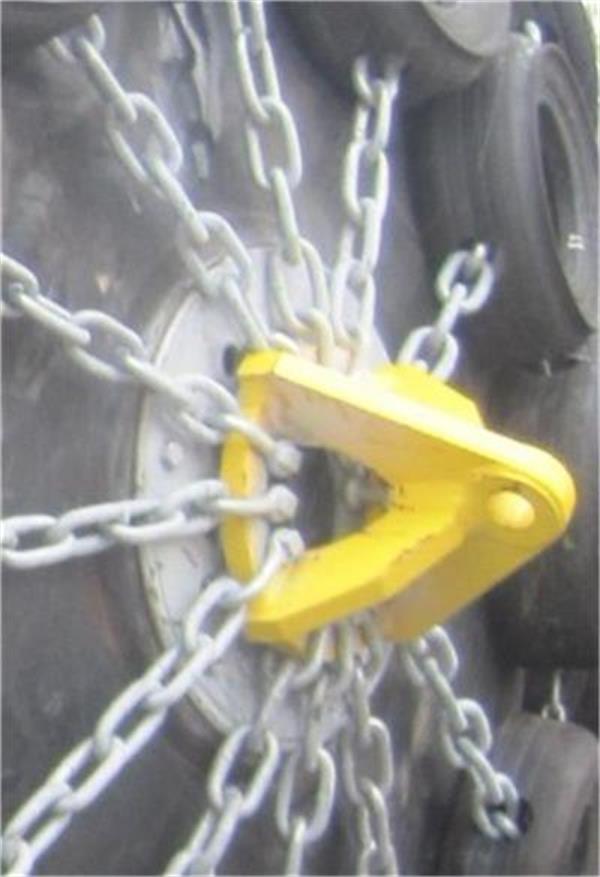
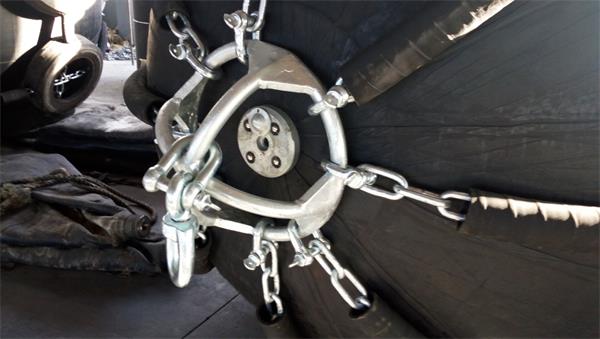
Many compatibility issues are not discovered during procurement but during installation.
A towing ring may match the approved drawing, yet still require modification if the connected shackle, swivel or chain dimensions were not reviewed together.
Similarly, hardware that appears suitable on paper may become difficult to assemble when installation space is limited or when component movement has not been considered.
For this reason, reviewing the complete connection arrangement before manufacturing is often more effective than checking each component separately.
Common Compatibility Issues
Several issues appear repeatedly in pneumatic fender projects.
Dimensional Mismatch
The most common problem involves mismatched dimensions between connected components.
Pin diameters, hole sizes, opening widths and connection clearances should always be reviewed together rather than independently.
Installation Constraints
Even correctly sized hardware may become difficult to install if surrounding structures provide limited access or insufficient clearance.
Installation conditions should therefore be evaluated alongside dimensional requirements.
Movement Restrictions
Pneumatic fenders are exposed to continuous movement caused by waves, tides and vessel motion.
If swivels or connecting hardware cannot rotate freely, excessive stress may be transferred to chains, ropes or fittings.
Load Distribution
The connection system should be designed so that loads are transferred smoothly throughout the assembly.
Selecting components with inconsistent load capacities can reduce overall system reliability.
Why Custom End Fittings Are Often Required
Many marine hardware components are available in standard sizes, but pneumatic fender projects frequently require customized dimensions.
The reason is simple: every connection arrangement is different.
Factors influencing end fitting design may include:
- Fender size
- Fender type
- Connection layout
- Chain dimensions
- Shackle specifications
- Structural limitations
- Installation methods
As a result, towing rings and other end fitting components are often manufactured according to project drawings rather than selected directly from a standard catalogue.
Project Case: Custom F.C.1 Towing Ring for a Sling Type Pneumatic Fender
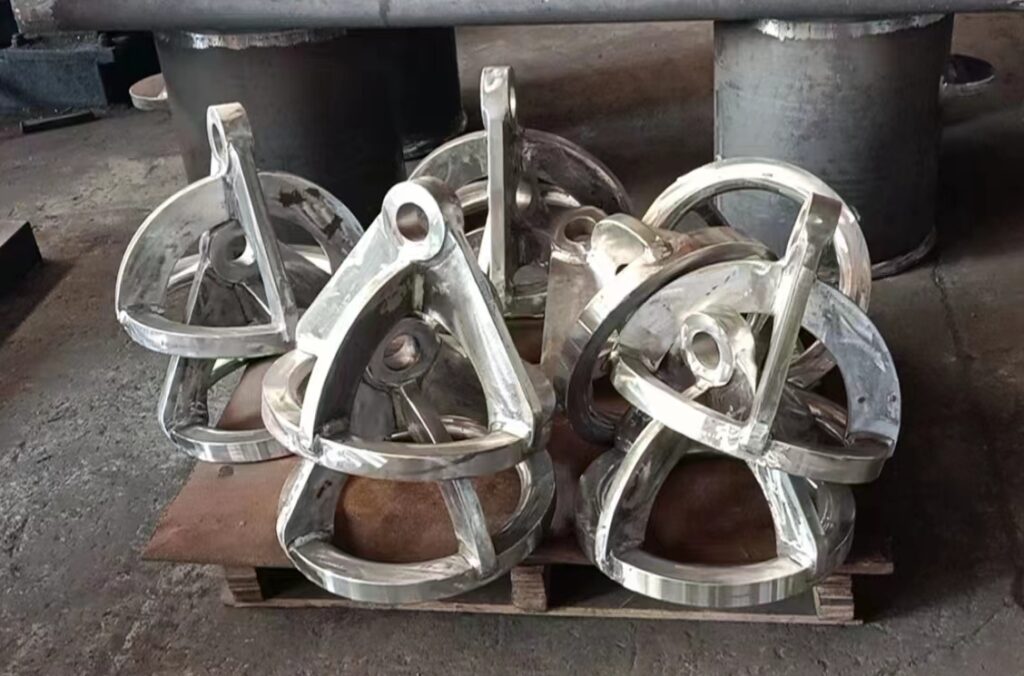
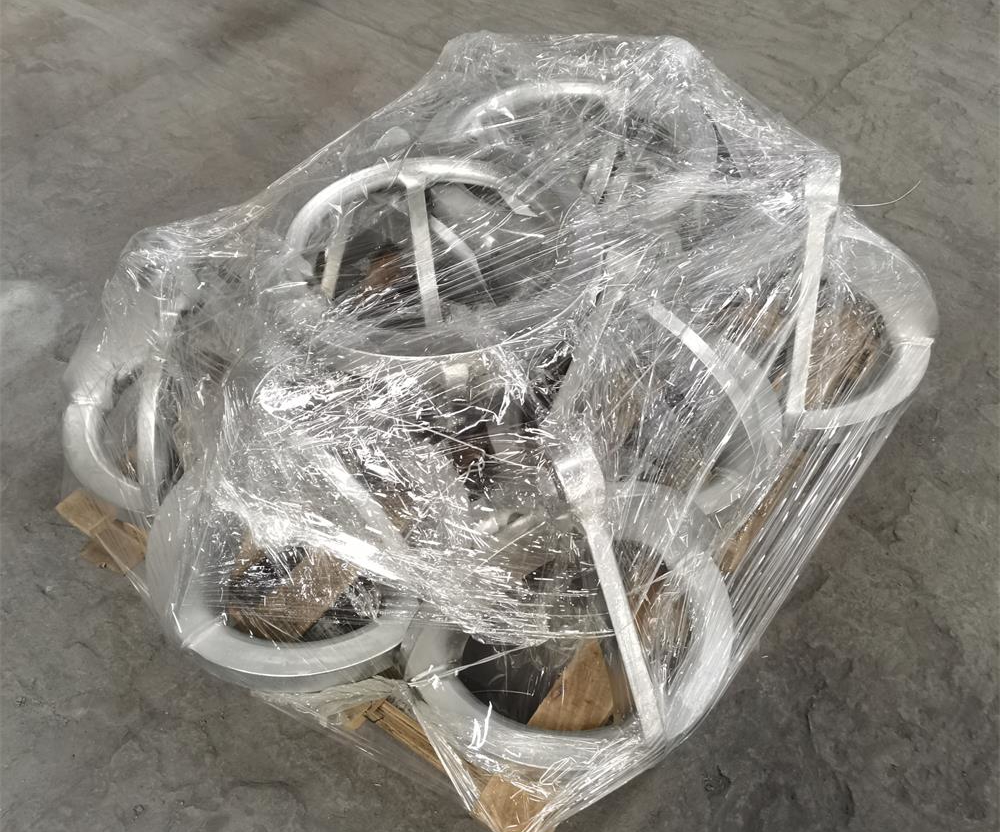
A recent project involved the manufacture of a custom F.C.1 towing ring for a sling type pneumatic fender.
The customer supplied detailed drawings to ensure compatibility with an existing pneumatic fender connection arrangement. The towing ring was manufactured according to the specified dimensions and designed to integrate with the associated shackles, swivels, mooring chains and ropes used within the system.
The towing ring was customized not because the design was unique, but because it needed to match the dimensions and connection requirements of the surrounding hardware.
This project demonstrates a common challenge in pneumatic fender installations: standard marine hardware may satisfy individual specifications, but compatibility between components often determines whether the system can be assembled and operated successfully.
Please find the project here: https://ytmarinefender.com/project/towing-ring-for-sling-type-of-fender/
Information to Prepare Before Ordering End Fittings
To improve quotation accuracy and reduce compatibility issues, buyers are encouraged to provide:
- Technical drawings
- Fender type and size
- Connection layout
- Working load requirements
- Existing hardware dimensions
- Material requirements
- Surface treatment requirements
- Quantity
Providing complete information early in the project helps manufacturers evaluate the entire connection system rather than individual components alone.
Conclusion
In pneumatic fender systems, towing rings, shackles, swivels and chains should be viewed as interconnected parts of a complete assembly rather than independent hardware items.
While many marine hardware components are available in standard sizes, successful installations often depend on how well those components fit together within the overall connection arrangement.
By reviewing compatibility, dimensions and load requirements before manufacturing, project owners can reduce installation problems, improve reliability and avoid costly modifications after delivery.